
Airbag suspension systems use airbags (or air springs) to absorb shocks and maintain a smooth, stable ride, often found in trucks, SUVs, and luxury cars. If your vehicle’s ride quality is declining or you notice uneven height, it might be time for a car suspension repair in Monfort Heights, OH to ensure safety and performance remain optimal.
However, like all vehicle components, they can develop issues, such as holes or tears in the airbag.
In this guide, we’ll walk you through repairing a hole in your airbag suspension, including how to identify the issue, what materials are needed, and the steps to fix it.
How to repair a hole in airbag suspension?
Repairing a hole in an airbag suspension requires locating the leak and using a specific repair kit. In some cases, replacement might be necessary if the damage is too extensive to fix with a patch.
Key Takeaways
- A hole in your airbag suspension system can lead to air loss, affecting the performance of your vehicle.
- Repairing a hole in an airbag requires identifying the damage, cleaning the area, and applying the appropriate repair patch or adhesive.
- It’s important to perform regular maintenance on airbag suspension systems to prevent issues before they arise.
What Is an Airbag Suspension System?
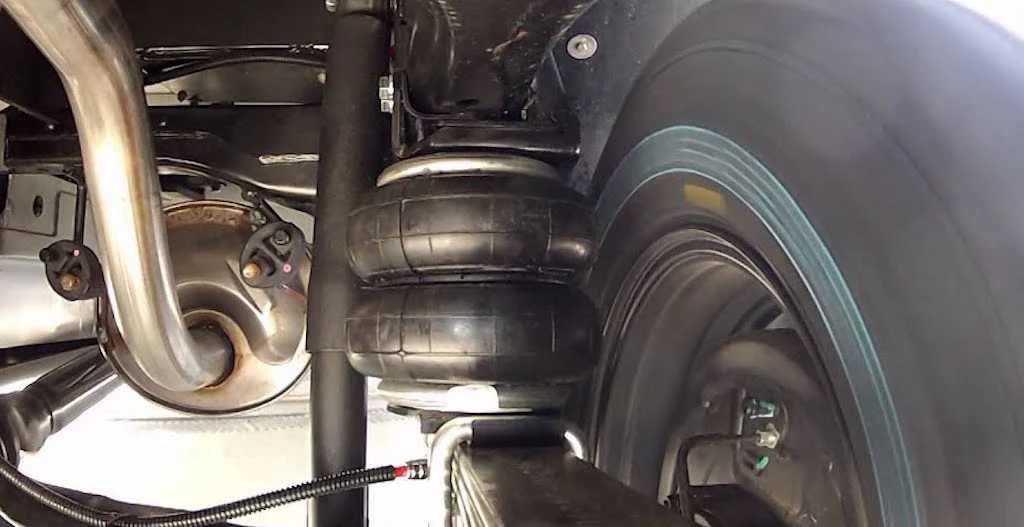
Before we dive into the repair process, it’s important to understand what an airbag suspension system is and how it works.
Airbag suspension, also known as air spring suspension, is a type of suspension system that uses air-filled bags instead of traditional steel springs to support the weight of the vehicle.
The system works by pumping air into the airbags, which expands to support the vehicle’s weight and absorb shocks.
The amount of air in the bags can be adjusted to change the ride height and improve handling.
However, over time, these airbags can develop issues such as tears, punctures, or leaks that can lead to a loss of air pressure and a rough ride. Driving with a leaking shock absorber can further worsen the situation, reducing your vehicle’s stability and increasing braking distances, especially on uneven or rough terrain. It’s essential to address these issues promptly to maintain ride quality and ensure safety.
Common Causes of Holes in Airbag Suspension
Holes or tears in the airbag suspension can be caused by a variety of factors, including:
- Wear and Tear: Over time, the airbags can become brittle or cracked due to constant inflation and deflation.
- Debris: Sharp objects like rocks or sticks on the road can puncture the airbag if they come into contact with the system.
- Improper Installation: If the airbag suspension system was not installed correctly, it may be more prone to damage.
- Age of the Vehicle: Older vehicles may have airbag suspension systems that are more susceptible to damage due to the age of the rubber or materials.
Step-by-Step Guide: How to Repair a Hole in Airbag Suspension
If you’ve identified a hole or tear in your airbag suspension, it’s possible to repair it yourself with the right tools and materials. Here’s a step-by-step guide to help you through the process:
Step 1: Locate the Damage
The first step in repairing a hole in your airbag suspension is to locate the source of the air leak. This can be tricky, especially if the hole is small. Here’s how you can identify the damage:
Listen for Air Leaks: One of the easiest ways to find the leak is to listen for the sound of air escaping. You may hear a hissing noise coming from the airbag if it’s leaking.
Use Soapy Water: Spray soapy water over the surface of the airbag while the system is pressurized. Look for bubbles forming, which will indicate the location of the hole.
Visual Inspection: Inspect the airbag for visible signs of damage, such as cracks, punctures, or worn areas. You may need to remove the airbag from the vehicle for a thorough inspection.
Step 2: Deflate the Airbag
Before making any repairs, it’s important to safely deflate the airbag to avoid injury. Follow these steps to deflate the airbag:
Turn off the Vehicle: Ensure that the vehicle is turned off and the key is removed from the ignition.
Release the Air Pressure: If your airbag suspension system has an air compressor, use the release valve to slowly let out the air. If the airbag does not have a release valve, disconnect the air supply line from the airbag to relieve the pressure.
Step 3: Clean the Area Around the Hole
Once the airbag is deflated, clean the area around the hole thoroughly. This ensures that the repair will adhere properly to the surface of the airbag.
Use a mild soap solution and a cloth to remove dirt, grease, and debris. Dry the area completely before proceeding.
Step 4: Apply the Repair Patch or Adhesive
Now that the area is clean and dry, it’s time to apply the repair patch or adhesive. There are several methods you can use, depending on the size and location of the hole.
Repair Patch: For small holes, you can use a rubber repair patch designed specifically for airbag suspension systems. Cut the patch to fit over the hole, and apply it according to the manufacturer’s instructions.
Adhesive: If the hole is larger or the damage is more extensive, you may need to use a high-strength adhesive or rubber sealant to seal the hole.
Apply the adhesive generously to the damaged area, ensuring that the entire hole is covered. Smooth the adhesive with a spatula or similar tool to create an even surface.
Step 5: Allow the Repair to Cure
After applying the repair patch or adhesive, allow it to cure for the recommended amount of time.
Curing times can vary depending on the product you’re using, but generally, you should allow at least 24 hours for the adhesive or patch to fully set.
Tip: Check the manufacturer’s instructions for the specific curing time of the product you’ve used. Rushing the curing process can result in a weaker repair.
Step 6: Reinflate the Airbag
Once the repair has cured, it’s time to reinflate the airbag. Use the air compressor to gradually fill the airbag with air, checking for any signs of leakage during the inflation process.
If you notice any air escaping, you may need to reapply the adhesive or patch and allow it to cure for a longer period.
Step 7: Test the Suspension System
After the airbag is reinflated, test the suspension system to ensure it’s functioning properly.
You can do this by driving the vehicle and observing the ride quality. If the system feels smooth and stable, the repair was successful.
Preventing Future Damage to Your Airbag Suspension

To avoid future issues with your airbag suspension, here are a few preventative measures you can take:
1. Regular Inspections
Perform regular inspections of your airbag suspension system, looking for signs of wear, cracks, or punctures. Catching issues early can prevent more serious damage down the road.
2. Avoid Sharp Objects
Be cautious of sharp objects such as rocks, debris, or branches that could damage the airbag. Driving on rough or uneven terrain can also increase the likelihood of damage.
3. Proper Maintenance
Ensure your airbag suspension system is properly maintained.
Regularly check the air pressure, the condition of the air compressor, and other components of the system to ensure everything is working properly.
When to Seek Professional Help
While repairing a small hole in an airbag suspension can often be a DIY task, some situations require professional assistance.
If the damage is extensive, if the airbag is severely worn, or if you are unsure about performing the repair yourself, it’s best to consult with a professional mechanic who specialises in suspension systems.
Professional repair services can ensure that the job is done correctly and safely, preventing further damage to your vehicle.
Frequently Asked Questions
1. Can I drive with a hole in my airbag suspension?
It’s not recommended to drive with a hole in your airbag suspension. A hole can cause a loss of air pressure, resulting in a bumpy ride and potential damage to the system.
2. How long will a repair to the airbag suspension last?
If done correctly, a repair can last for several months or even years. However, it’s important to regularly inspect the system and perform maintenance to ensure its longevity. Understanding how long the suspension lasts on a car is crucial—typically, suspension components can last anywhere from 50,000 to 100,000 miles, depending on driving conditions, vehicle type, and maintenance habits. Regular check-ups can help catch wear and tear early and extend the life of your suspension system.
3. Can I replace the airbag suspension myself?
Replacing the entire airbag suspension system is a complex task that typically requires professional help. It’s best to consult with a mechanic to ensure proper installation.
Conclusion
Repairing a hole in your airbag suspension system can be done at home with the right materials and techniques.
By following the proper steps, you can restore the functionality of your suspension and ensure your vehicle rides smoothly.
If the damage is too severe or if you’re unsure about the repair process, don’t hesitate to seek help from a professional.
Regular maintenance and timely repairs will help extend the life of your airbag suspension system and ensure your safety on the road.
