Understanding your car’s suspension system is key to ensuring a smooth ride and safety. Suspension types vary by make, model, and intended use.
Whether you’re facing ride quality issues, considering modifications, or just want to know more about your vehicle, this guide will help you identify the type of suspension system in your car.
What type of suspension does my car have?
To find out what type of suspension your car has, check the owner’s manual or ask a mechanic. Most cars use either independent suspension, multi-link, or solid axle systems depending on the make and model.
Key Takeaways
- The suspension system plays a critical role in handling, comfort, and vehicle safety.
- Cars generally use either a coil spring, leaf spring, or air suspension system.
- Knowing the type of suspension helps you maintain the vehicle effectively and identify potential problems.
What is a Car Suspension System?
Before we dive into the specifics of different suspension types, it’s important to understand what the suspension system actually does—just like how understanding exhaust system repair in Erlanger, KY helps drivers make better maintenance decisions.
A car suspension system is a collection of components that connects the vehicle to its wheels, shock absorber, and helps maintain stability while driving.
The suspension system is responsible for providing a comfortable ride by absorbing bumps, uneven surfaces, and vibrations while also ensuring that the car’s wheels remain in contact with the road.
Why is the Suspension System Important?
The suspension system impacts several aspects of vehicle performance, including:
Ride Quality: It ensures a smooth ride by absorbing shocks and reducing the effects of bumps or potholes.
Handling and Steering: A well-functioning suspension system ensures that your car handles correctly, maintaining control and stability, especially during turns and at high speeds.
Safety: A properly maintained suspension system contributes to effective braking and prevents uneven tire wear, helping you avoid accidents caused by loss of control.
Common Types of Car Suspension Systems
The most common suspension systems you’ll find in cars are coil spring suspension, leaf spring suspension, and air suspension. Let’s take a closer look at each one.
1. Coil Spring Suspension
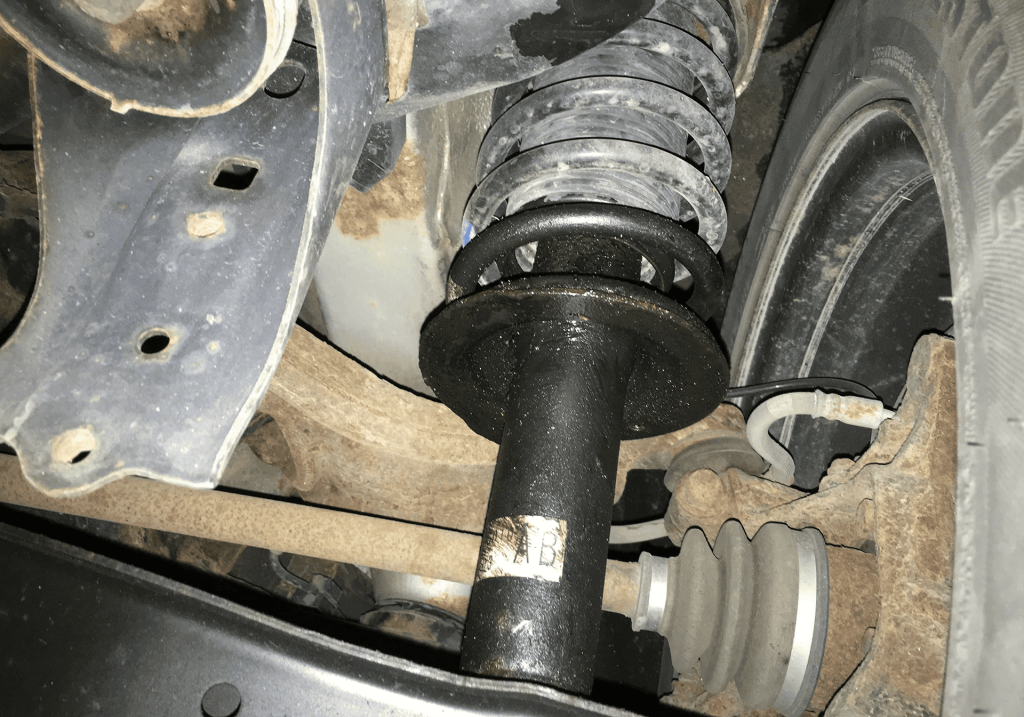
Coil spring suspension systems are the most widely used in modern vehicles, offering excellent comfort and handling.
These systems use coil springs to support the weight of the vehicle and absorb shocks from the road.
How It Works: The coil springs are typically placed between the frame of the vehicle and the wheel axle.
As the wheels move over bumps or dips in the road, the springs compress and expand, absorbing the impact.
Advantages: Coil spring suspension systems are known for their ability to absorb shocks effectively, providing a smooth and comfortable ride. They are also durable and easy to maintain.
Common Applications: Most passenger cars, SUVs, and light trucks use coil spring suspension systems. They are particularly popular in vehicles that prioritize comfort and ride quality.
2. Leaf Spring Suspension
Leaf spring suspension systems use long, flat springs made of steel that are stacked on top of each other. This system is typically found in older vehicles or heavy-duty trucks and SUVs.
How It Works: The leaf springs are mounted above or below the axle, and when the vehicle goes over bumps or uneven surfaces, the springs flex to absorb the shock.
The design is simple, and the springs provide support for the vehicle’s weight.
Advantages: Leaf springs are known for their strength and durability, making them ideal for heavy vehicles or commercial trucks that carry heavy loads.
Common Applications: Leaf spring systems are often used in commercial vehicles, larger trucks, and older vehicles.
They are also found in off-road vehicles where durability is more important than ride comfort.
3. Air Suspension
Air suspension systems use air-filled bags instead of metal springs to support the vehicle.
This type of system allows for adjustable ride height and is typically found in higher-end vehicles or vehicles designed for specific uses, such as luxury cars and some off-road vehicles.
How It Works: Air suspension systems use an air compressor to inflate and deflate air bags that are placed between the frame and the axle.
The air pressure can be adjusted, allowing for a customizable ride height and improved ride quality.
Advantages: Air suspension systems provide a smooth and adjustable ride.
They also allow the vehicle’s ride height to be raised or lowered depending on driving conditions, such as for off-road driving or loading cargo.
Common Applications: Air suspension is commonly used in luxury vehicles, high-end SUVs, and some trucks. It’s also used in commercial vehicles where adjustable ride height is necessary.
How to Identify the Type of Suspension in Your Car

Identifying the type of suspension in your vehicle is essential for troubleshooting problems, choosing the right replacement parts, or making upgrades.
Here’s how you can determine what suspension system your car uses:
1. Check the Owner’s Manual
Your car’s owner’s manual is the easiest and most reliable source for information about the type of suspension system in your vehicle.
It will usually include details about the suspension setup, including whether it’s coil spring, leaf spring, or air suspension.
2. Inspect the Vehicle
If you can’t find the information in your owner’s manual, you can also check your car physically. Look at the vehicle suspension components near the wheels. For example:
Frequently Asked Questions
1. How do I know if my car has air suspension?
Air suspension systems typically feature airbags instead of traditional metal springs. You might also notice adjustable ride height controls in your vehicle.
2. Can I upgrade my car’s suspension system?
Yes, upgrading your car’s suspension system is possible. You can switch from a traditional coil spring system to an air suspension system for a smoother ride, but this may require professional installation.
3. How often should I replace my suspension?
It depends on the type of suspension system and how much wear it has endured. Generally, you should have your suspension checked every 50,000 to 100,000 miles.
Conclusion
Understanding what type of suspension your car has is important for maintaining vehicle performance and handling.
Whether it’s a coil spring system for comfort, a leaf spring system for strength, or an air suspension system for adjustability, each type has its own benefits.
Regular maintenance and timely repairs are crucial for ensuring your car’s suspension system remains in good working order.
