
After rotating your tires, it’s common for the tire pressure monitoring system (TPMS) light to stay on, even if your tire pressure is fine.
This usually means the system needs a reset. In this guide, we’ll show you how to reset your TPMS sensor after a tire rotation, so you can get the system working correctly again and protect your tire lifeline.
How to reset tire sensors after rotation?
After a tire rotation, you can reset the tire sensors by following your vehicle’s manual. Generally, it involves driving at a steady speed or using the reset button on the dashboard.
Key Takeaways
- After rotating your tires, the TPMS may need to be reset to ensure that the system accurately monitors the pressure in each tire.
- Some vehicles allow you to reset the system manually, while others require a tool or professional help.
- Regular tire maintenance and timely resets can help avoid issues with your TPMS system.
Understanding Tire Pressure Monitoring System (TPMS)

Before diving into how to reset your tire sensors, it’s important to understand how the TPMS works.
TPMS is a system that monitors the air pressure in your tires. It alerts you if the pressure falls below a certain threshold.
This is crucial for safety, as underinflated tires can cause poor handling, reduced fuel efficiency, and even tire blowouts.
When you rotate your tires, the system may still “remember” the previous position of the sensors.
As a result, it might trigger the warning light, since the sensors are now in different positions. Resetting the TPMS ensures that the system can properly track the new tire positions.
Why Does the TPMS Light Come On After Rotating Tires?
The TPMS light coming on after rotating your tires is not necessarily an indication of a problem.
The reason for the light is that the sensor system needs to recalibrate to the new positions of the tires.
Each tire has a sensor that tracks its individual pressure, and rotating the tires changes the sensor locations.
Here’s why it happens:
Sensor Recalibration: The system is designed to alert you if a tire has low tire pressure. After rotation, it needs to reassess the position of each sensor to match the correct tire.
Different Pressure Thresholds: When the sensors are moved, the system may not know which sensor is associated with which tire.
Resetting the system helps the car “learn” the new locations. For more advanced vehicle safety systems, such as ADAS Calibration Monfort Heights, recalibration ensures cameras and sensors work as intended.
How to Reset Tire Sensors After a Tire Rotation
Resetting the tire sensors can usually be done without any special tools, but it depends on the make and model of your vehicle.
Below are the common methods to reset the tire sensors after a tire rotation.
Using the TPMS Reset Button
Some vehicles have a TPMS reset button located near the steering wheel, under the dashboard, or inside the glove compartment.
This button allows you to manually reset the system after tire rotation.
Step-by-Step:
- Turn your vehicle to the “on” position without starting the engine.
- Locate the TPMS reset button. It’s often marked with the letters “TPMS.”
- Press and hold the reset button until the TPMS light blinks three times, then release it.
- Start the car and drive for about 10-15 minutes at a speed of at least 30 mph. The system should recalibrate itself during this time.
Using the Car’s Menu Settings
For newer cars, you may be able to reset the TPMS through the car’s menu or dashboard settings.
Step-by-Step:
- Turn the car’s ignition to the “on” position without starting the engine.
- Navigate to the vehicle’s menu or settings on the dashboard display.
- Find the option to reset the TPMS. This option is often located under “Vehicle Settings” or “Tire Settings.”
- Follow the prompts to reset the system.
- Once the reset is complete, drive for a short distance to confirm that the light goes off.
Drive the Car and Let the Sensors Recalibrate
In some cars, the TPMS system will automatically reset after you’ve driven for a certain distance or after a few minutes of driving at a speed above 25 mph.
Step-by-Step:
- Start your vehicle and drive it for about 10-15 minutes at a speed of 30 mph or higher.
- During this time, the system will recalculate the sensor positions and turn off the TPMS light once everything is calibrated.
Using a TPMS Tool or Scan Tool
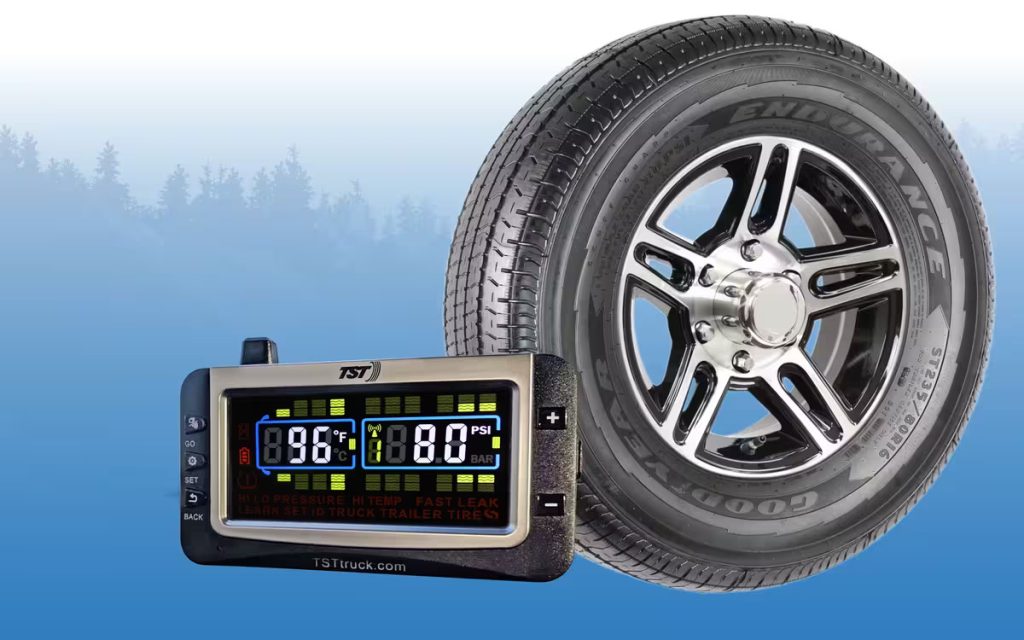
If your vehicle doesn’t allow you to reset the system through the methods above, or if the light remains on despite your efforts, a TPMS reset tool or scan tool might be required.
These tools are often used by professionals to reset and reprogram the system.
Step-by-Step:
- You can purchase a TPMS tool from an auto parts store or online. These tools are typically not very expensive.
- Follow the instructions provided with the tool to reset the sensors. The tool will communicate with the sensors and reprogram them to match their new positions.
- After resetting the sensors, check to ensure the TPMS light is off.
Sometimes, drivers pair this process with other services like adas calibration in burlington, since both systems rely on proper sensor alignment for safety and accuracy.
Frequently Asked Questions
1. Why is my TPMS light still on after resetting it?
If the light remains on after resetting, there could be an issue with one of the sensors, or the system may need further calibration. It’s best to consult a professional technician.
2. Can I reset the TPMS without a tool?
Yes, many cars allow you to reset the TPMS manually through the vehicle’s settings or using the TPMS reset button. If these options don’t work, a tool may be required.
3. Do I need to reset the TPMS after rotating my tires?
Yes, after rotating your tires, the TPMS system may need to be reset so that it can learn the new sensor positions and stop the warning light from appearing.
Conclusion
Resetting your tire sensors after a tire rotation is a straightforward process, but it’s important to follow the correct steps.
Whether you choose to reset the system manually, use your car’s built-in menu settings, or rely on a professional tool, it’s essential to ensure that your TPMS is working properly.
Regular maintenance of your tire pressure system can keep your car running smoothly and avoid any unnecessary stress or confusion when the warning light comes on.
If in doubt, seeking professional assistance will ensure the job is done right.
