
Spark plugs play a crucial role in keeping your engine running smoothly by igniting the air-fuel mixture.
A misfiring spark plug, however, can lead to poor performance and safety risks. In this guide, we’ll walk you through the signs of a misfire, its causes, and how to fix it—ensuring your vehicle performs at its best.
How do I know if my spark plug is misfiring?
Misfiring spark plugs cause engine sputtering, poor acceleration, rough idling, and higher fuel consumption. Get it checked ASAP to avoid further damage to the engine.
Key Takeaways
- Misfire Symptoms: Common signs of a misfiring spark plug include rough idling, decreased engine power, and unusual sounds.
- Causes of Misfires: Misfires can occur due to worn-out spark plugs, damaged ignition coils, or other ignition system issues.
- Impact on Performance: A misfiring spark plug can lead to poor acceleration, poor fuel efficiency, and can damage the engine over time.
What Causes a Spark Plug to Misfire?
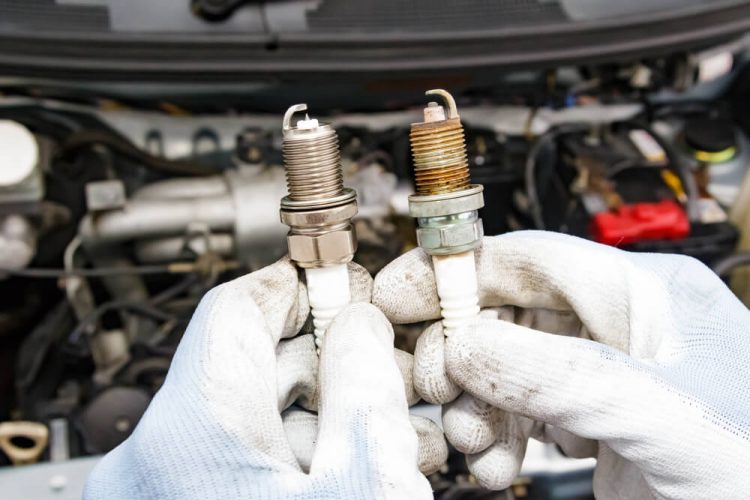
Before diving into the signs of a misfiring spark plug, let’s take a look at what causes it to happen in the first place.
Spark plug misfires occur when the spark plug fails to ignite the air-fuel mixture properly in the engine’s cylinders. There are several reasons why this might happen:
1. Worn-out Spark Plugs
Over time, spark plugs naturally wear down as they endure the heat and pressure within the engine.
If they become too worn, they may not produce a strong enough spark to ignite the fuel properly, causing a misfire.
2. Faulty Ignition Coils
The ignition coil is responsible for providing the spark to the spark plug. If the ignition coil is faulty or damaged, it can prevent the spark plug from firing correctly, resulting in a misfire.
3. Incorrect Fuel-Air Mixture
If the engine is receiving too much fuel or not enough air, the spark plug may not fire properly, leading to a misfire.
This could be caused by a problem with the fuel injectors, air intake system, or the engine’s overall fuel management.
4. Damaged or Faulty Wiring
Damaged or faulty wiring can interfere with the connection between the spark plug and ignition coil. If the connection isn’t strong, the spark plug may not fire, resulting in a misfire.
5. Dirty or Carbon-Covered Spark Plugs
If the spark plugs become dirty or covered in carbon deposits, they may not be able to produce a proper spark. This can also lead to misfires and poor engine performance.
Signs That Your Spark Plug Is Misfiring
A misfiring spark plug can cause various issues with your engine’s performance. Here are some common signs to look out for if you suspect that your spark plug is misfiring:
1. Rough or Unstable Idling
If your engine feels like it’s shaking or idling unevenly, this could be a sign that one or more spark plugs are misfiring.
A healthy engine should idle smoothly, but if the spark plug is not firing correctly, it can cause irregular engine movements. You may feel vibrations in the steering wheel or seat while the car is idling.
2. Why Does This Happen?
When a spark plug misfires, the engine isn’t firing on all cylinders. This causes an imbalance, resulting in a rough or bouncy idle.
The car may feel unsteady, especially when stopped at traffic lights or idling in neutral.
3. Poor Acceleration or Reduced Power
A misfiring spark plug can cause poor acceleration and a lack of engine power when you try to speed up.
If you find your car struggling to accelerate or feeling sluggish when pressing the gas pedal, it may be a sign that a spark plug is not functioning properly.
4. Why Does This Happen?
When a spark plug misfires, the combustion process is disrupted.
This leads to a loss of power and decreased engine performance, as the engine is not getting the proper amount of fuel and air to generate power.
5. Decreased Fuel Efficiency
If you notice that your fuel economy is lower than usual, it could be because your spark plugs are misfiring.
A misfire can lead to incomplete combustion, which wastes fuel and reduces the efficiency of your engine. As a result, your car may consume more fuel than usual.
6. Why Does This Happen?
When a spark plug misfires, the engine is not running efficiently, causing it to burn more fuel than necessary. This results in lower fuel economy and higher fuel costs.
7. Check Engine Light Comes On
If your spark plugs are misfiring, the check engine light may illuminate on your dashboard.
This happens because the car’s engine control unit (ECU) detects irregularities in the engine’s performance.
A misfire can trigger the ECU to send a signal that prompts the check engine light.
8. Why Does This Happen?
The ECU constantly monitors various systems in your vehicle, including the ignition system.
When it detects an issue, such as a misfire, it activates the check engine light to alert you to the problem.
9. Unusual Sounds
A misfiring spark plug can also cause unusual sounds from the engine, such as backfiring or popping noises.
These sounds occur when the air-fuel mixture ignites at the wrong time, causing irregular combustion within the engine.
10. Why Does This Happen?
Misfires disrupt the timing of the engine’s combustion cycle. This can cause the fuel-air mixture to ignite outside the cylinder, leading to backfiring and popping noises.
These sounds are a clear indication that something is wrong with the ignition process.
How to Fix a Misfiring Spark Plug
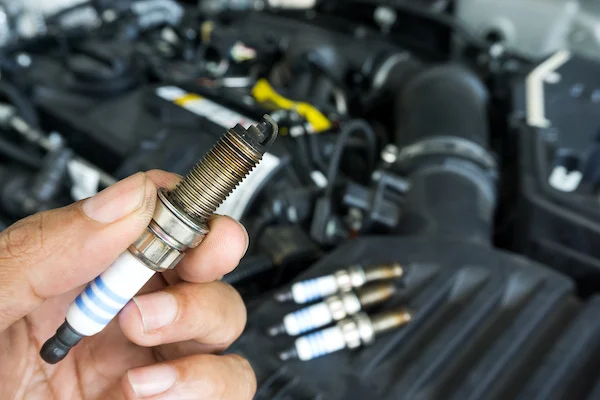
If you suspect that your spark plug is misfiring, there are a few steps you can take to address the issue. Here’s how to fix it:
1. Inspect the Spark Plugs
The first step is to inspect the spark plugs to see if they’re worn out, dirty, or damaged. If the spark plug is dirty or has carbon deposits, it may just need to be cleaned or replaced.
If the plug is worn down or damaged, it will need to be replaced.
2. Check the Ignition System
If the spark plugs look fine, the issue may lie with the ignition system.
Check the ignition coils, wires, and connections to ensure that the spark is being delivered properly to the spark plug.
Faulty ignition coils or wiring can prevent the spark plug from firing correctly, causing a misfire.
3. Replace the Spark Plugs
If the spark plug is worn or damaged, it’s time to replace it. Make sure to use the correct spark plug for your vehicle, as different engines require different types of plugs.
Consult your owner’s manual or a mechanic to ensure you’re using the right part.
4. Clean or Replace the Fuel System Components
If the spark plugs and ignition system are in good condition, the issue may be with the fuel system.
A dirty fuel injector or clogged air filter can cause improper fuel delivery to the spark plug.
Cleaning or replacing these components can resolve the issue and restore proper engine performance.
When to Seek Professional Help
While it’s possible to address a misfiring spark plug on your own, it’s always a good idea to consult a professional mechanic if you’re unsure.
A misfiring spark plug can sometimes indicate a deeper issue with your ignition system or engine, so it’s important to have it inspected and repaired by a professional if necessary.
Frequently Asked Questions
1. What are the signs of a misfiring spark plug?
Common signs of a misfiring spark plug include rough idling, poor acceleration, decreased fuel efficiency, a check engine light, and unusual engine noises like backfiring.
2. Can a misfiring spark plug cause engine damage?
Yes, if left unaddressed, a misfiring spark plug can cause damage to the engine, particularly the catalytic converter, due to the incomplete combustion process.
3. How can I fix a misfiring spark plug?
To fix a misfiring spark plug, you should inspect and replace the spark plug if necessary, check the ignition system, and clean or replace any components in the fuel system that may be causing the issue.
Conclusion
Spark plugs are small but mighty components that play a crucial role in your car’s overall performance.
A misfiring spark plug can lead to a variety of symptoms, including rough idling, poor fuel efficiency, and decreased engine power.
If you notice these issues, it’s essential to address the problem as soon as possible to avoid further damage to your engine.
Regular maintenance and timely replacement of spark plugs can ensure a smooth, efficient, and safe driving experience.
If you’re unsure about how to handle a misfiring spark plug, it’s always a good idea to consult with a professional mechanic.
Proper care of your spark plugs will keep your engine running at its best, ensuring reliability and longevity for your vehicle.
