Oil is crucial for the smooth operation of your engine. It acts as a lubricant, reducing friction, cooling the engine, and cleaning away debris.
Without oil, or if the oil level is low, it’s only a matter of time before significant engine damage occurs. In some cases, external factors like hail damage car issues can distract drivers from noticing underlying mechanical problems until they worsen.
In this blog, we’ll dive into the signs of engine damage caused by insufficient or no oil, the warning signs to look for, and the consequences of running an engine without oil as these issues also impact broader systems like vehicle fleet maintenance management.
How to Tell if an Engine is Damaged from No Oil?
Signs of engine damage from no oil include knocking sounds, smoke from the exhaust, overheating, and warning lights. If notice, have a mechanic inspect your engine for potential internal damage. For severe cases, you may even need engine rebuilding near me services.
Key Takeaways:
- Lack of oil can cause engine overheating, knocking, and total failure.
- Regular oil checks and timely oil changes can prevent engine damage.
- Address warning signs like oil lights and strange noises immediately to avoid costly repairs.
The Importance of Engine Oil

Before we explore how to tell if your engine is damaged from a lack of oil, it’s essential to understand why oil is so vital to your vehicle’s performance. Engine oil serves several purposes:
Lubrication: Oil reduces friction between the engine’s moving parts, which prevents wear and tear. Without it, metal components grind against each other, causing damage.
Cooling: Engine oil helps to dissipate heat generated by the engine. Without oil, the engine can overheat, leading to overheating-related failures.
Cleaning: Oil carries away contaminants and dirt that build up in the engine, keeping it clean. Without oil, debris can accumulate, leading to blockages and other issues.
Signs of Engine Damage from No Oil
Running your engine without oil or with a very low oil level can lead to serious issues.
The symptoms often don’t appear right away but can build over time. Here are the common signs of engine damage due to a lack of oil:
1. Overheating Engine
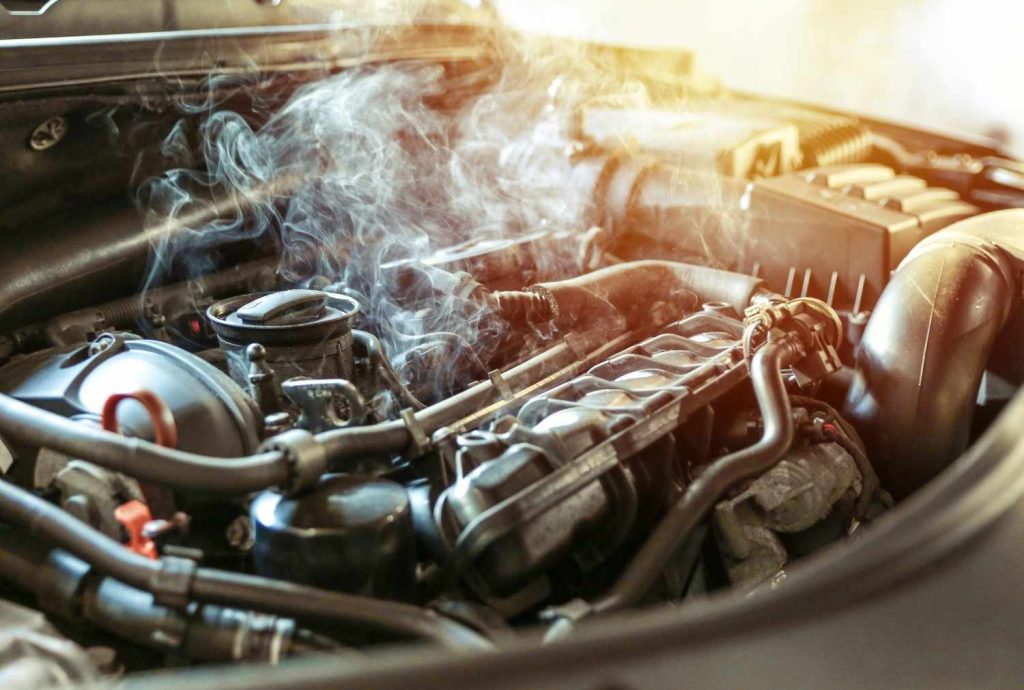
An engine that is running too hot is one of the first signs of potential oil starvation. If the oil level is low, it cannot dissipate heat as effectively, causing the engine to overheat.
You might notice the temperature gauge on your dashboard climbing higher than usual or the check engine light turning on.
The engine’s cooling system works in conjunction with oil to maintain a safe operating temperature, and when oil is missing or low, the cooling process fails, leading to overheating.
What to Look For: Rising temperature gauge Overheating warning light or check engine light Steam or smoke coming from the hood of the car
What This Means: If the engine overheats, it can cause the metal components inside to expand, resulting in warping or cracking.
If left unchecked, overheating can lead to a blown head gasket or even a cracked engine block.
2. Loud Engine Noises (Knocking or Tapping)
Another clear sign of oil-related damage is unusual engine noises, such as knocking, tapping, or grinding sounds.
When the oil is low, it fails to properly lubricate the moving parts of the engine, causing the metal to grind against metal. This friction creates loud, unpleasant sounds.
What to Look For: Knock or tapping sounds that intensify as you accelerate Grinding or scraping sounds
What This Means: The knocking sound is often referred to as “engine knock” or “rod knock,” and it happens when the engine’s pistons or other internal components don’t have adequate lubrication.
If this issue is not addressed promptly, it can lead to severe damage to the engine’s bearings, pistons, and crankshaft.
3. Decreased Engine Performance
If you’ve noticed that your car’s performance has dropped, such as reduced acceleration, sluggishness, or stalling, this could be a sign that your engine is not getting enough oil.
Lack of oil leads to poor lubrication, which makes it difficult for the engine’s components to work smoothly. As a result, the engine struggles to perform as it normally would.
What to Look For: Reduced acceleration / Sluggish engine response / Stalling or misfiring
What This Means: Decreased performance can be caused by several factors related to low or no oil, including poor combustion, a lack of lubrication for the fuel injectors, or excessive friction in the engine.
If not addressed, it can lead to engine failure or costly repairs. At that point, many drivers end up asking how much does it cost to rebuild an engine, since damage from oil starvation can be severe enough to require a full rebuild.
4. Oil Warning Light or Low Oil Pressure Light Turns On
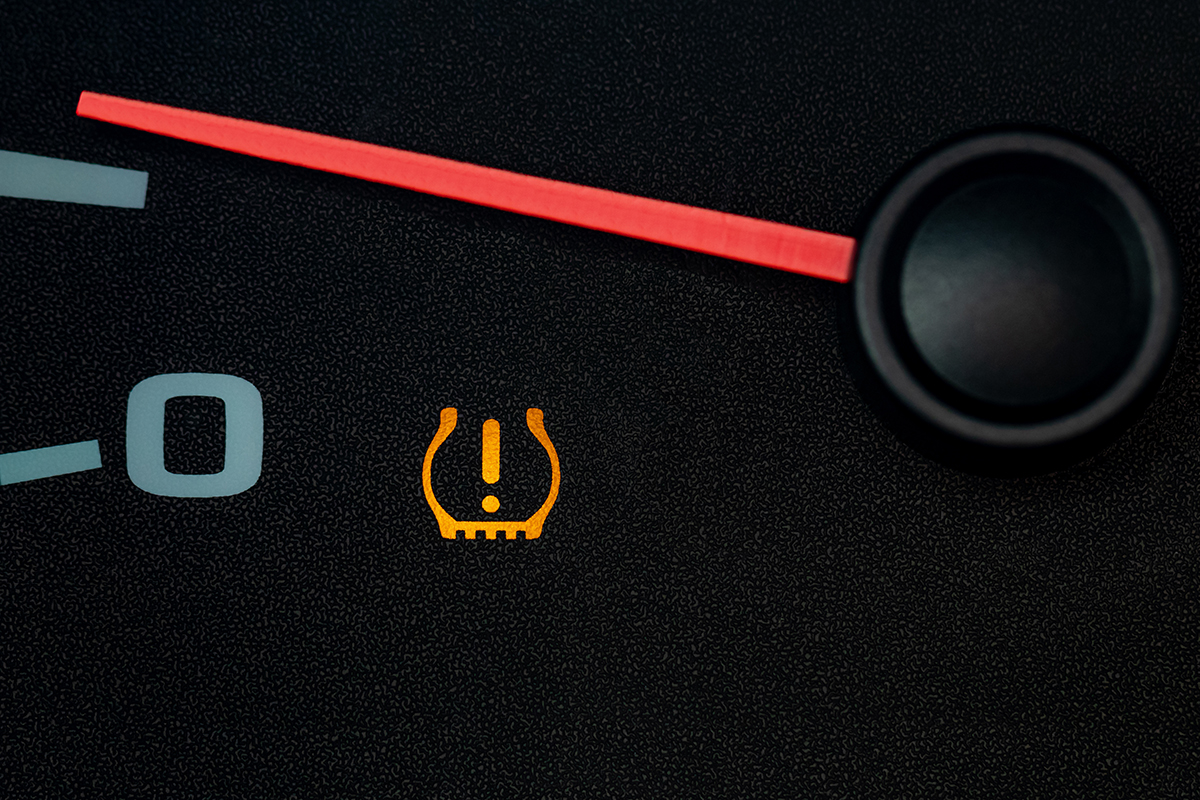
Most vehicles have an oil warning light or low oil pressure light that comes on when the oil level is too low or the pressure is too low to properly lubricate the engine.
This is one of the earliest warning signs that your engine might be at risk of damage. If you ignore the light, you risk damaging the engine beyond repair.
What to Look For: Oil warning light / Low oil pressure light
What This Means: If you see the oil light illuminate, stop the car immediately and check the oil level.
If it’s low, top it up right away. Ignoring the light could result in the engine running dry, leading to irreversible damage.
5. Smoke Coming from the Exhaust or Engine Bay
If your engine has been running without oil or with inadequate oil levels, it can cause the engine to overheat, leading to the emission of smoke.
This is often a sign that the engine has become so hot that it’s burning components, which could include seals or gaskets.
What to Look For: White or blue smoke from the exhaust, Smoke coming from the engine bay (usually due to burning oil)
What This Means: If the engine burns oil, it’s a sign that the internal components are excessively heated.
This could be a sign of internal damage, such as warped pistons or cracked engine parts. In severe cases, this may lead to a complete engine failure.
6. Seized Engine
A seized engine is one of the most catastrophic consequences of running an engine without oil.
A seized engine occurs when the internal components become so hot and dry that they literally fuse together, preventing the engine from turning over.
What to Look For: Complete inability to start the engine, grinding or locking sounds when attempting to start the engine
What This Means: A seized engine typically requires an engine rebuild or replacement, which can be very costly.
If the engine seizes due to lack of oil, it’s often too late to fix the issue with a simple oil change.
7. Burnt or Unusual Smell

A burnt smell or the smell of something overheating could indicate that the oil in your engine is burning or has overheated.
This usually happens when the oil breaks down due to prolonged heat exposure or when there’s not enough oil to cool the engine.
What to Look For: A burnt smell coming from the engine bay The smell of overheating components
What This Means: If you notice this smell, it could be a sign that your engine is overheating due to a lack of lubrication, which can cause irreversible damage to the engine’s parts.
If you are wondering why do I smell gas in my car when the AC Is on, that’s a different issue and you can follow my article to clear that problem.
What Are the Consequences of Running an Engine Without Oil?
The consequences of running an engine without oil can be catastrophic.
Not only does it lead to poor performance, but it also causes serious long-term damage that may require costly repairs or a complete engine replacement. Some of the most common consequences include:
Increased Friction and Wear: Without oil, the engine parts grind against each other, causing excessive wear and tear on vital components such as the pistons, crankshaft, and bearings.
Overheating: Oil is essential for keeping your engine cool. Without it, the engine will overheat, which can lead to permanent damage, including warped parts and blown gaskets.
Loss of Engine Functionality: As the engine components become more worn down, the engine may begin to lose its functionality, making it harder to start or causing it to stall while driving.
Total Engine Failure: If left unchecked, running without oil can cause the engine to seize or completely fail, leading to expensive repairs or the need for a full engine replacement.
How to Prevent Engine Damage from Lack of Oil
The best way to prevent engine damage due to a lack of oil is through regular maintenance and oil checks. Here are a few tips to help:
1. Check Oil Regularly

The first and most effective way to prevent engine damage is to check your oil regularly.
Ideally, you should check the oil level every month or before long trips, especially if you’re nearing the time for an oil change.
Simply use the dipstick to check the oil level and its condition. If the oil is low, top it up with the recommended oil type for your vehicle.
Low oil levels can quickly lead to overheating and internal engine friction, causing major damage if left unchecked.
Regular checks allow you to spot issues early and prevent potential problems before they escalate.
2. Follow Oil Change Intervals
Another important aspect of oil maintenance is following the manufacturer’s recommended oil change intervals.
Most vehicles require an oil change every 3,000 to 5,000 miles, but this can vary depending on your car’s make and model.
Regular oil changes ensure the oil in your engine remains clean and effective in lubricating the engine’s moving parts.
Fresh oil also helps maintain proper engine temperatures and prevent the build-up of contaminants that can lead to engine wear.
Ignoring regular oil changes can lead to sluggish engine performance, overheating, and, ultimately, engine failure.
3. Look for Oil Leaks
Even if you’re diligent about checking your oil and performing regular oil changes, oil leaks can still occur, draining the oil from your engine.
If you notice oil spots under your car or any suspicious oil puddles in your garage, it’s a clear sign that you have a leak.
Leaks can occur in several places, including the oil pan, gaskets, or oil filter. If left untreated, these leaks can cause your oil level to drop significantly, leading to severe engine damage.
It’s essential to address any oil leaks immediately by consulting a mechanic who can locate and repair the source of the leak.
At URBS Garage, we have professional mechanics to take care of your oil services in Finneytown. We offer services like Audi oil change in Finneytown and for other major brands such as Mercedes and Ford.
4. Use the Right Oil
Using the correct type of oil for your vehicle is just as important as maintaining the oil level.
Each vehicle has specific oil requirements based on the engine’s design and the manufacturer’s specifications.
Using the wrong oil type can result in poor lubrication, overheating, or increased engine wear.
Be sure to check your owner’s manual or consult your mechanic to determine the right oil for your vehicle.
Additionally, be mindful of using high-quality oil brands, as low-quality oils may not perform optimally and could damage your engine over time.
Frequently Asked Questions
1. Can an engine run without oil?
No, an engine cannot run without oil. Oil lubricates the engine’s components, and without it, the engine will overheat, seize, and eventually fail.
2. How often should I check my oil level?
You should check your oil level at least once a month and before long trips. Additionally, check the oil regularly if you notice any signs of leakage or overheating.
3. Can I drive my car if the oil light comes on?
It’s not recommended to drive your car if the oil light comes on. This indicates low oil pressure, which can cause engine damage. Stop driving and top up the oil or get it checked immediately.
Conclusion
Oil is essential to the health and longevity of your engine. Running an engine without oil or with low oil can lead to severe damage, including overheating, friction, and ultimately engine failure.
It’s important to be aware of the warning signs, such as unusual engine noises, overheating, and smoke, and address any oil-related issues immediately.
Regular oil checks and timely oil changes are key to preventing engine damage and keeping your vehicle running smoothly for years to come.
