
Your car’s alternator is key to keeping your battery charged and powering electrical systems. If it fails, you could experience dim lights, electrical issues, or a dead battery.
Regular testing helps spot problems early, preventing costly repairs. In this guide, we’ll walk you through how to test your car’s alternator and keep your ride running smoothly. But before that, it’s helpful to understand how does a car alternator work, so you can better recognize signs of trouble and ensure it’s functioning correctly.
How to test a car alternator?
To test a car’s bad alternator, use a multimeter to check the voltage across the battery. With the engine running, it should read between 13.8 and 14.2 volts. If it’s lower, the alternator may be faulty.
Key Takeaways
- A faulty alternator can lead to poor vehicle performance and battery issues.
- Testing the alternator can help identify problems early, allowing you to take action before the situation worsens.
- There are several methods to test an alternator, from simple visual inspections to more advanced diagnostic tools.
What Is an Alternator, and Why Is It Important?
Before diving into how to test your alternator, it’s helpful to understand its function. The alternator is a key component of your vehicle’s electrical system.
It’s responsible for charging the car battery and powering the electrical systems while the engine is running.
Without a working alternator, your car would quickly lose battery power, leaving you stranded.
The alternator generates electricity by converting mechanical energy from the engine’s rotating parts into electrical energy.
This energy is then used to charge the battery and supply power to the car’s lights, radio, air conditioning, and other electronics.

Signs That Your Alternator Might Be Failing
There are several symptoms to look out for if you suspect that your alternator is not working properly. Some of the most common signs include:
Dimming or Flickering Lights: If your headlights or interior lights are flickering or dimming, it could be a sign that the alternator is not charging the battery properly.
Electrical Failures: A failing alternator can cause various electrical components to stop working, such as the radio, air conditioning, or power windows.
Battery Warning Light: Most vehicles have a battery warning light on the dashboard that will light up when the alternator is not charging the battery properly.
Strange Noises: A faulty alternator may produce grinding or whining noises. This can be caused by worn-out bearings or other internal components of the alternator.
Car Stalls or Struggles to Start: If the alternator isn’t charging the battery properly, the vehicle may struggle to start or stall while driving.
Methods for Testing a Car Alternator
There are several methods to test the condition of your alternator.
From a simple visual inspection to using diagnostic tools, the method you choose depends on the resources you have available and how confident you are in performing the test yourself.
Visual Inspection
The first step in diagnosing a problem with your alternator is to visually inspect it.
This can help you spot any obvious issues, such as damaged wiring, a loose serpentine belt, or a worn-out alternator.
How to Do It:
- Open the hood of your car and locate the alternator.
- Check the alternator’s condition. Look for any visible damage, such as loose wires, cracks, or corrosion on the terminals.
- Check the serpentine belt for tightness and wear. A loose or damaged belt can prevent the alternator from charging the battery properly.
Check the Battery Warning Light
Most modern cars have a battery warning light on the dashboard that indicates when the alternator is not charging the battery.
If this light comes on while driving, it’s a clear sign that something is wrong with the alternator.
What to Do:
If the battery light comes on, turn off all non-essential electrical components, such as the air conditioning, and head to a repair shop as soon as possible.
In some cases, the battery light may come on intermittently, which can indicate a problem with the alternator’s voltage regulator.
Use a Multimeter to Test the Alternator Output
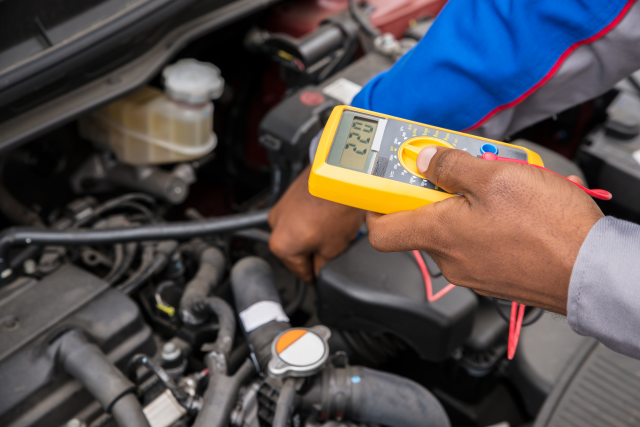
One of the most effective ways to test your alternator is by using a multimeter to measure the voltage output.
A healthy alternator should produce a voltage between 13.7 and 14.7 volts when the engine is running.
How to Do It:
Set your multimeter to measure DC voltage.Start the car and set the multimeter probes on the battery terminals—red to positive (+) and black to negative (-).
Check the voltage reading. If the reading is below 13.7 volts, your alternator is likely not charging the battery properly.
If it’s above 14.7 volts, your alternator may be overcharging the battery, which can also cause damage.
Test the Alternator with a Load Test
A load test measures how well the alternator is able to handle a heavy electrical load, such as when the lights and air conditioning are on.
This test is usually done at a mechanic’s shop, but you can also perform a simplified version at home.
How to Do It:
Start the car and turn on all electrical systems (headlights, air conditioning, radio, etc.). Use a multimeter to measure the battery voltage at the battery terminals.
The voltage should remain between 13.7 and 14.7 volts. If the voltage drops significantly when the electrical load is applied, it may indicate that the alternator is failing to charge the battery properly.
Professional Diagnostic Test
If you’re not comfortable performing the tests yourself, or if you’re unsure about the results, it’s always a good idea to take your car to a professional mechanic.
Many auto parts stores also offer free alternator and battery testing services.
What to Expect:
A professional will use diagnostic tools to check the alternator’s performance under load and verify if it’s producing the correct voltage.
They may also perform a diagnostic scan of the vehicle’s electrical system to pinpoint any other underlying issues.
Frequently Asked Questions
1. How do I know if my alternator is failing?
Signs of a failing alternator include dimming headlights, electrical issues, the battery warning light, and grinding noises from the alternator.
2. Can I drive with a faulty alternator?
Driving with a faulty alternator can lead to a drained battery and potential breakdown. It’s best to replace the alternator as soon as possible.
3. How much does it cost to replace an alternator?
The cost of replacing an alternator can vary but generally ranges from $300 to $1,000, depending on the vehicle make and model.
Conclusion
Testing your car’s alternator regularly can help prevent unexpected breakdowns and keep your vehicle running smoothly.
If you notice any signs of a failing alternator, it’s important to address the issue quickly to avoid further damage.
Whether you choose to test the alternator yourself or seek professional help, staying on top of your car’s electrical system can save you time and money in the long run.
Regular maintenance and timely repairs will ensure that your alternator continues to perform efficiently for years to come.
