
When it comes to maintaining tire pressure, you have two options: regular air or nitrogen.
Both inflate tires to the proper pressure, but many vehicle owners wonder which is better for their tires.
In this article, we’ll explore the key differences between nitrogen and air, along with the benefits and drawbacks of each, to help you make an informed decision.
Nitrogen vs air in tires?
Nitrogen helps maintain tire pressure longer and reduces oxidation, offering better stability and longer tire life. Air is a mix of gases, including nitrogen, and is more commonly used.
Key Takeaways
- Nitrogen is often considered a better option for tires due to its stability and ability to maintain pressure for longer.
- Air, which is composed of around 78% nitrogen, is more readily available and cost-effective, but it may require more frequent pressure checks.
- Both nitrogen and air have their advantages, depending on your specific needs and driving conditions.
What Is Nitrogen and How Does It Work in Tires?
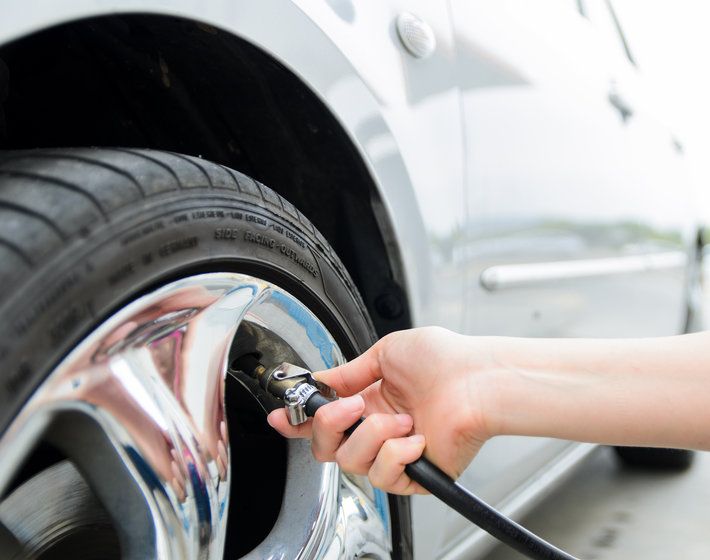
Nitrogen is a naturally occurring gas that makes up about 78% of the air we breathe. However, when used in tires, it’s typically 99% pure nitrogen, making it more stable than regular air.
Nitrogen molecules are larger than oxygen molecules, which means they are less likely to permeate through the tire rubber, resulting in a slower rate of pressure loss.
1. Benefits of Nitrogen in Tires
- Slower Pressure Loss: Nitrogen’s larger molecules make it less prone to escaping through the rubber of the tire, meaning your tire pressure stays more consistent over time.
- Reduced Moisture: Nitrogen is dry, which helps reduce the moisture content inside your tires. Excess moisture can cause corrosion on the internal components of the tire, such as the rim and valve, which can lead to premature wear.
- More Stable Tire Pressure: Nitrogen’s stable properties mean your tires are less affected by temperature changes. This can lead to more accurate tire pressure readings, especially in extreme temperatures.
What Is Air and How Does It Work in Tires?
Air, which is made up of a mixture of gases, including 21% oxygen, is the most common and readily available option for inflating tires.
The oxygen in air can cause tire pressure to fluctuate more with changes in temperature, as oxygen molecules are smaller and escape through the tire more quickly than nitrogen.
1. Benefits of Air in Tires
- Readily Available: Air is free and available at almost every gas station, making it convenient for drivers to maintain their tire pressure without needing specialized equipment.
- Cost-Effective: Air is free and doesn’t come with the added cost that nitrogen inflation does. It’s an economical option for most vehicle owners.
- Familiar and Easy to Use: Because air has been the standard for tire inflation for decades, most drivers are familiar with using it and understand how to check and maintain tire pressure.
Nitrogen vs Air in Tires: Key Differences
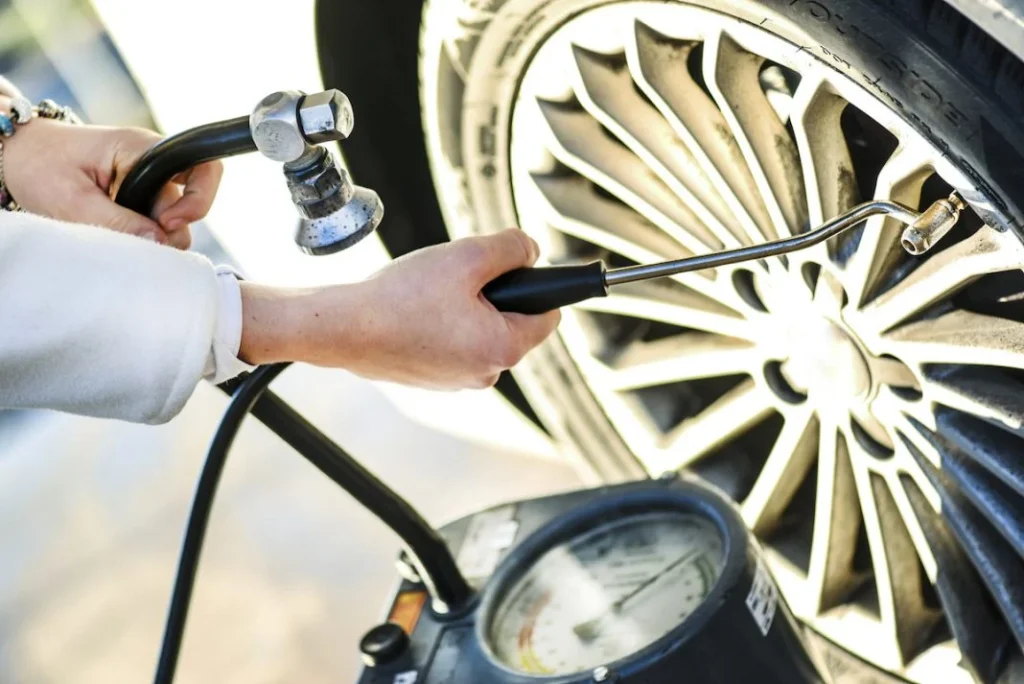
While both nitrogen and air serve the same purpose, the properties of nitrogen offer some distinct advantages that air does not. Let’s explore how nitrogen and air compare in key areas.
1. Pressure Stability
One of the most significant benefits of using nitrogen is its ability to maintain more consistent tire pressure.
Because nitrogen is less likely to escape from the tire over time, the pressure stays more stable. This means less frequent pressure adjustments and a more reliable tire performance.
Air: Air in tires can experience more rapid pressure loss due to the small size of oxygen molecules. This can result in fluctuating tire pressures, especially in varying weather conditions.
Nitrogen: Tires inflated with nitrogen tend to maintain a more consistent pressure, reducing the need for frequent checks and adjustments.
2. Temperature Fluctuations
Temperature can significantly affect tire pressure. On hot days, air molecules expand, which can cause an increase in tire pressure.
Conversely, on cold days, the air molecules contract, causing tire pressure to drop. This fluctuation can affect tire performance, including handling and fuel efficiency.
Air: Tires inflated with air are more susceptible to temperature-related pressure changes, which can be problematic, particularly in areas with significant temperature fluctuations.
Nitrogen: Nitrogen is more resistant to temperature changes. Because nitrogen molecules are larger and more stable, it tends to maintain a more consistent pressure despite temperature fluctuations.
3. Moisture and Corrosion
One of the main issues with using air in tires is that air contains moisture. This moisture can accumulate inside the tire, especially when the tire is subjected to changes in temperature.
The moisture can lead to internal rusting or corrosion of the rim, valve, and other components of the tire, which can cause premature wear.
Air: Air contains moisture, which can contribute to rust and corrosion of the wheel rims and valve stems over time.
Nitrogen: Nitrogen is dry, which means there’s less moisture inside the tire. This reduces the risk of corrosion, particularly for metal components, and helps extend the life of the tire.
The Cost Factor: Is It Worth Paying for Nitrogen?
A common question drivers have is whether the benefits of nitrogen are worth the cost.
While nitrogen inflation is typically more expensive than using air, it may provide some long-term advantages that justify the cost.
1. Upfront Costs
Air: Using air is free at most gas stations, and there is no cost associated with the initial inflation.
Nitrogen: Nitrogen inflation typically costs between $5 and $10 per tire, depending on the service provider. This cost covers the initial inflation and sometimes a refill if the pressure drops over time.
2. Long-Term Benefits
Air: Since air can fluctuate in pressure, you may need to top off your tires more frequently, particularly in extreme weather conditions. This can result in more trips to the gas station and potentially more wear on the tire.
Nitrogen: The long-term benefits of nitrogen include more consistent tire pressure and less frequent need for adjustments. This can lead to improved fuel efficiency, longer tire life, and reduced risk of tire blowouts.
Which One Is Right for You?

The choice between nitrogen and air ultimately depends on your driving habits, budget, and preference for convenience.
1. Best for Budget-Conscious Drivers
If you’re looking for an affordable, no-hassle solution, air may be the best option.
It’s free, widely available, and does the job for most drivers, especially those who don’t experience significant temperature fluctuations or heavy usage of their vehicle.
2. Best for Drivers Seeking Performance and Longevity
If you’re looking for more consistent performance, particularly if you live in an area with extreme temperatures or plan to keep your vehicle for an extended period, nitrogen may offer greater long-term value.
It’s especially useful for high-performance vehicles, commercial trucks, or vehicles that are used frequently.
Frequently Asked Questions
1. Can I mix nitrogen and air in my tires?
Yes, it is possible to mix nitrogen and air in your tires. However, for the best results, it’s recommended to fill your tires entirely with nitrogen. Mixing may reduce the benefits of using nitrogen.
2. Is nitrogen better for tire pressure monitoring systems (TPMS)?
Yes, nitrogen helps maintain more consistent tire pressure, which can result in fewer TPMS warnings related to fluctuating tire pressure.
3. Does nitrogen inflate tires faster than air?
No, nitrogen does not inflate tires any faster than air. The process of inflating a tire with nitrogen is the same as with air, but nitrogen offers more stability once the tire is inflated.
Conclusion
In the battle of nitrogen vs air for tires, both options have their pros and cons.
While nitrogen offers benefits like consistent tire pressure, reduced moisture, and better performance in extreme temperatures, air is more affordable and readily available.
Ultimately, the choice depends on your priorities—whether you’re looking for convenience and cost-effectiveness or you’re focused on long-term tire health and performance.
Read Similar: How Many Miles Do Tires Last?
