
A slow tire leak can be a frustrating issue for any driver. Unlike a sudden flat tire, a slow leak can go unnoticed for days or weeks, gradually losing air pressure.
If ignored, it can lead to poor performance, decreased fuel efficiency, and tire damage.
In this guide, we’ll explore common causes of slow tire leaks, how to identify them, and how to fix the issue to keep your tires in top condition.
What are the causes of a slow tire leak?
Slow tire leaks are often caused by punctures, worn-out valve stems, or improper bead seals. Check for sharp objects, cracks, or loose valve cores to find the source and avoid bigger issues.
Key Takeaways
- A slow tire leak can be caused by a variety of factors, including punctures, valve stem damage, or improper tire installation.
- Identifying the cause of the leak early can prevent further tire damage and improve driving safety.
- Regular tire maintenance and inspections are essential to catch issues like slow leaks before they become serious problems.
What Causes a Slow Tire Leak?
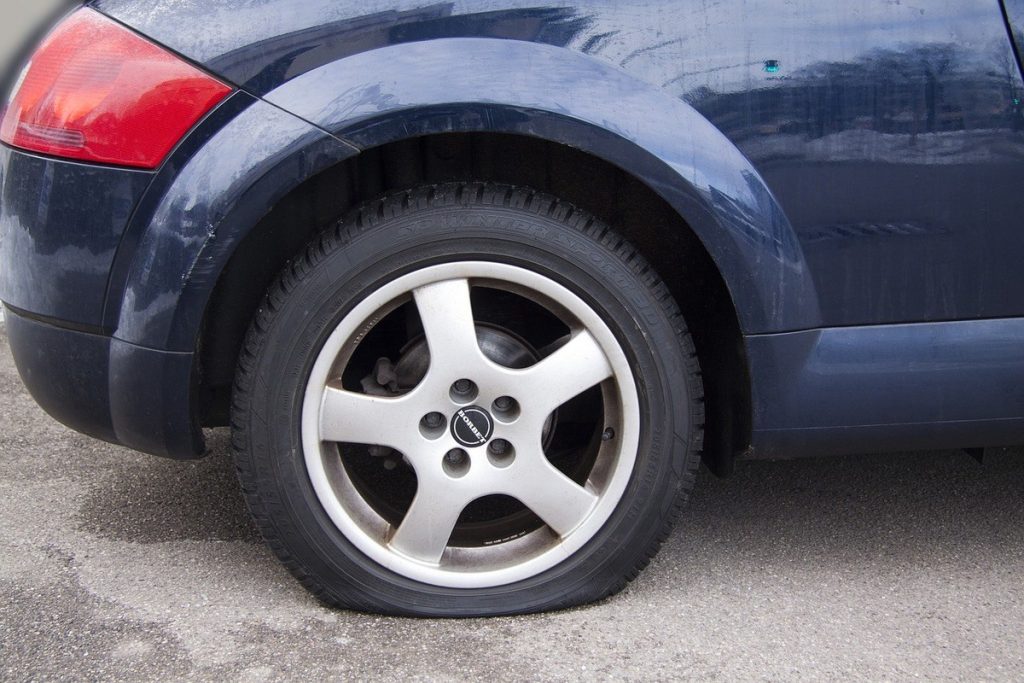
Several factors can contribute to a slow tire leak. The most common causes are damage to the tire, problems with the valve stem, or natural air loss. Here’s a breakdown of the most likely causes:
1. Punctures and Foreign Objects
One of the most common causes of a slow tire leak is a puncture from a sharp object like a nail, screw, or glass.
These foreign objects can create small holes in the tire, allowing air to escape gradually.
The leak may not be large enough to cause immediate deflation, but it can result in slow air loss over time.
Solution: Inspect the tire for visible punctures. If you find a nail or other foreign object stuck in the tire, avoid removing it until you’re ready to have the tire repaired. A professional can patch the hole or install a plug to stop the leak.
2. Damaged Valve Stem
The valve stem is the small rubber or metal tube used to inflate the tire. Over time, the valve stem can become cracked, damaged, or worn, leading to air loss.
This is especially common in older tires or vehicles that have been exposed to extreme temperatures.
A damaged valve stem can cause a slow tire leak, often without any visible signs of damage to the tire itself.
Solution: Inspect the valve stem for cracks or wear. If you notice any issues, it’s best to replace the valve stem. This is a relatively simple and inexpensive repair that can prevent further air loss.
3. Improper Tire Installation or Bead Leaks
When a tire is installed, it needs to be properly seated on the rim to ensure a secure seal. If the tire isn’t correctly mounted, air can slowly escape between the tire and the rim.
This is referred to as a bead leak. The bead is the part of the tire that sits on the rim, and if it’s damaged or improperly sealed, it can cause a slow leak.
Solution: If you suspect a bead leak, it’s important to have the tire checked by a professional. A tire technician can remove the tire, inspect the bead, and reseat it properly to ensure a tight seal.
4. Cracked or Worn Tire
Over time, the rubber of a tire can degrade, especially in hot or extreme weather conditions. This can cause cracks or splits in the tire’s surface, allowing air to escape slowly.
While this is more common in older tires, it can also happen with newer ones if they’re exposed to harsh conditions or lack proper maintenance.
Solution: Inspect the tire for cracks, bulges, or signs of wear. If you notice any damage, it’s essential to replace the tire as soon as possible to avoid further issues. Driving on a worn-out tire can compromise safety and lead to a blowout.
5. Temperature Fluctuations
Temperature changes can also cause slow tire leaks.
As the temperature drops, the air inside the tire contracts, causing a decrease in tire pressure.
Similarly, extreme heat can cause the air to expand, putting extra pressure on the tire. These natural changes in pressure can sometimes cause small leaks that worsen over time.
Solution: Monitor your tire pressure regularly, especially during seasonal temperature changes. Use a reliable tire pressure gauge to ensure your tires are properly inflated. Maintaining the correct tire pressure can help prevent slow leaks caused by temperature fluctuations.
How to Detect a Slow Tire Leak
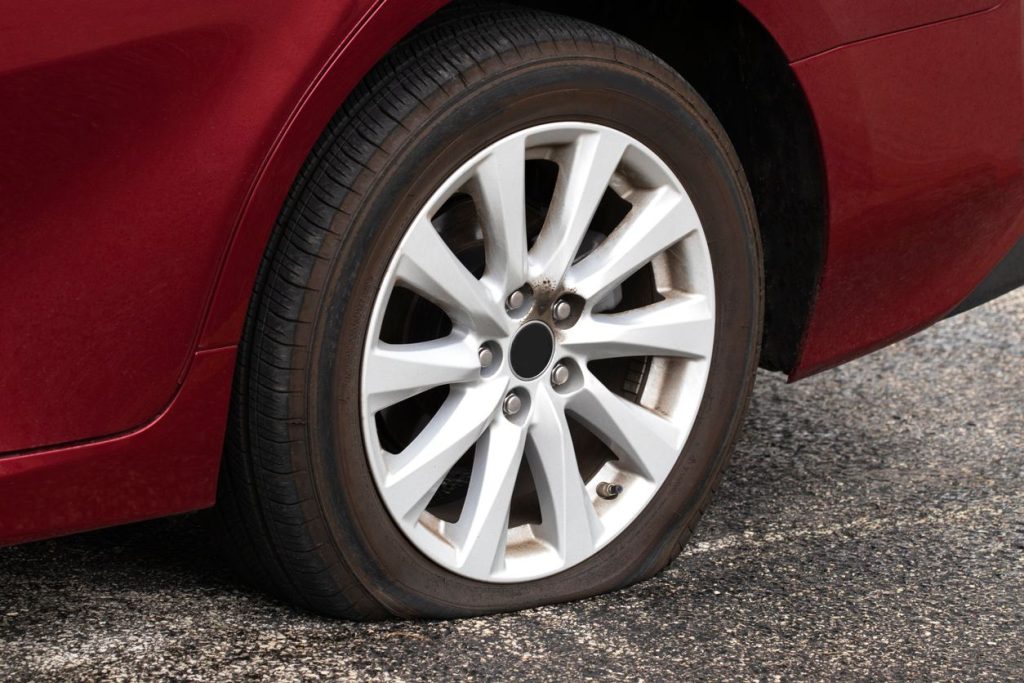
Finding a slow tire leak can be difficult, as the air loss is gradual and often unnoticed. However, there are several methods you can use to detect the issue:
1. Visual Inspection
Start by visually inspecting the tire for any visible punctures, cracks, or objects lodged in the tread.
If you spot a foreign object, it’s best to have the tire professionally repaired before removing it.
2. Soap and Water Solution
One of the simplest ways to find a slow tire leak is to mix soap and water and apply it to the surface of the tire.
Spray or sponge the solution over the tire, paying particular attention to the tread, sidewalls, and valve stem. If there’s a leak, you’ll notice bubbles forming at the site of the puncture.
Tip: This method works best when the tire is inflated to the proper pressure and the vehicle is stationary.
3. Tire Pressure Monitoring System (TPMS)
Many modern vehicles are equipped with a Tire Pressure Monitoring System (TPMS) that alerts you when a tire is losing air.
While this system won’t tell you exactly where the leak is, it can help you identify if one of your tires has lost pressure, indicating a potential slow leak.
4. Submerge the Tire in Water
If you suspect a slow leak but can’t locate the exact area, you can partially submerge the tire in water.
This is often done by filling a container or large bucket with water and placing the tire in it. Watch for bubbles that will form at the point of the leak.
Frequently Asked Questions
1. How can I fix a slow tire leak?
A slow tire leak can often be fixed by patching the tire, replacing the valve stem, or in some cases, replacing the tire entirely. It’s best to have a professional repair the leak for long-term reliability.
2. Can a slow tire leak cause a blowout?
Yes, if left untreated, a slow tire leak can eventually lead to a blowout. It’s important to address the issue promptly to avoid safety risks.
3. How do I prevent slow tire leaks in the future?
To prevent future slow tire leaks, regularly check your tire pressure, inspect for damage, rotate your tires, and avoid overloading your vehicle.
Conclusion
A slow tire leak is a common issue that can lead to larger problems if left unaddressed.
Understanding the causes, detecting the leak, and knowing how to fix it are key to maintaining the health and safety of your tires.
Whether it’s a simple puncture or an issue with the valve stem, taking the necessary steps to repair a slow leak can save you time, money, and hassle in the long run.
Regular tire maintenance and careful inspection will help prevent leaks and keep your vehicle running smoothly.
