
The exhaust system in your car is key to reducing emissions and directing exhaust gases safely. Over time, however, it can deteriorate due to several factors.
Understanding what causes this damage can help you maintain it and avoid costly repairs.
In this guide, we’ll explore common causes of exhaust system damage and share tips to prevent or address these issues.
What can cause your exhaust system to deteriorate over time?
Heat, moisture, and road salt can cause your exhaust system to rust and deteriorate. Regular maintenance and avoiding short trips can help prolong the life of your exhaust.
Key Takeaways
- The exhaust system can deteriorate due to corrosion, physical damage, and poor maintenance.
- Regular maintenance and inspection can help extend the life of your exhaust system.
- Environmental factors, driving habits, and vehicle age all contribute to the deterioration of the exhaust system.

Common Causes of Exhaust System Deterioration
Your exhaust system is constantly exposed to high temperatures, moisture, and road debris, making it susceptible to wear and tear.
Below are some of the most common causes of exhaust system deterioration.
Corrosion from Moisture
One of the primary causes of exhaust system deterioration is corrosion due to moisture.
The exhaust system gets extremely hot during operation, but it also cools down when the vehicle is not running, which can cause condensation to form inside the system.
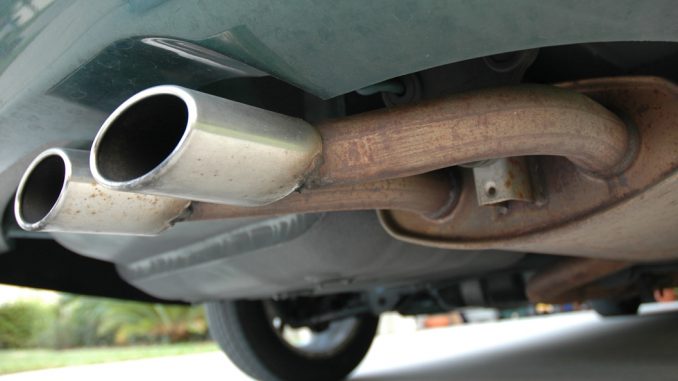
Over time, this moisture mixes with the exhaust gases and causes rust, especially in parts like the muffler, exhaust pipes, and catalytic converter.
How It Happens
When moisture accumulates inside the exhaust system, it combines with the acidic compounds in the exhaust gases, leading to rust formation.
Rust weakens the metal components and causes holes or cracks, which can affect the exhaust system’s efficiency.
Road Salt Exposure
If you live in an area that experiences cold winters, road salt can accelerate the corrosion of your exhaust system.
The salt used to melt ice on the roads can mix with moisture and create a corrosive environment for the exhaust components, especially if your vehicle is exposed to salt for long periods.
How It Happens
Road salt clings to the undercarriage of your vehicle and can get into the exhaust system, leading to accelerated rusting.
This is particularly a concern in colder regions like the Northeastern United States, where road salt is used frequently.
Excessive Heat
Excessive heat from engine combustion can also cause your exhaust system to deteriorate over time.
The high temperatures inside the exhaust system can cause the metal components to expand and contract repeatedly, leading to eventual fatigue and cracking.
Additionally, prolonged exposure to high temperatures can damage the exhaust system’s protective coatings.
How It Happens
When the engine runs for long periods at high temperatures, or when the car is frequently driven hard, the exhaust system is subjected to more heat than it’s designed to handle.
This can lead to parts like the catalytic converter and exhaust manifold cracking or warping.
Physical Damage from Road Debris
The exhaust system is located underneath your vehicle, making it vulnerable to physical damage from road debris, potholes, or accidents.
Stones, sticks, or other objects on the road can strike the exhaust system, leading to dents, cracks, or breaks in the exhaust pipes and muffler.
How It Happens
While driving, objects like rocks or gravel can get kicked up and hit the exhaust system.
These impacts may not always cause immediate damage, but repeated hits or significant impacts can cause permanent damage to the exhaust system, leading to exhaust leaks or decreased performance.
How Driving Habits Affect Your Exhaust System
The way you drive can also play a role in the deterioration of your exhaust system. Certain driving habits put more strain on the exhaust components, leading to faster wear and tear.
Short Trips and Stop-and-Go Driving
If you frequently drive short distances or engage in stop-and-go driving, your exhaust system doesn’t have enough time to heat up properly.
This can lead to the accumulation of moisture inside the system, which, as mentioned earlier, causes corrosion.
How It Affects the Exhaust: Short trips or driving in heavy traffic prevent the exhaust system from reaching the high temperatures needed to evaporate moisture.
As a result, the system remains damp for longer, accelerating the corrosion process.
Frequent High-Revving
High-revving your engine or driving at high speeds can increase the temperature inside the exhaust system.
While the system is designed to handle heat, prolonged exposure to excessively high temperatures can lead to the breakdown of the exhaust components, especially the catalytic converter.
How It Affects the Exhaust: Consistently revving the engine or pushing the car to its limits can cause the exhaust system to overheat, leading to accelerated wear, especially in the muffler, catalytic converter, and exhaust pipes.
Frequently Asked Questions
1. How do I know if my exhaust system is deteriorating?
Look for signs of rust, unusual noises, or exhaust leaks. If your car is making strange sounds or if you smell exhaust fumes inside the vehicle, it could be a sign of a problem with your exhaust system.
2. Can I prevent my exhaust system from rusting?
Regular cleaning, avoiding excessive short trips, and using rust-resistant coatings on your exhaust can help prevent rust. Additionally, keeping the undercarriage of your car clean during winter months will help reduce rust formation.
3. How long does an exhaust system typically last?
The lifespan of an exhaust system varies depending on driving conditions, maintenance, and environmental factors. On average, an exhaust system lasts between 10 to 15 years, but it may need repairs or replacement sooner if it’s exposed to harsh conditions.
Conclusion
A deteriorating exhaust system can affect your vehicle’s performance, safety, and environmental impact.
Regular maintenance and driving habits play a significant role in ensuring the longevity of your exhaust system.
By understanding the causes of deterioration and following preventive measures, you can keep your exhaust system in optimal condition for years to come.
