
When you look at your tires, you’ll see a series of numbers on the sidewalls.
While they may seem confusing, these numbers provide valuable information about your tire’s size, load capacity, speed rating, and more.
Understanding these numbers can help you make better decisions when maintaining or replacing your tires.
In this guide, we’ll break down what the numbers mean and how they impact your vehicle’s performance.
What do numbers on tires mean?
The numbers on tires refer to their size and specifications. For example, 205/55R16 represents the tire’s width, aspect ratio, type, and rim diameter, helping you choose the right fit for your vehicle.
Key Takeaways
- The numbers on your tire sidewalls indicate key information such as size, load capacity, and speed rating.
- Understanding these numbers can help you choose the right tires for your car and ensure better safety and performance.
- Tire specifications can vary depending on your vehicle type, driving conditions, and preferences.
Tire Size: What the Numbers Tell You
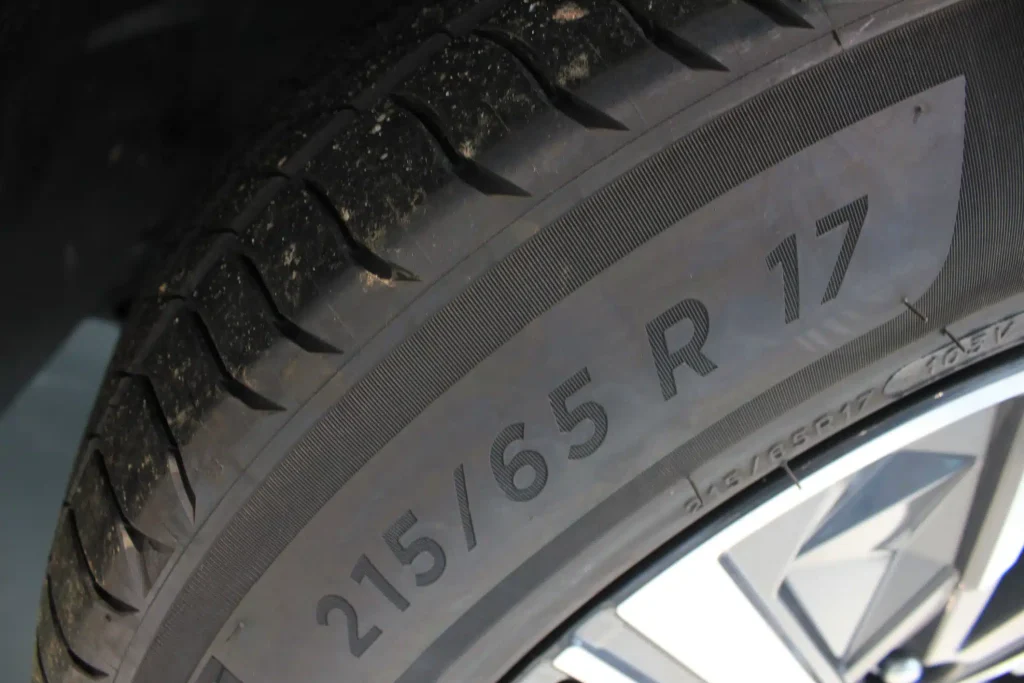
One of the most important things the numbers on your tire provide is the size.
Tire size is a combination of letters and numbers that represents the tire’s width, aspect ratio, and diameter. Let’s break it down:
1. Tire Width
The first number in the sequence refers to the width of the tire, measured in millimetres.
For example, in a tire size of 205/55R16, the first number “205” indicates that the tire is 205 millimetres wide.
The wider the tire, the more contact it has with the road, which can improve traction but may also increase rolling resistance.
Example: A tire size of 215 would indicate a tire that is 215 millimetres wide, while a size of 185 would be narrower.
2. Aspect Ratio
The second number in the sequence is the aspect ratio, which is a percentage. It represents the height of the tire’s sidewall as a percentage of the tire’s width.
For example, in the tire size 205/55R16, the aspect ratio is “55,” meaning the sidewall height is 55% of the tire’s width.
A lower aspect ratio typically means a shorter sidewall, which is common in performance tires.
Example: A 45 aspect ratio would indicate a shorter sidewall, providing more stability and better handling.
A higher ratio like 65 or 70 indicates a taller sidewall, which can improve comfort by absorbing more road shocks.
3. Rim Diameter
The next part of the tire size code refers to the diameter of the wheel (rim) that the tire is designed to fit.
This measurement is expressed in inches. For example, in the tire size 205/55R16, the “16” means the tire is designed to fit a 16-inch rim.
Example: A tire size of 17 inches would fit on a 17-inch rim.
Load Index and Speed Rating
In addition to the tire size, there are also numbers and letters that tell you the load index and speed rating of the tire.
These are important for understanding how much weight the tire can carry and the maximum speed it can handle.
1. Load Index
The load index is a number that indicates the maximum weight a tire can carry when it is fully inflated.
This number is usually found immediately after the tire size (e.g., 205/55R16 91V).
The load index for a specific tire size can be cross-referenced with a load index chart to determine how much weight the tire can support.
Example: A load index of 91 means the tire can support up to 1,356 pounds (615 kg) of weight when fully inflated.
If your vehicle requires tires with a higher load index, you’ll need to choose tires with a higher number.
2. Speed Rating
The speed rating is represented by a letter and tells you the maximum speed the tire is designed to handle safely.
The speed rating is important for understanding how your tire performs at high speeds, especially if you drive on highways or perform performance-based driving.
Common Speed Ratings:
- Q: Up to 99 mph (160 km/h)
- S: Up to 112 mph (180 km/h)
- T: Up to 118 mph (190 km/h)
- V: Up to 149 mph (240 km/h)
- W: Up to 168 mph (270 km/h)
Example: A speed rating of V means the tire is rated for speeds of up to 149 mph. This is typical for performance vehicles or cars that are regularly driven at high speeds.
Other Important Tire Markings
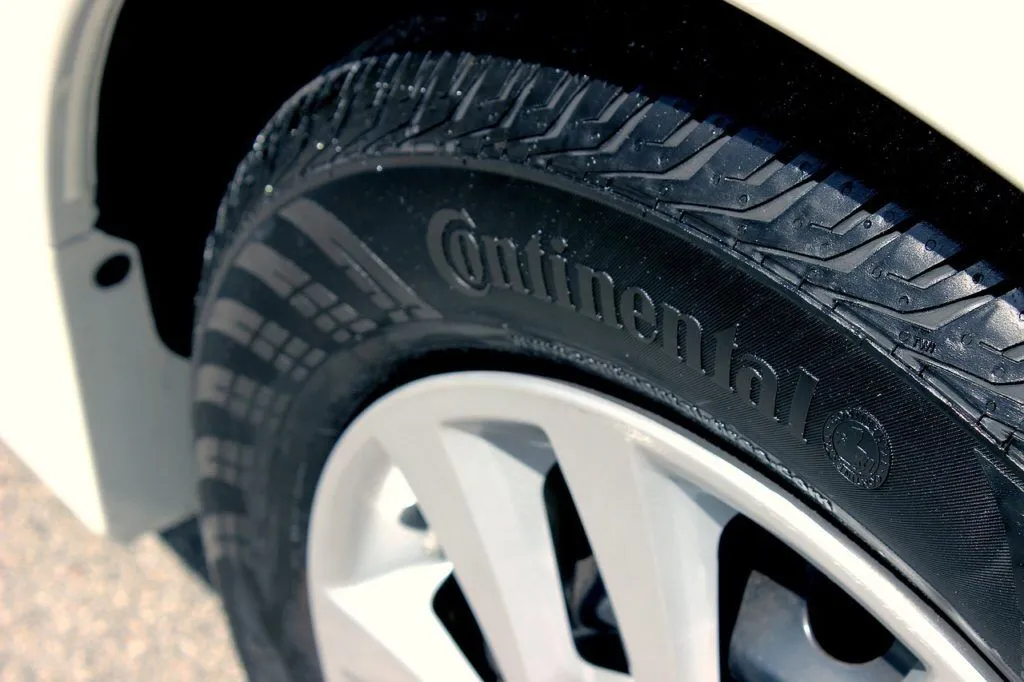
In addition to the size, load index, and speed rating, there are other markings on your tire that provide helpful information. These can include the following:
1. Tire Type
A letter may precede the size of the tire, indicating the type of tire. The most common types are:
- P: Passenger car tire
- LT: Light truck tire
- ST: Special trailer tire
Example: A tire with “P” before the size (e.g., P205/55R16) means it’s a passenger tire. If you see “LT” (e.g., LT245/75R16), it indicates a tire designed for light trucks.
2. Treadwear, Traction, and Temperature Ratings
Tires also have markings that indicate their treadwear, traction, and temperature ratings.
These ratings are part of the Uniform Tire Quality Grading (UTQG) system, which provides information on how well a tire performs in these areas.
- Treadwear: Measures the durability of the tire. A higher number indicates a longer-lasting tire.
- Traction: Rates the tire’s ability to stop on wet surfaces. A higher rating indicates better grip.
- Temperature: Indicates how well the tire dissipates heat. A higher rating means better heat resistance.
3. M+S (Mud and Snow)
If you see “M+S” on the tire, it means the tire is suitable for mud and snow conditions. This marking is often found on tires designed for winter or off-road driving.
How to Choose the Right Tire for Your Vehicle
When selecting tires, it’s important to choose the right size, load index, and speed rating to match your vehicle’s needs. Here are some tips to ensure you’re making the best decision:
1. Consult Your Vehicle’s Manual
The manufacturer will specify the correct tire size, load index, and speed rating for your vehicle. Always refer to the manual to ensure you’re choosing the right tires for your car.
2. Consider Your Driving Conditions
If you often drive in harsh weather conditions, such as snow, ice, or rough terrain, consider choosing tires with higher traction and durability ratings.
Similarly, if you drive a lot of long distances at high speeds, a tire with a higher speed rating may be more suitable.
3. Choose Tires Based on Usage
If you use your vehicle for commuting, you may want tires that offer comfort and low rolling resistance for fuel efficiency.
If you drive frequently on highways or at high speeds, opt for tires with higher speed ratings for safety and performance.
Frequently Asked Questions
1. What do the numbers on my tire mean?
The numbers on your tire indicate the tire’s width, aspect ratio, diameter, load index, and speed rating. Understanding these numbers helps you choose the right tire for your vehicle.
2. How do I know if my tires are the right size for my vehicle?
Check your vehicle’s manual for the recommended tire size. You can also find this information on the tire placard located on the driver’s side door frame or inside the glove compartment.
3. Can I use a tire with a lower speed rating?
It’s not recommended to use a tire with a lower speed rating than what is specified for your vehicle. Using tires with a lower speed rating may compromise your vehicle’s handling and safety at high speeds.
Conclusion
Understanding the numbers and markings on your tires is essential for choosing the right tires for your vehicle.
By knowing the tire size, load index, speed rating, and other important factors, you can ensure that you select tires that will provide the best performance, safety, and durability.
Whether you’re looking to replace worn-out tires or upgrade for better performance, always consult your vehicle’s manual and consider your driving conditions to make an informed choice.
