
When you start your car, it’s the spark plug that plays a crucial role in getting your engine running smoothly.
These small but mighty components are key to your car’s performance.
Wondering how they work and why regular maintenance is important? Keep reading to find out how spark plugs keep your vehicle at its best!
What does a spark plug do in an engine?
Spark plugs ignite the air-fuel mixture in your engine, helping it start and run smoothly. A well-functioning spark plug is key to good engine performance and fuel efficiency.
Key Takeaways
- Spark Plug Function: Spark plugs ignite the air-fuel mixture in the engine’s cylinders, powering your vehicle.
- Impact on Performance: A malfunctioning spark plug can lead to poor fuel efficiency, rough idling, and difficulty starting your car.
- Regular Maintenance: Spark plugs should be checked and replaced every 30,000 to 100,000 miles depending on the type of spark plug.
The Basic Role of a Spark Plug in Your Car’s Engine
At the heart of any internal combustion engine is a process that converts fuel into energy. This process requires a spark to ignite the air-fuel mixture inside the engine’s cylinders.
This is where spark plugs come into play. They create the spark that starts the ignition process.
How Spark Plugs Work
Spark plugs are installed in the engine’s cylinder head and are connected to the ignition system.
When you start your car, the ignition system sends an electrical charge to the spark plug.
This charge causes the spark plug to create a small spark, which ignites the air-fuel mixture in the cylinder.
Once the spark ignites the fuel, it creates a small explosion, which drives the piston down, powering the engine.
This cycle of ignition and combustion happens thousands of times per minute while the engine is running, providing the energy needed to move your car.
Why Are Spark Plugs Essential for Engine Performance?

While spark plugs may seem like a small component, they play a massive role in ensuring your car runs efficiently.
Without functioning spark plugs, your engine wouldn’t be able to produce the energy it needs to move, and your car would likely fail to start or run poorly.
1. Ignition of the Air-Fuel Mixture
The primary function of the spark plug is to create a spark that ignites the air-fuel mixture in the engine’s cylinders.
This ignition initiates the combustion process, which powers the engine and allows your vehicle to move.
Without spark plugs, the air-fuel mixture would remain unignited, and your engine would fail to start or run.
Spark plugs are essential for ensuring that the combustion process happens efficiently, producing the power necessary to drive your car.
2. Ensuring Proper Engine Timing
Spark plugs don’t just ignite the fuel—they also play a role in engine timing.
The spark plug ensures that the fuel is ignited at the precise moment during the engine’s cycle to ensure maximum efficiency.
If the spark plug fires too early or too late, it can lead to poor performance, knocking, or even engine damage.
Proper engine timing ensures that fuel is burned at the right time, optimizing fuel efficiency and performance.
3. Fuel Efficiency and Emissions Control
A healthy spark plug helps your vehicle achieve optimal fuel efficiency. If the spark plug is worn or malfunctioning, it can lead to incomplete combustion, which wastes fuel and increases emissions.
A good spark plug ensures that the fuel is burned cleanly and completely, maximizing your vehicle’s fuel economy and reducing harmful emissions.
What Happens When Spark Plugs Fail?
If a spark plug fails or becomes worn out, it can cause a variety of issues with your vehicle’s performance. Here are a few common symptoms of faulty or failing spark plugs:
1. Difficulty Starting the Car
One of the first signs that you may have a spark plug issue is difficulty starting the car.
Since spark plugs are responsible for igniting the fuel, a faulty spark plug will struggle to create the necessary spark, preventing the engine from starting.
2. Poor Fuel Efficiency
Worn-out spark plugs lead to inefficient fuel combustion, which can decrease your car’s fuel efficiency.
If you’ve noticed that your car is consuming more fuel than usual, it could be a sign that the spark plugs need to be replaced.
3. Rough Idling or Misfiring
Spark plugs that are in poor condition can cause your engine to misfire or idle roughly.
If you feel your car vibrating or the engine stuttering at low speeds, it could indicate that the spark plugs aren’t functioning properly.
Misfires occur when the spark plug fails to ignite the air-fuel mixture correctly, causing the engine to run erratically.
4. Decreased Engine Power
A malfunctioning spark plug can lead to decreased engine performance, meaning your car may feel sluggish or unresponsive when you press the gas pedal.
This happens because the spark plug isn’t firing correctly, which reduces the power being generated by the engine.
When Should You Need to Replace Your Spark Plugs?
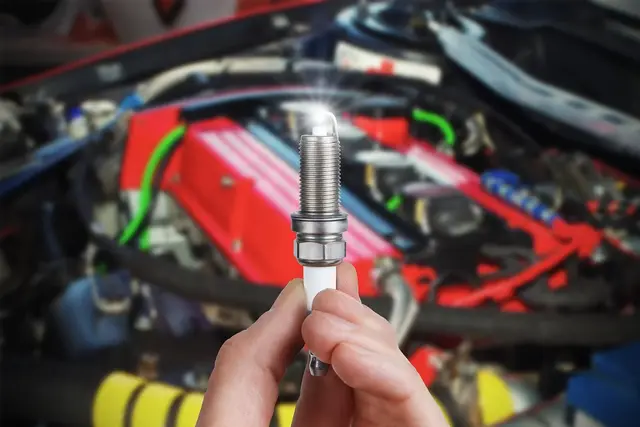
Spark plugs don’t last forever, and they need to be replaced periodically to ensure optimal engine performance.
The lifespan of a spark plug depends on the type of spark plug, the engine it’s used in, and the driving conditions.
On average, spark plugs should be replaced every 30,000 to 100,000 miles, though some modern spark plugs can last longer.
How to Tell When It’s Time for a New Spark Plug
- Engine misfires or rough idling
- Difficulty starting the vehicle
- Poor fuel economy
- Decreased acceleration or engine power
- Visible wear on the spark plug (such as corrosion or excessive carbon buildup)
If you notice any of these symptoms, it may be time to have your spark plugs checked and replaced.
How to Maintain Spark Plugs for Longevity
Maintaining spark plugs is crucial for ensuring they last as long as possible and perform at their best. Here are some tips for keeping your spark plugs in good condition:
1. Regular Inspections
While spark plugs are relatively low-maintenance components, it’s still important to have them checked periodically.
Regular inspections by a professional mechanic can help spot any issues before they become serious problems.
2. Replace Other Components as Needed
Sometimes, issues with spark plugs can be linked to other components of the ignition system, such as the ignition coil or wires.
If your spark plugs are worn, it’s a good idea to check and replace other components as well to ensure optimal performance.
3. Use the Right Type of Spark Plug
It’s essential to use the correct spark plugs for your vehicle.
Different engines require different spark plug types, and using the wrong one can cause poor performance or even engine damage.
Always refer to your car’s owner manual or consult with a professional to ensure you’re using the right spark plugs.
Frequently Asked Questions
1. What does a spark plug do in an engine?
A spark plug ignites the air-fuel mixture inside the engine’s cylinders, powering the engine and allowing your vehicle to move.
2. How do I know if my spark plugs need to be replaced?
Symptoms of bad spark plugs include engine misfires, rough idling, poor fuel efficiency, and difficulty starting the car.
3. How often should spark plugs be replaced?
Spark plugs should generally be replaced every 30,000 to 100,000 miles, depending on your vehicle and the type of spark plugs used.
Conclusion
Spark plugs are essential components that play a crucial role in your car’s ability to run smoothly.
They create the spark that ignites the fuel and ensures that your engine operates efficiently. When spark plugs are maintained or replaced regularly, they contribute to better performance, improved fuel efficiency, and a smoother driving experience.
Regular inspections and timely replacement can also save you from costly repairs in the long run.
