
The transmission is one of the most crucial components of a vehicle, yet it’s often misunderstood or overlooked.
It plays a pivotal role in making sure your car operates smoothly and efficiently while also helping drivers understand differences that often come up in an EV vs hybrid comparison.
In this blog, we’ll take a deeper dive into what the transmission does in a car, why it’s essential, the different types of transmissions, how it works, and how you can maintain it for optimal performance.
What Does the Transmission Do in a Car?
The transmission transfers power from the engine to the wheels, enabling smooth gear shifts. Learn about its function, types, and maintenance to ensure efficient driving and extend vehicle lifespan.
Key Takeaways:
- The transmission ensures the engine’s power is transferred efficiently to the wheels.
- Regular maintenance and fluid checks are essential for a long-lasting transmission.
- Timely repairs can prevent expensive transmission problems and improve your car’s performance.
What Is a Car Transmission?
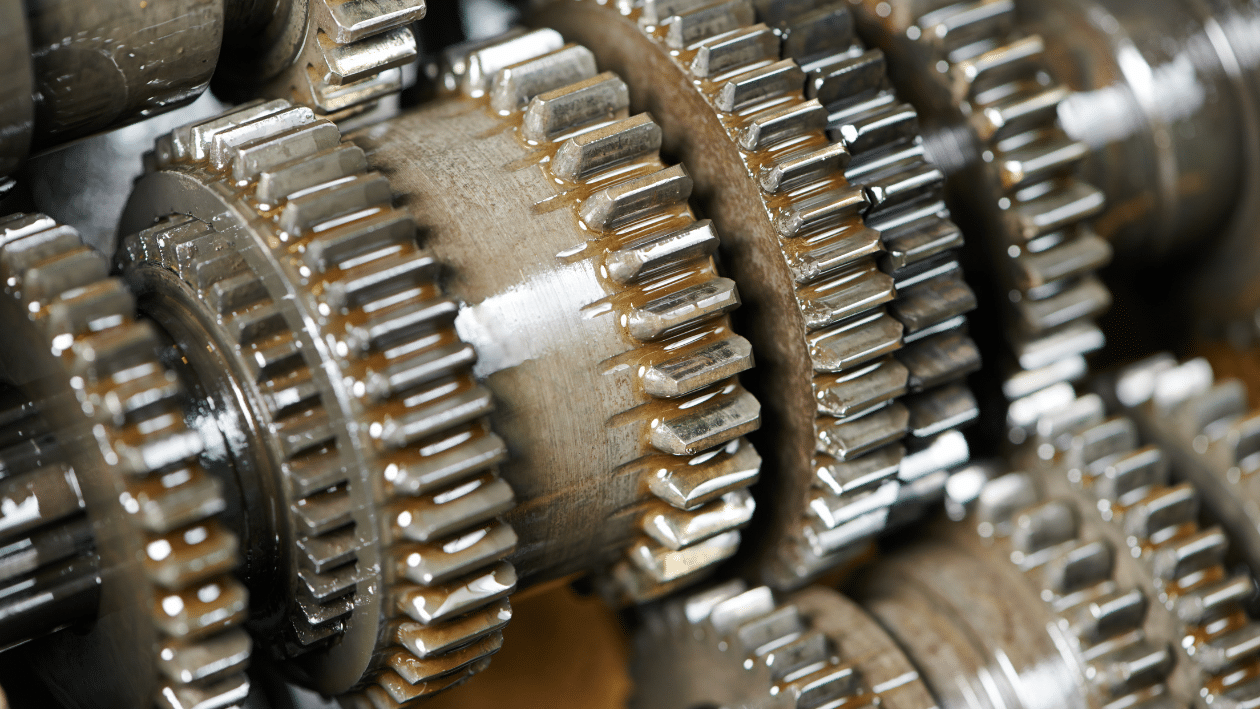
At its core, the transmission is a mechanical component that transfers power from the engine to the wheels of the car.
It’s responsible for ensuring that your vehicle can shift gears as needed, allowing it to adapt to different driving conditions.
When your transmission is doing its job right, it syncs seamlessly with the engine, clutch (in manuals), and differential. But just like throttle body cleaning in Monfort Heights keeps airflow smooth, these parts need to stay in top shape to keep your ride feeling right.
Why Is the Transmission Important?
Without a properly functioning transmission, your car would be unable to change gears, leading to inefficiency, poor performance, and eventually, total failure.
The transmission enables the engine to operate at different speeds, depending on the conditions and the driver’s needs.
It ensures that the car gets the right amount of power at the right time, whether you’re driving at a steady pace or need a burst of speed.
When your shifts start feeling clunky or delayed, it’s a sign something’s off inside the box. Getting quick gearbox repair in Erlanger KY can help restore smooth transitions and prevent bigger problems from sneaking up on you.
The transmission also affects fuel efficiency, emissions, and the overall driving experience.
A well-maintained transmission contributes to smooth acceleration, quiet driving, and better fuel economy. In short, it’s a critical element in the car’s ability to drive well.
How Does a Car Transmission Work?
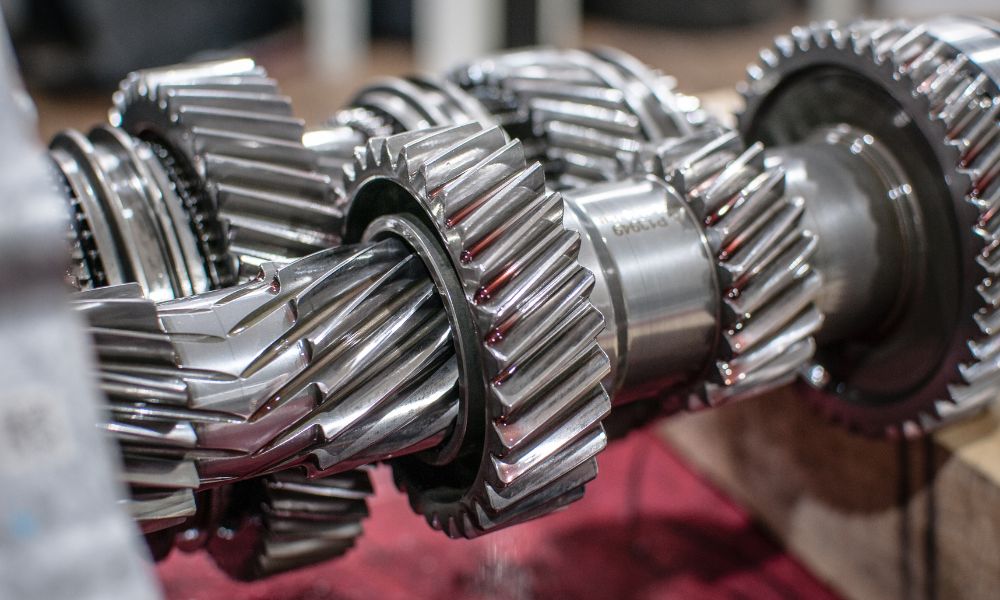
The function of the transmission can be broken down into a few basic tasks. To understand how it works, we need to look at the key components and how they interact:
The Engine: The engine generates power by burning fuel. However, the engine operates within a specific range of revolutions per minute (RPM).
The transmission ensures that the engine’s power is distributed to the wheels in the appropriate amount based on the current driving condition.
Clutch (Manual Transmission): In manual transmissions, the clutch is used to engage and disengage the engine from the transmission, allowing the driver to change gears.
When you press the clutch pedal, the engine power is cut off from the wheels, enabling the car to shift gears smoothly.
Gears and Gearset: The transmission contains a series of gears that control the car’s speed and torque.
When the car accelerates, the transmission shifts to higher gears, allowing the engine to turn faster and transfer more power to the wheels.
Conversely, when you slow down or need more power, the transmission shifts to lower gears, allowing the engine to operate more efficiently at lower speeds.
Torque Converter (Automatic Transmission): In an automatic transmission, the torque converter serves a similar function to the clutch.
It connects the engine to the transmission and helps to transfer power smoothly.
The torque converter automatically adjusts to changes in driving conditions, ensuring that the engine and transmission work in harmony.
Transmission Fluid: The transmission relies on a special fluid to lubricate its moving parts and maintain proper functioning.
Transmission fluid helps to reduce friction, prevent overheating, and maintain the pressure required for smooth gear shifts.
Types of Transmissions in a Car
There are several types of car transmissions, each with its advantages and disadvantages. Let’s take a look at the main types:
1. Manual Transmission: Total Control at Your Fingertips

A manual transmission, often referred to as a “stick shift,” gives the driver full control over the vehicle’s gears.
Using a clutch pedal and gear lever, the driver manually shifts gears depending on the driving conditions, offering a unique driving experience.
Advantages of Manual Transmission
Greater Control Over the Vehicle: The driver has full control over gear selection, which can be especially useful in situations like steep inclines or overtaking.
Engaging Driving Experience: For driving enthusiasts, manual transmissions offer a more hands-on experience and are often preferred for the joy of driving.
Better Fuel Efficiency: In some cases, manual transmissions can offer better fuel economy as the driver can optimize gear shifts.
Disadvantages of Manual Transmission
Requires More Effort and Attention: Shifting gears manually demands more focus and physical effort, especially in heavy traffic.
Less Convenient in Stop-and-Go Traffic: Continuous gear shifting can become tiring in urban settings with frequent stops.
2. Automatic Transmission: Convenience at Its Best

An automatic transmission allows the vehicle to shift gears on its own, without the driver having to manually control the clutch and gears.
It uses a system of sensors and hydraulics to adjust the gears based on factors such as speed and load.
Advantages of Automatic Transmission
Easier to Drive, Especially in Traffic: Automatic transmissions are ideal for city driving, offering a convenient driving experience with no need for manual gear shifting.
No Clutch Pedal: There’s no need to engage a clutch pedal, making it easier for drivers who may not be comfortable with manual transmissions.
Convenience for Most Drivers: Automatic transmissions offer a more relaxed driving experience, especially for beginners.
Disadvantages of Automatic Transmission
Less Fuel-Efficient: Generally, automatic transmissions are less fuel-efficient compared to manual ones due to the additional complexity of the system.
More Expensive to Repair: The complexity of automatic systems means that repairs are often costlier compared to manual transmissions.
3. CVT (Continuously Variable Transmission): Smooth and Efficient
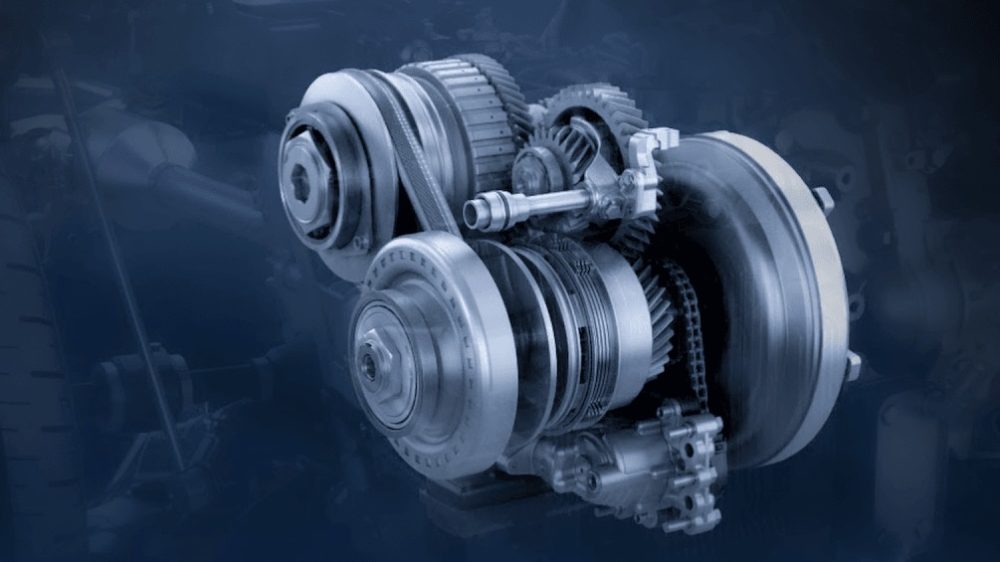
A CVT is a type of automatic transmission that uses a belt and pulley system to provide a seamless range of gear ratios, ensuring smooth acceleration.
Instead of traditional gear shifts, the CVT continuously adjusts to deliver an infinite range of gear ratios for optimal power and efficiency.
Advantages of CVT
Smoother Acceleration: Because there are no distinct gear shifts, acceleration feels smooth and uninterrupted.
Better Fuel Efficiency: CVTs often provide better fuel efficiency compared to traditional automatics by constantly adjusting to the optimal engine speed.
Disadvantages of CVT
Less Responsive: Some drivers find that CVTs can feel less responsive, especially during rapid acceleration or overtaking.
Higher Repair Costs: The unique technology behind CVTs can result in more expensive repairs when issues arise.
4. Dual-Clutch Transmission (DCT): Fast and Efficient
A dual-clutch transmission (DCT) combines the best aspects of both manual and automatic transmissions.
It uses two separate clutches—one for odd-numbered gears and another for even-numbered gears—allowing for faster gear shifts and enhanced performance.
Advantages of DCT
Faster Gear Shifts: With two clutches, the DCT can shift gears almost instantaneously, providing a more responsive and quicker driving experience.
Better Fuel Efficiency: Dual-clutch transmissions can be more fuel-efficient than traditional automatic transmissions due to their quicker shifts and optimized engine performance.
Disadvantages of DCT
Can Be Jerky at Low Speeds: At low speeds, such as in city driving, DCTs can sometimes feel jerky and less smooth compared to other transmissions.
Higher Repair Costs: Due to the complexity of the dual-clutch system, repairs are typically more expensive than for traditional automatic transmissions.
Common Transmission Problems
While transmissions are built to last, they can experience problems over time. Here are some common issues that can arise:
Slipping Gears: If the car is slipping out of gear while driving, it could be a sign of low fluid levels, worn-out parts, or internal transmission issues.
Delayed or Hard Shifting: If the car has trouble shifting into gear or takes longer than usual, it may be a sign of problems with the clutch, torque converter, or transmission fluid.
Unusual Noises: Grinding, whining, or clunking noises when shifting gears could indicate problems with the transmission components, such as worn-out gears or a faulty torque converter.
Check Engine Light: The check engine light may indicate a transmission issue if there’s a problem with the sensors, transmission fluid, or electronic components.
Burning Smell: A burning smell, particularly if it’s coming from the transmission, may indicate overheating or burnt transmission fluid. This can lead to permanent damage if not addressed quickly.
How to Maintain Your Transmission
Maintaining your transmission is crucial for the longevity of your vehicle. Here are some tips to keep your transmission running smoothly:
Check the Transmission Fluid Regularly: Ensure that the transmission fluid is at the proper level and is clean. If the fluid is low or dirty, it can cause the transmission to overheat or malfunction.
Change the Transmission Fluid: Depending on the manufacturer’s recommendations, change the transmission fluid regularly. Fresh fluid helps lubricate the transmission components, reducing wear and tear.
Don’t Overload Your Car: Overloading your vehicle can put extra strain on the transmission. Avoid carrying excessive loads or towing more than your car’s rated capacity.
Drive Smoothly: Avoid aggressive driving, such as sudden acceleration or hard braking. Smooth, gradual driving will help protect your transmission from unnecessary strain.
Have Regular Inspections: Regular maintenance checks will help identify transmission issues early before they lead to costly repairs.
Signs You Need to Repair or Replace Your Transmission
If you notice any of the following signs, it may be time to have your transmission checked by a professional:
Slipping Gears: If your car suddenly changes gears on its own or has trouble staying in gear, the transmission may need attention.
Noisy Shifting: If the car makes strange noises when shifting, such as grinding or whining, it could indicate problems with the transmission components.
Poor Acceleration: If your car is sluggish when you try to accelerate, it could be a sign that the transmission is failing to provide enough power to the wheels.
Fluid Leaks: If you notice puddles of red or brown fluid under your car, it could indicate a leak in the transmission system.
Warning Lights: A check engine light or transmission warning light could signal an issue with the transmission.
At URBS Garage, we provide transmission repair services in Finneytown for those who may need them. We also provide oil change services for vehicles like Toyota, check engine light services, and auto electrical repair in Finneytown.
Frequently Asked Questions
1. How often should I check my transmission fluid?
Transmission fluid should be checked regularly, ideally every 30,000 miles or as recommended by your vehicle’s manufacturer. Low or dirty fluid can cause transmission problems.
2. What are the signs of a failing transmission?
Signs include slipping gears, delayed shifting, strange noises, poor acceleration, fluid leaks, and warning lights on the dashboard.
3. How much does it cost to repair a transmission?
Transmission repairs can vary in cost depending on the issue. Minor repairs may cost a few hundred dollars, while a full transmission replacement can cost several thousand dollars.
Conclusion
The transmission is a vital component of your vehicle, responsible for ensuring that the power from the engine is efficiently transferred to the wheels.
Understanding how your transmission works and the different types available can help you maintain it and identify issues early. Whether you have a manual, automatic, CVT, or dual-clutch transmission, proper care and attention will ensure that your transmission performs optimally for years to come.
Regular maintenance, including checking fluid levels, changing transmission fluid, and driving smoothly, can significantly extend the lifespan of your transmission. If you experience any signs of transmission trouble, it’s important to address them promptly to avoid costly repairs.
By maintaining your transmission and addressing any issues early on, you can enjoy a smooth, reliable ride for many miles to come.
