
A timing chain ensures your engine runs smoothly by synchronising the camshaft and crankshaft.
If it breaks, it can cause severe engine damage.
In this guide, we’ll explain the symptoms of a broken timing chain, what happens when it fails, and how to prevent costly repairs by catching issues early.
What happens when a timing chain breaks?
When a timing chain breaks, the engine stops running, and you may hear loud noises. This can cause significant internal damage, such as bent valves or piston damage, requiring expensive repairs.
Many drivers search for solutions like engine rebuilding near me monfort heights when facing this type of damage.
Key Takeaways
- A timing chain failure can lead to severe engine damage, including bent valves and broken pistons.
- Symptoms of a broken timing chain include unusual engine noises, misfiring, and trouble starting.
- Regular maintenance and timely replacement of the timing chain can prevent catastrophic damage.
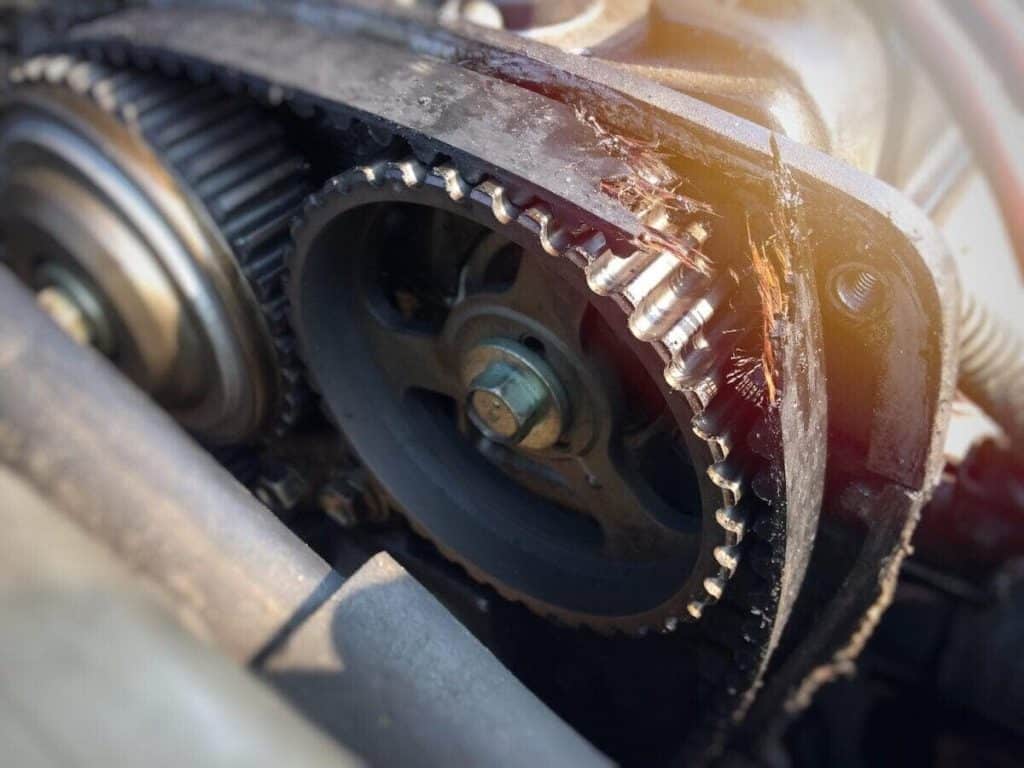
What Is a Timing Chain?
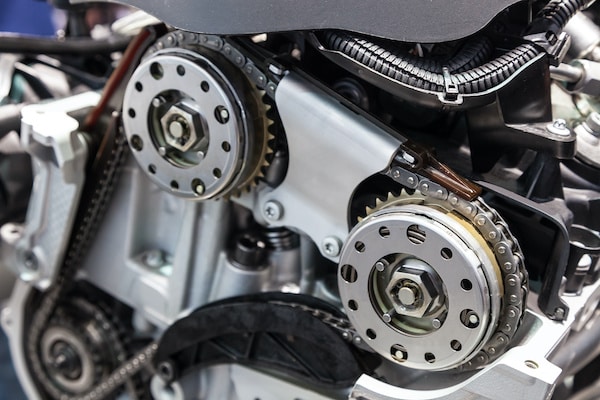
The timing chain is part of your car’s engine timing system. It connects the crankshaft to the camshaft, synchronising the movement of the pistons and valves.
The camshaft controls the opening and closing of the engine’s valves, while the crankshaft moves the pistons up and down.
The timing chain ensures that these components work in sync, so the engine runs smoothly.
Unlike a timing belt, which requires periodic replacement, the timing chain is typically built to last much longer.
However, like any part of a car, the timing chain can wear out or break over time, particularly if not properly maintained.
The Consequences of a Broken Timing Chain
If the timing chain breaks while the engine is running, the consequences can be severe.
The timing chain keeps your engine’s components perfectly in sync, and any disruption can cause serious damage. A failing timing chain may cause a rattling or slapping sound, giving you an early clue before things get worse.
Here are some of the potential issues caused by a broken timing chain:
Engine Misalignment
When the timing chain breaks, the camshaft and crankshaft become misaligned.
This means that the valves may open and close at the wrong times, causing the pistons to collide with the valves.
This is particularly common in interference engines, where the pistons and valves occupy the same space at different times.
Result: Bent or broken valves, damaged pistons, and severe engine damage can occur. The engine may seize, making it impossible to restart without extensive repairs.
Complete Engine Failure
In the worst-case scenario, a broken timing chain can lead to a complete engine failure.
If the chain breaks while the engine is running, parts such as the pistons, valves, and camshaft can become damaged or destroyed.
In some cases, the engine may need to be completely replaced or rebuilt.
Result: A complete engine failure is an expensive repair and may require replacing the entire engine, especially if the damage is beyond repair.
Oil Pump Failure
The timing chain is also responsible for driving the oil pump in many vehicles.
If the chain breaks, the oil pump may stop working, resulting in a lack of oil circulation throughout the engine.
Result: Without proper oil circulation, the engine can quickly overheat, causing additional damage to the engine components.
Symptoms of a Broken Timing Chain
Recognising the signs of a failing timing chain early can help prevent further damage. Some symptoms of a broken or damaged timing chain include:
Unusual Engine Noises
One of the first signs of a timing chain problem is unusual engine noise. A broken timing chain may cause a rattling or slapping sound, especially when starting the car or accelerating.
This sound occurs because the chain has become loose or is no longer functioning properly.
Tip: If you hear strange noises coming from your engine, it’s important to have it inspected immediately to avoid further damage. Similar to checking what to do after replacing crankshaft sensor, early action can save you from bigger repair bills.
Engine Misfire
If the timing chain is broken or stretched, the engine may misfire.
This happens because the camshaft and crankshaft are no longer working in sync, causing the engine’s valves to open and close at the wrong times.
A misfire can cause rough idling, loss of power, and poor fuel efficiency.
Tip: If your engine starts misfiring, especially when accelerating, it’s a sign that something is wrong with the timing system.
Difficulty Starting the Car
A broken timing chain can also make it difficult to start the car. If the chain has broken or is severely worn, the engine may fail to start because the valves are not operating correctly.
In some cases, the engine may turn over but not start at all.
Tip: If your car struggles to start or fails to start, it’s important to have the timing system checked right away.
Check Engine Light
A broken timing chain may trigger the check engine light on your dashboard.
The vehicle’s computer system detects the misalignment of the camshaft and crankshaft, signalling a malfunction.
Tip: If the check engine light comes on, have your car scanned for diagnostic trouble codes (DTCs) to determine if the timing chain is the issue.
Frequently Asked Questions
1. How do I know if my timing chain is broken?
Signs of a broken timing chain include unusual engine noises, engine misfires, difficulty starting the car, and the check engine light turning on.
2. Can I drive with a broken timing chain?
It is not recommended to drive with a broken timing chain. Continuing to drive can cause severe engine damage and result in a complete engine failure.
3. How much does it cost to replace a timing chain?
Replacing a timing chain can cost anywhere from $500 to $2,500, depending on your vehicle’s make and model. If the engine is damaged, an engine replacement could cost more.
Conclusion
A broken timing chain can cause serious engine damage, so it’s crucial to address any symptoms promptly.
Regular maintenance, such as oil changes and inspections, can help prevent timing chain failure.
If you suspect that your timing chain is broken, stop driving the vehicle and contact a professional mechanic.
With proper care and timely repairs, you can extend the life of your timing chain and keep your engine running smoothly for years to come.
