
Accidentally putting diesel in a gas engine can create immediate stress for drivers, especially once they learn how damaging misfueling can be. The diesel in gas engine repair cost depends on how quickly the issue is caught, how far the vehicle was driven, and how much internal damage occurred. When diesel flows through a gasoline system, it affects injectors, fuel pumps, sensors, and even the engine itself if the contamination spreads. Understanding what determines repair costs helps drivers make informed decisions and avoid higher expenses.
Gas In Diesel Engine Repair Cost: Why It Can Be High
When diesel enters a gasoline engine, the entire fuel system is at risk. What starts as a simple mistake can turn into a costly repair if the wrong fuel circulates. Drivers often search for gas in diesel engine repair costs because prices vary widely.
Below are common factors that increase the overall expense:
- Fuel tank removal and cleaning
- Fuel line and fuel rail flushes
- Injector cleaning or replacement
- Fuel pump repair or replacement
- Engine diagnostics to check internal damage
- Labor required to drain and reset the system
These steps require expertise and time, which is why drivers should seek professional help immediately.
If you are in Kentucky and need specialized diesel diagnostics or repairs, you can visit diesel engine repair in Burlington KY for expert assistance.
If your vehicle has fuel contamination issues, scheduling a professional diesel engine repair service can prevent further engine damage and costly breakdowns.
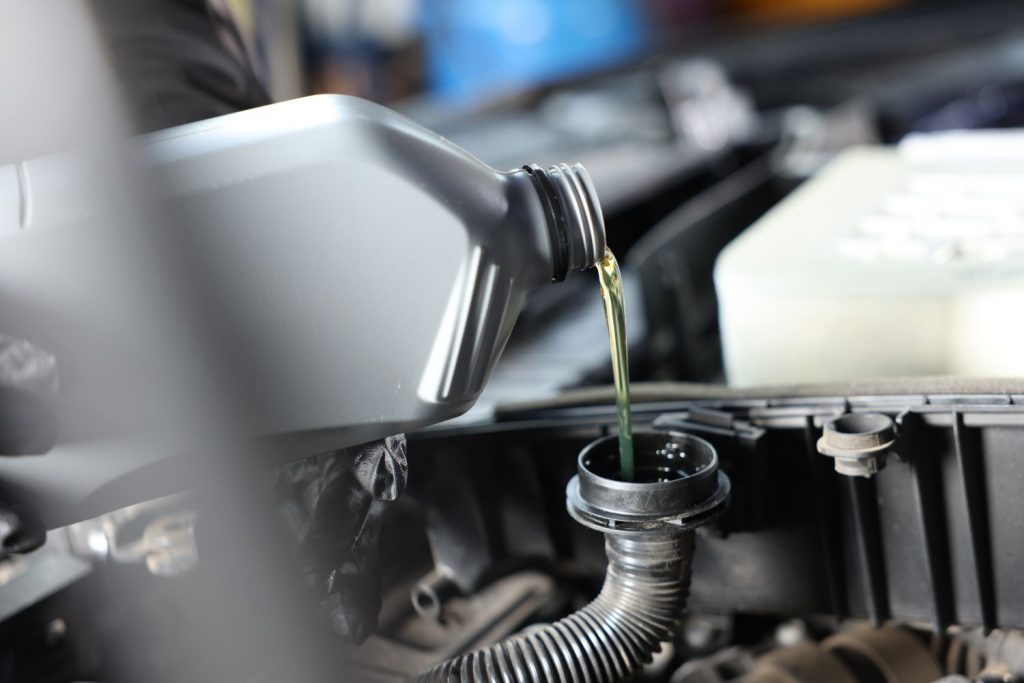
Diesel vs Gas: How These Engines React to Misfueling
Understanding diesel vs gas engines is important when diagnosing contamination. Both engine types work differently, and the wrong fuel can lead to issues unique to each system.
Here is how gasoline engines react to diesel contamination:
- Diesel does not ignite properly in a gas engine
- The fuel becomes too thick for injectors
- Misfires and rough idle occur quickly
- Catalytic converters can be damaged
- Sensors read inaccurate combustion levels
Gas engines are more sensitive to diesel exposure, making fast repairs essential.
Diesel Engine Maintenance: Why the Wrong Fuel Is So Harmful
Even though diesel engines are known for durability, they are still sensitive to fuel quality. Diesel engine maintenance requires careful oversight, and misfueling interrupts the entire combustion process.
Putting diesel in a gas car creates problems such as:
- Thick fuel clogging injector tips
- Blocked fuel filters
- Corrosion inside fuel components
- Increased load on the fuel pump
- Premature wear of critical engine parts
When these issues stack up, the diesel in gas engine repair cost increases quickly.
If your vehicle requires expert attention after fuel system issues, scheduling trusted Ford diesel repair services in Finneytown can help prevent long-term engine damage.
Why Diesel Contamination Raises Repair Costs
Diesel contamination happens when diesel enters a gasoline system and causes damage before the driver realizes the mistake. Even a small amount of diesel affects performance.
Common results of diesel contamination include:
- Engine stalling
- Struggling to accelerate
- White smoke from exhaust
- Strong fuel odor
- Hard starting
Technicians often must disassemble and clean multiple components, which increases labor time and overall cost.
What Happens When Diesel Flows Through Gasoline Components
Gasoline engines rely on fast vaporizing fuel. Diesel is thicker and slower to burn. When diesel flows through a gasoline engine, it clings to surfaces and clogs mechanical parts.
Parts often affected include:
- Fuel injectors
- High pressure pump
- Fuel lines
- Fuel rail
- Catalytic converter
Replacing or cleaning these parts contributes to the final repair cost.
Driving After Misfueling: How It Increases the Cost
One of the biggest cost factors is whether the driver started or drove the car after adding diesel. Driving forces fuel through the entire system and multiplies the damage.
If the vehicle was started, repair steps may include:
- Complete fuel system flush
- Injector replacement
- O2 sensor cleaning or replacement
- Pump damage inspection
- Catalytic converter evaluation
If the car was driven for several miles, costs can increase dramatically because internal engine components may need repairs or replacement.
Early Diagnostics Can Reduce the Total Cost
The sooner the contamination is diagnosed, the lower the diesel in gas engine repair cost tends to be. Early detection may limit repairs to minor draining and flushing.
Benefits of early diagnostics include:
- Preventing injector wear
- Avoiding catalytic converter failure
- Reducing contamination spread
- Lowering labor costs
- Protecting long term engine health
Most drivers save significant money when they stop the vehicle immediately and tow it to a shop instead of driving.
Auto Diagnostics: The Key to Accurate Cost Assessment
Auto diagnostics help technicians determine how far diesel traveled within the system. Modern diagnostic tools check sensors, combustion balance, engine temperature, and fuel pressure to find hidden damage.
A full diagnostic may include:
- Fuel pressure testing
- Injector flow analysis
- OBD code scanning
- Exhaust emission evaluation
- Combustion chamber inspection
Accurate diagnostics prevent unnecessary repairs and give drivers clarity before approving the work.
Replacement Parts and Labor: Major Cost Drivers
Replacement parts can significantly increase repair costs, especially when damage reaches critical components.
Common replacement parts in misfueling repairs include:
- Injectors
- Fuel pump
- Fuel lines and filters
- Spark plugs
- Sensors
- Catalytic converter
Labor costs also rise when technicians need to remove and clean hard-to-reach areas or drop the fuel tank for cleaning.
When To Call a Diesel Engine Repair Specialist
Not all auto shops specialize in misfueling repairs. Engines affected by contamination need technicians who understand fuel system behavior and diesel vs gas interaction.
Situations that require a specialist include:
- Severe engine knocking
- Strong smoke from exhaust
- Vehicle failing to start
- Fuel pump noise
- Repeated stalling
For complex diesel contamination issues, local drivers can rely on URB’S Garage for expert diagnostics and professional repair support.
Conclusion
Putting diesel in a gas engine is a frustrating mistake, but understanding what affects the repair cost helps drivers stay prepared. The diesel in gas engine repair cost depends on how fast the issue is caught, how far the vehicle was driven, and which components were damaged. Early diagnostics, professional guidance, and proper repairs can prevent long term damage and keep costs manageable. For accurate testing and dependable repair service, drivers trust URB’S Garage to get their vehicles back on the road safely.
FAQs
1. Why does fixing diesel in a gas engine tend to be expensive?
Costs rise because multiple fuel system components may need flushing, cleaning, or replacing, especially if the car was driven.
2. What parts usually get damaged when diesel is added to a gasoline engine?
Injectors, fuel pumps, filters, sensors, and catalytic converters are the most commonly affected.
3. Does driving the car after misfueling increase the repair cost?
Yes. Driving spreads diesel through the entire system and causes more damage, raising labor and parts costs.
4. Can repairs be cheaper if the issue is diagnosed early?
Early detection often limits repairs to draining the tank and flushing the lines, greatly reducing expenses.
5. Does insurance ever cover diesel in gas engine repairs?
Some policies may cover misfueling under accidental damage, but coverage varies by provider.
Read Similar: Diesel in Gas Engine Problems and How to Fix Them.
