
When a vehicle begins slipping gears, hesitating while shifting, or leaking fluid, many drivers start asking an important question: what is a transmission rebuild? Transmission issues often feel overwhelming because they affect how your vehicle moves and performs every day.
Ignoring these problems can lead to breakdowns and higher repair costs. Understanding what a rebuild involves helps you decide whether it is the right solution for your vehicle. This guide explains the rebuild process in clear, simple terms so you know exactly what to expect.
Understanding how a transmission works
A transmission is a complex system inside your vehicle that transfers power from the engine to the wheels. The transmission assembly contains gears, clutches, bands, seals, and sensors that work together to control speed and torque.
When internal components wear down or fail, transmission problems begin to appear. At that point, a technician must determine whether a rebuild, repair, or replacement is the best option.
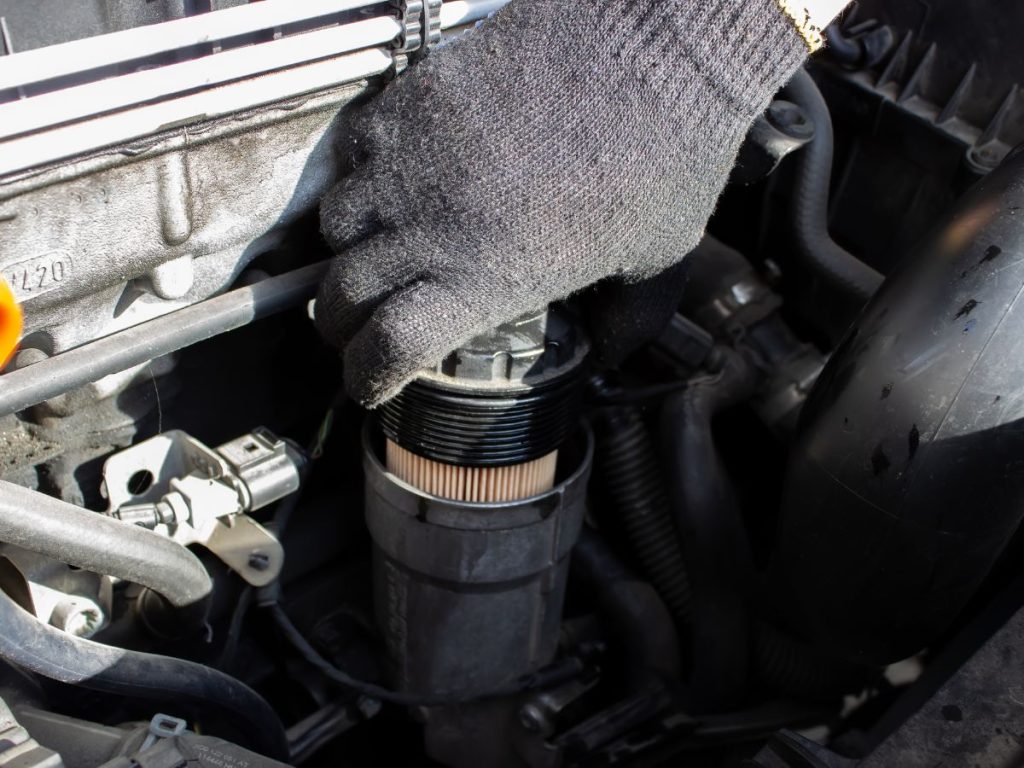
What happens at a transmission rebuild shop
A professional transmission rebuild shop follows a structured process to restore the transmission’s function. This is not a simple repair. A rebuild involves disassembling the transmission completely and inspecting each internal component.
Initial inspection and diagnostics
Technicians begin with Auto Diagnostic testing to confirm the cause of the problem. This includes checking fluid condition, scan data, and mechanical symptoms. Once internal damage is confirmed, the transmission is removed from the vehicle.
Step by step transmission rebuild service
A complete transmission rebuild service includes multiple stages to ensure reliability and performance.
1. Transmission removal
The transmission is carefully removed from the vehicle for detailed inspection.
2. Full disassembly
The unit is taken apart piece by piece so every component can be examined.
3. Cleaning and inspection
All parts are cleaned and inspected for wear, cracks, or damage.
4. Parts replacement
Worn components are replaced using a transmission rebuild kit, which typically includes seals, gaskets, friction plates, and bearings.
5. Reassembly
The transmission is rebuilt using precise measurements and manufacturer specifications.
6. Fluid replacement
Fresh transmission fluid is added to ensure proper lubrication and cooling.
7. Testing and adjustment
Once installed, the transmission is tested and adjusted for smooth operation.
This process restores function without requiring a new transmission.
Transmission rebuild near me and why location matters
Many drivers search for a transmission rebuild near me because experience and equipment matter. A rebuild requires specialized knowledge, tools, and attention to detail.
Choosing a local shop with trained technicians helps ensure faster turnaround times and accurate service. URB’S Garage provides professional support at trusted locations, including transmission repair in burlington ky and Auto transmission repair service in monfort heights, where skilled teams handle complex transmission work.
Which parts are replaced during a rebuild
During a rebuild, only worn or damaged parts are replaced. This is what makes rebuilding more cost effective than full replacement in many cases.
Commonly replaced components include
- Seals and gaskets
- Clutch packs
- Bands
- Bearings
- Bushings
- Filters
- Worn gears
The torque converter may also be inspected or replaced depending on condition.
Transmission rebuild cost factors
The transmission rebuild cost varies based on several factors. Understanding these helps set realistic expectations.
Key cost factors
- Extent of internal damage
- Vehicle make and model
- Type of transmission
- Labor time
- Parts availability
Rebuilds generally cost less than replacing the entire transmission assembly, especially when damage is limited.
Automatic transmission vs manual transmission rebuilds
An automatic transmission rebuild is more complex than manual systems due to hydraulic components and electronics. Manual transmissions often have fewer internal parts, making them simpler and less expensive to rebuild.
If you want to explore the manual process in detail, you can read how to rebuild a manual transmission for a deeper breakdown.
Rebuild vs replacement comparison
Drivers often wonder if rebuilding is better than replacement.
When a rebuild makes sense
- Damage is limited
- Transmission housing is intact
- Vehicle is still in good condition
- Cost savings are a priority
When replacement may be better
- Severe internal damage
- Metal contamination throughout the unit
- Cracked transmission casing
- Multiple previous failures
A professional Car Repair evaluation helps determine the right choice.
Warranty coverage on rebuilt transmissions
Many rebuild services include warranty protection. Coverage length depends on the shop and parts used. A reputable Auto Repair provider explains warranty details clearly so you know what is covered.
Warranty coverage adds peace of mind and protects your investment after repairs are complete.
Signs your transmission may need a rebuild
Knowing the early warning signs helps prevent complete failure.
Common symptoms include
- Slipping gears
- Rough or delayed shifting
- Burning smell
- Leaking fluid
- Grinding or whining noises
- Warning lights
If these issues appear, early inspection can reduce overall repair costs.
Why professional rebuild specialists matter
A transmission rebuild specialist has the training and experience needed to restore complex systems accurately. Improper rebuilds can lead to repeat failures and additional damage.
Professional rebuilds focus on long term reliability, safety, and proper performance, especially for vehicles used daily.
Choosing URB’S Garage for transmission rebuild services
URB’S Garage provides expert transmission diagnostics, rebuilds, and repairs using proven processes and trained technicians. Their teams focus on accuracy, transparency, and customer confidence.
You can explore services, locations, and repair options anytime through URB’S Garage.
Conclusion
So, what is a transmission rebuild? It is a detailed repair process that restores worn internal components and extends the life of your transmission without replacing the entire unit. A rebuild can be a reliable and cost effective solution when damage is addressed early and performed by skilled professionals.
Understanding the rebuild process helps you make informed decisions and avoid unnecessary expenses.
FAQ
1. What does a transmission rebuild include?
A rebuild includes disassembly, inspection, cleaning, replacement of worn parts, reassembly, new fluid, and testing.
2. Which transmission parts are typically replaced during a rebuild?
Seals, gaskets, bearings, clutch packs, bands, and filters are commonly replaced.
3. How long does a transmission rebuild usually take?
Most rebuilds take several days depending on parts availability and complexity.
4. Is a transmission rebuild covered by warranty?
Many rebuilds include warranty coverage, though terms vary by provider.
5. How do I know if my transmission needs a rebuild?
Persistent slipping, delayed shifting, fluid leaks, or warning lights often indicate rebuild needs.
