Car accidents happen, and when they do, knowing how to handle the repairs is key, especially if you’re searching for reliable car collision repair erlanger services after an accident.
Collision repair involves fixing damage from crashes, whether it’s a dented bumper or major frame work.
In this guide, we’ll explain what collision repair includes, the services you might need, and the steps to get your car back to looking and running like it did before the accident.
What is collision repair?
Collision repair involves fixing damages caused by accidents, such as dents, scratches, or frame damage. It restores your car’s appearance and functionality, ensuring safety on the road.
Key Takeaways
- Collision repair includes bodywork, frame repairs, and paint restoration following an accident.
- The repair process involves various steps such as inspection, disassembly, and painting.
- Choosing the right collision repair shop is essential for ensuring the safety and integrity of your vehicle.
What Does Collision Repair Include?
Collision repair is the process of fixing a vehicle that has sustained damage from a collision. This damage can range from minor scratches to major structural issues.
The goal of collision repair is to restore the car to its original condition, ensuring that it is both functional and safe to drive. Many drivers rely on auto collision repair Burlington specialists to ensure repairs are completed to proper safety standards and manufacturer specifications.
There are several different aspects of collision repair, and the services you require will depend on the extent of the damage.
If you’re dealing with anything beyond a fender bender, it’s worth finding trusted collision repair in Burlington KY that knows how to bring your ride back to life. Local pros can tackle everything from frame straightening to paint matching without missing a beat.
Below are the common types of services involved in collision repair:
Bodywork and Dent Removal
Bodywork repair is often the most visible and common type of collision repair. This includes fixing dents, dings, and scratches caused by the impact of a collision.
Depending on the severity of the damage, bodywork can range from simple dent removal to more extensive work that requires replacing parts of the car’s body.
Dent Removal: Small dents and scratches can often be fixed using paintless dent repair (PDR) techniques.
This involves gently massaging the metal from the back to remove the dent without damaging the paint.
Panel Replacement: In more severe cases, entire panels may need to be replaced. This can involve replacing doors, bumpers, hoods, and fenders.
Frame Repair
In some collisions, the frame of the vehicle may become bent or misaligned. Frame repair is essential to ensure the vehicle’s structure is sound and safe.
A damaged frame can affect the alignment of the wheels and other key components, leading to long-term issues with handling and safety.
Unibody Repair
Many modern vehicles are built with unibody construction, which means the frame and body are one piece.
In these cases, frame repair may involve specialized tools and equipment to align and straighten the body.
Traditional Frame Repair
For older vehicles with separate frames, traditional frame repair involves using hydraulic equipment to straighten the frame back to its original shape.
Paint Restoration
After the bodywork and frame repairs are complete, the vehicle will likely require repainting.
The paint is not just for aesthetics it also serves as a protective layer for the car’s metal parts, preventing rust and corrosion.
Paint restoration involves matching the car’s original colour and applying a smooth, even finish.
Colour Matching
Professional collision repair shops use advanced technology to match the paint precisely to the car’s original colour, ensuring a seamless blend between the new and old paintwork.
Clear Coat Application
After the paint is applied, a clear coat is typically added to provide a glossy finish and protect the paint from UV damage and wear.
The Collision Repair Process
The collision repair process can vary depending on the extent of the damage, but it generally follows these steps:
Step 1: Damage Assessment
The first step in the collision repair process is a thorough inspection of the vehicle to assess the extent of the damage.
This includes checking the body, frame, and internal components. The technician will also determine if any parts need to be replaced.
Insurance Estimates
If you’re filing an insurance claim, the repair shop will work with your insurer to provide an estimate for the repairs.
The repair shop may also assist you with the paperwork to make the claims process smoother.
Step 2: Disassembly
Once the damage has been assessed, the repair process can begin. The car will be disassembled to allow the technicians to access the damaged parts.
This might involve removing panels, bumpers, or even the car’s interior, depending on the damage.
Step 3: Structural Repairs
If the frame or other structural components are damaged, this will be addressed before moving forward with the bodywork.
For severe damage, this could involve straightening the frame or replacing components like the suspension system.
Step 4: Bodywork and Paint
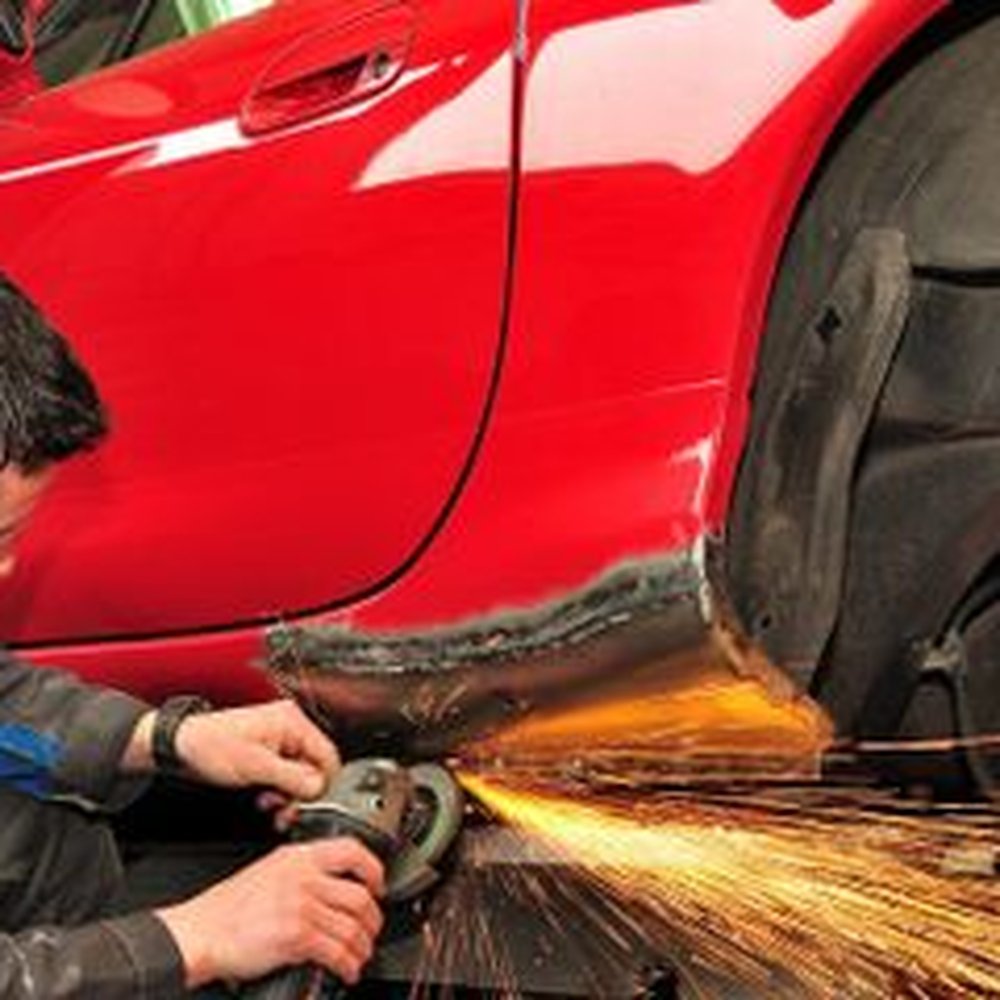
After structural repairs are complete, the next step is to handle the bodywork. Dents and scratches will be removed, and any necessary panels will be replaced.
Once the bodywork is completed, the vehicle will be prepped for painting, including sanding, priming, and applying the new paint.
Step 5: Reassembly and Final Inspections
Once the repairs and painting are finished, the vehicle will be reassembled, and any parts that were removed will be put back into place.
The vehicle will then undergo a final inspection to ensure everything is functioning properly and meets safety standards.
Frequently Asked Questions
1. How long does collision repair take?
The time needed for collision repair depends on the severity of the damage. Minor repairs may take a few days, while more extensive repairs could take up to a week or longer.
2. Will insurance cover the cost of collision repair?
In most cases, insurance will cover the cost of collision repair if the accident was covered by your policy. Be sure to check with your insurance company to understand your coverage and deductible.
3. Can I drive my car while it’s being repaired?
It’s generally not recommended to drive a car while it’s being repaired, especially if it’s undergoing structural or mechanical repairs. Check with your repair shop for advice on whether your car is safe to drive during the repair process.
Conclusion
Collision repair is an essential process that ensures your car is restored to its original condition after an accident.
Whether it’s minor bodywork, frame repair, or a full paint job, understanding what’s involved in the repair process can help you make informed decisions when the time comes.
By selecting a reliable repair shop, taking care of your vehicle, and following the proper steps, you can ensure your car is safe, functional, and looks as good as new.
