Small engine repair involves maintaining, troubleshooting, and fixing smaller engines found in tools like lawnmowers, chainsaws, and generators.
These engines require regular upkeep to stay in good working condition.
In this article, we’ll explain what small engine repair is, why it’s important, and the common services needed to keep your equipment running smoothly.
What is small engine repair?
Small engine repair involves fixing engines typically found in lawn mowers, snow blowers, and other small machinery. It can include troubleshooting, part replacement, and tune-ups.
Key Takeaways
- Small engine repair involves fixing and maintaining small gas-powered engines used in tools like lawnmowers and generators.
- Regular maintenance can extend the life of your small engine equipment and prevent costly repairs.
- Common repairs include spark plug replacement, carburetor cleaning, and fuel system repairs.
Why is Small Engine Repair Important?
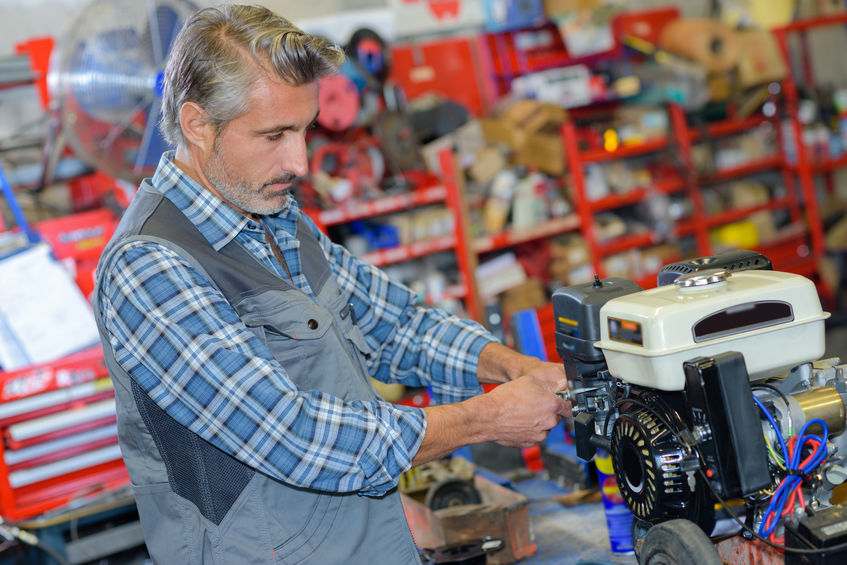
When you rely on small engines for everyday tasks, whether it’s mowing the lawn or cutting firewood, keeping those engines in good working order is essential.
Small engine repair ensures that your equipment runs efficiently and avoids unexpected breakdowns.
Without proper maintenance or repairs, small engines can suffer from issues such as poor performance, fuel inefficiency, or even complete failure.
Regular maintenance and repairs can also save you money in the long term.
Small engine repair refers to the maintenance, troubleshooting, and repair of smaller engines typically found in equipment like lawnmowers, chainsaws, generators, and other outdoor power tools.
These engines are usually gas-powered and come in various sizes, but they all share the need for periodic maintenance and repair.
We will explore what small engine repair is, why it’s important, and the common services involved in keeping your equipment running smoothly.
Catching problems early can prevent more expensive issues down the road and help you avoid having to replace your equipment entirely.
Common Types of Small Engines
Before diving into the specifics of repair, it’s helpful to understand the types of small engines commonly found in outdoor equipment.
Small engines are typically classified by the size of their displacement, measured in cubic inches or litres.
1. Gasoline Engines
Gasoline engines are the most common type of small engine, powering equipment like lawnmowers, snowblowers, and portable generators.
These engines are usually four-stroke or two-stroke engines and require regular oil changes, spark plug maintenance, and fuel system repairs.
2. Diesel Engines
Diesel engines are typically found in larger or more heavy-duty equipment, such as agricultural machinery or commercial generators.
While not as common as gasoline engines, they are known for their fuel efficiency and power.
3. Electric Engines
Electric engines are increasingly popular in smaller power tools, such as electric chainsaws and drills.
These engines are generally lower-maintenance since they don’t require fuel, oil, or spark plugs, but they do still require some attention to ensure optimal performance.
Common Small Engine Repairs
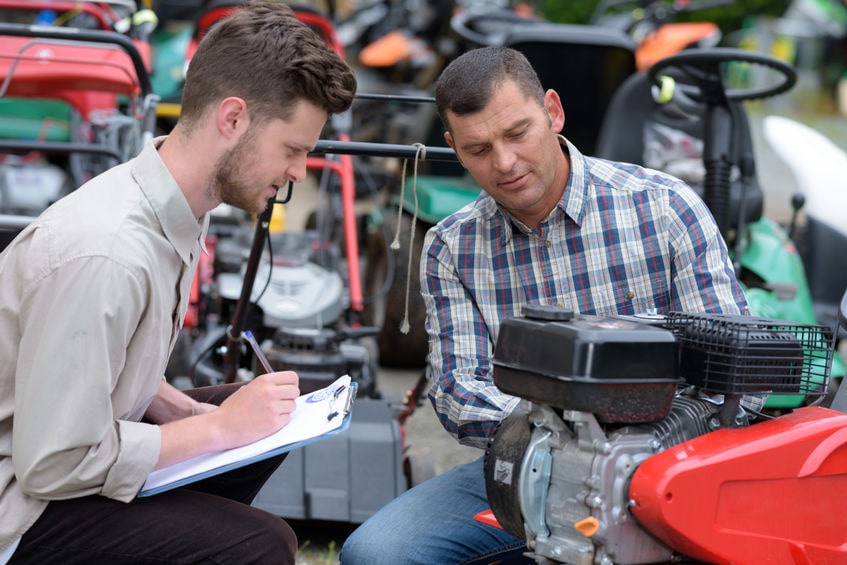
Small engine repairs vary depending on the issue, but there are several common repairs and maintenance tasks that technicians routinely handle.
1. Spark Plug Replacement
Spark plugs are essential for igniting the fuel in your engine, and over time, they can become dirty, corroded, or worn out.
If your small engine is having trouble starting or running smoothly, a simple spark plug replacement could do the trick.
How to do it: To replace a spark plug, you’ll need to remove the old plug with a spark plug wrench and install a new one. Be sure to use the correct spark plug for your engine type.
2. Carburetor Cleaning
A dirty or clogged carburetor is a common cause of poor engine performance. When the carburetor gets dirty, the engine may start but run rough or fail to start at all.
How to do it: Cleaning the carburetor typically involves removing it from the engine, disassembling the components, and using a carburetor cleaner to clear out dirt and debris.
In some cases, the carburetor may need to be rebuilt or replaced.
3. Fuel System Repairs
Over time, fuel lines and filters can become clogged, leading to poor engine performance.
If your engine isn’t starting or is running erratically, it could be due to a clogged fuel line or a dirty fuel filter.
How to do it: Inspect the fuel lines for any visible cracks or clogs and replace them if necessary. Cleaning or replacing the fuel filter will ensure that the engine is getting the proper fuel supply.
4. Oil Change
Like all engines, small engines require regular oil changes to keep them running smoothly. Old or dirty oil can cause the engine to overheat and wear out faster.
How to do it: To change the oil in a small engine, drain the old oil, replace the oil filter (if applicable), and add fresh oil as recommended by the manufacturer.
5. Air Filter Replacement
A clogged air filter restricts airflow to the engine, reducing its efficiency and performance. Replacing a dirty air filter is a quick and easy way to boost engine performance.
How to do it: Remove the air filter cover, take out the old filter, and replace it with a new one. Be sure to clean or replace the filter regularly, especially if you use the equipment frequently.
The Importance of Regular Maintenance
Just like any machine, small engines need regular maintenance to ensure that they continue to run effectively.
Performing routine maintenance can prevent many common issues and increase the lifespan of your equipment.
1. Seasonal Maintenance
If you live in an area with distinct seasons, it’s a good idea to perform maintenance on your small engine equipment before and after each season.
For example, clean and inspect your lawnmower before the start of the spring season, and perform maintenance on your snowblower before winter.
2. Annual Inspections
Even if you don’t use your small engine equipment often, it’s important to give it an annual check-up.
This can involve checking the fuel system, spark plugs, air filter, and oil levels to ensure that everything is in good working order.
When to Call a Professional for Small Engine Repair

While some small engine repairs are simple enough for a DIY fix, there are times when it’s best to call in a professional.
If you encounter any of the following situations, it may be time to seek help from an experienced technician:
1. Complex Mechanical Issues
If your engine has a more serious mechanical problem, such as a broken part inside the motor or issues with the internal components, it’s best to call a professional.
They can diagnose the issue and repair it effectively.
2. Lack of Experience
If you’re not familiar with small engine repair or lack the necessary tools and knowledge, it’s best to let a professional handle the repair.
Trying to fix a complex issue without the right expertise can lead to further damage.
3. Regular Maintenance Needs
If you’re unable to keep up with regular maintenance or don’t have the time to handle it yourself, hiring a professional for routine maintenance can save you time and help avoid bigger issues in the future.
How to Prevent Small Engine Problems
The best way to avoid expensive repairs is to perform regular maintenance and follow proper usage guidelines. Here are some preventative steps you can take:
1. Use High-Quality Fuel
Using low-quality or stale fuel can cause a range of problems, including carburetor issues and poor engine performance.
Always use fresh, high-quality fuel and, if possible, treat it with a stabiliser for storage.
2. Clean Your Equipment Regularly
Dirt and debris can accumulate on your small engine, causing it to overheat or work inefficiently. Clean your equipment after each use to keep it in good condition.
3. Store Equipment Properly
When the season ends, store your equipment in a dry, cool place, away from the elements. Cover your equipment to protect it from dust, dirt, and moisture.
Frequently Asked Questions
1. How often should I change the oil in my small engine?
It’s recommended to change the oil in your small engine every 50 to 100 hours of use, or once a year, whichever comes first.
2. Why is my small engine not starting?
If your small engine isn’t starting, check the fuel, spark plugs, air filter, and carburetor. If these parts are clogged or damaged, they may need to be cleaned or replaced.
3. How do I know if my small engine needs repair?
Signs that your small engine may need repair include poor performance, difficulty starting, unusual noises, and visible damage to components like the spark plug or fuel lines.
Conclusion
Small engine repair is essential for ensuring that your lawnmowers, generators, and other outdoor equipment continue to operate efficiently.
By performing regular maintenance, understanding common repairs, and knowing when to call a professional, you can extend the life of your small engine equipment and keep it running smoothly for years to come.
Whether you choose to tackle minor repairs yourself or hire a professional, keeping your small engine in top shape will save you time and money in the long run.
