
Finding a nail in your tire can be frustrating and stressful. It can affect your safety and lead to costly repairs if not dealt with quickly.
While a nail doesn’t always mean you need to replace the tire, knowing how to handle it is important.
This guide will walk you through what to do if you find a nail in your tire, including when to repair it and when to seek professional help.
What should I do if there’s a nail in your tire?
If you spot a nail in your tire, don’t ignore it! Get it checked by a professional. They’ll assess if it can be patched or if you need a full tire replacement to keep your ride safe.
Key Takeaways
- If you find a nail in your tire, don’t panic. The first step is to inspect the damage and determine if it can be repaired.
- Minor punctures, especially in the tread area, are often repairable. However, larger or sidewall punctures may require tire replacement.
- Acting quickly can save you money and prevent further damage to your tire or vehicle.
Assess the Situation: Is the Tire Still Inflated?
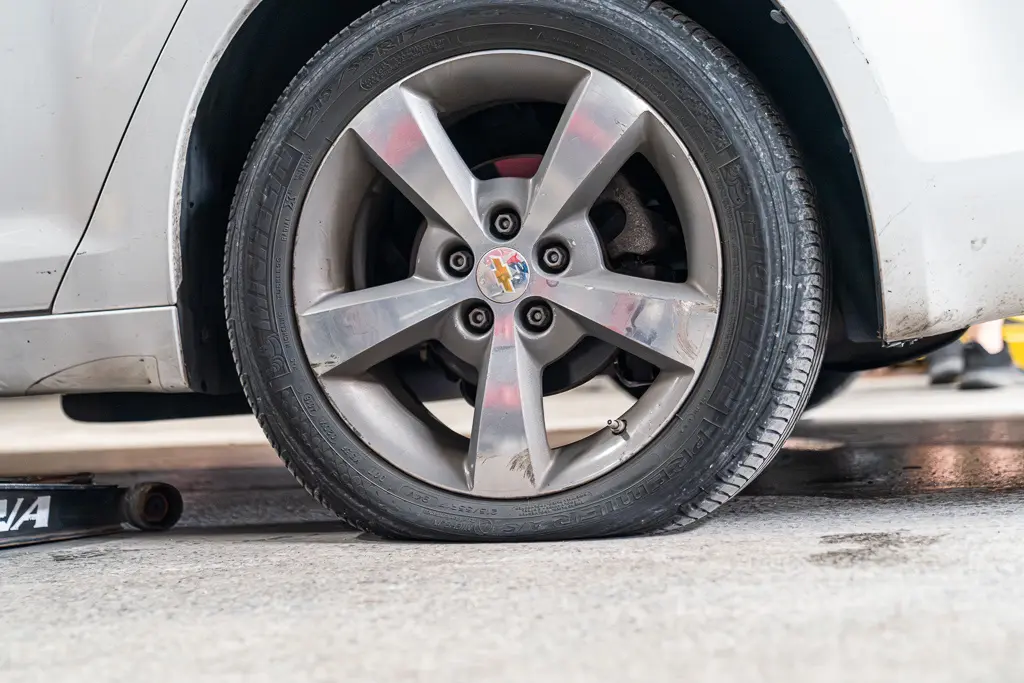
The first thing you should do after discovering a nail in your tire is to check if the tire is still inflated.
Finding a nail in your tire can be a frustrating and stressful experience.
Not only does it jeopardize your ability to drive safely, but it can also lead to expensive repairs if not addressed promptly.
While a nail in your tire doesn’t always mean you need to replace it, knowing how to handle the situation is crucial.
We’ll walk you through the steps to take if you discover a nail in your tire, including when to repair it and when to seek professional help.
Sometimes, a puncture may cause slow air loss, while other times it might lead to immediate deflation.
1. Check for Air Loss
If the tire is still inflated, you can proceed to assess the situation further. You’ll want to avoid driving long distances on the flat or under-inflated tire, as this can lead to further damage.
Tip: If your car has a tire pressure monitoring system (TPMS), the system should alert you when the tire is losing pressure.
If you don’t have TPMS, check the tire with a manual gauge or visually inspect it for signs of deflation.
2. Assess the Severity of the Puncture
If you discover a nail or other object lodged in your tire, you need to assess the size of the puncture and its location.
Minor punctures in the tread area (the central part of the tire that touches the road) can typically be repaired.
However, punctures near the sidewall or on the shoulder of the tire are generally not repairable and may require a replacement.
Tip: If the nail is embedded at an angle or is larger than ¼ inch, it’s best to have the tire professionally inspected.
3. Temporary Measures to Take
If the tire is still inflated but you’re unsure about driving on it, there are a few temporary measures you can take to reduce the risk of further damage.
4. Avoid Driving on the Flat Tire
If you suspect there is a puncture, the best thing to do is avoid driving the vehicle. Driving on a flat or under-inflated tire can cause irreparable damage, especially to the tire’s sidewalls.
5. Use a Tire Sealant (In Some Cases)
In some situations, a temporary tire sealant can be used to seal small punctures and allow you to drive to the nearest tire repair shop.
Tire sealants are available in aerosol cans and are designed to seal punctures temporarily.
Tip: Sealants can work for small punctures but should only be used in an emergency. They can also make tire repairs more difficult for professionals, so it’s best to take the tire to a shop as soon as possible.
6. Use a Spare Tire
If the puncture is significant and you’re unable to repair it yourself, the safest option is to replace the damaged tire with a spare.
Be sure to follow your vehicle’s instructions for properly installing the spare and driving with it.
Can You Repair a Tire With a Nail in It?
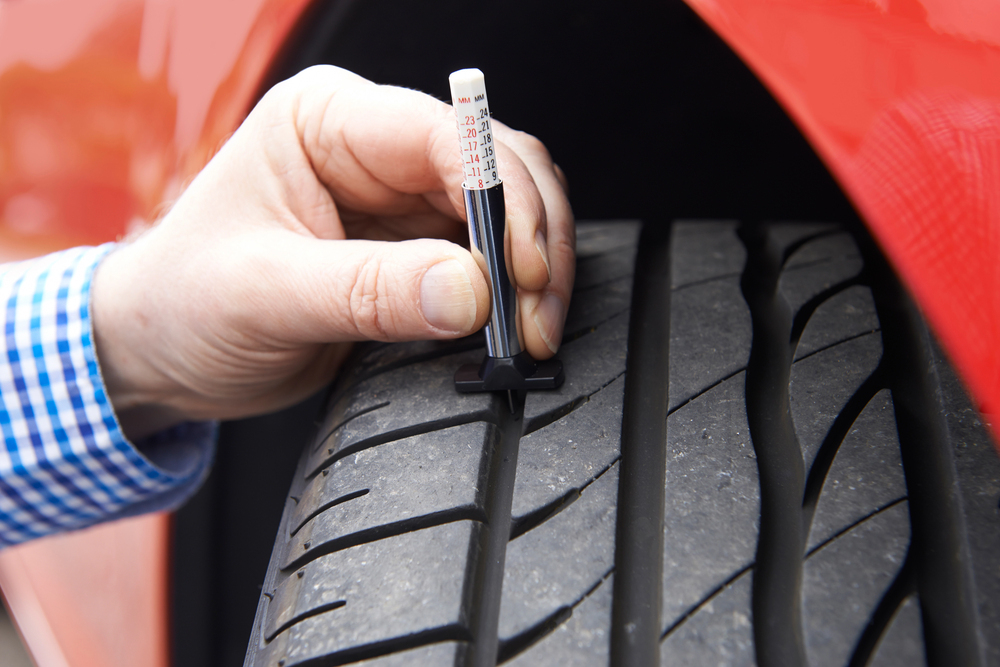
In many cases, a tire with a nail in it can be repaired, but it depends on the location and size of the puncture.
Tire repair shops can patch or plug small punctures in the tread area, but there are limitations to what can be repaired.
1. Tire Plug
A tire plug is a temporary solution where a rubber plug is inserted into the puncture hole to seal it. This is a quick fix but isn’t always the most reliable for long-term use.
Tip: A tire plug can work well for small punctures but should be used only as a temporary fix. It’s always best to get the tire professionally patched or replaced.
2. Tire Patch
A tire patch involves removing the tire from the rim, cleaning the puncture area, and applying a rubber patch on the inside.
This type of repair is more permanent than a plug and is typically more reliable for long-term use.
Tip: A professional repair shop will use this method if your tire is repairable. It’s important to let a professional handle this to ensure the patch is applied correctly.
3. When Not to Repair a Tire
If the nail has caused a large puncture (more than ¼ inch), or if it’s located on the sidewall or shoulder of the tire, repair isn’t recommended. In these cases, the tire should be replaced.
Additionally, if the tire has already been repaired multiple times, it may no longer be safe to repair it again.
When Should You Replace the Tire?
In some situations, replacing the tire is the best option. Here are the circumstances when you should consider replacing the tire:
1. Large Punctures
If the puncture is large or the nail has created a hole too big to be repaired, the tire will need to be replaced.
A tire with a large puncture will not hold air properly, and attempting to repair it may result in further damage.
2. Sidewall or Shoulder Damage
If the nail has punctured the sidewall or shoulder of the tire, it’s unsafe to repair.
The sidewall bears much of the load and stress during driving, and any compromise in this area could cause the tire to fail.
3. Multiple Repairs
If your tire has already been patched or plugged multiple times, it may be best to replace it.
A tire that has been repaired more than once may not provide the same level of safety and reliability.
How to Prevent Nail Punctures in the Future
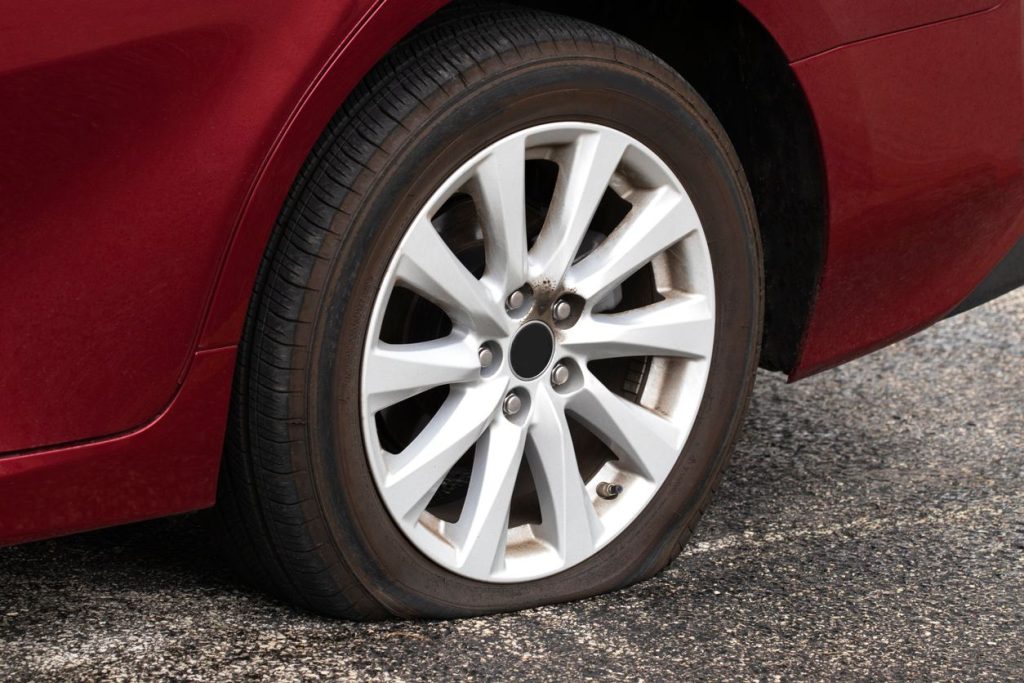
While you can’t completely eliminate the risk of a nail puncture, there are steps you can take to reduce the likelihood of it happening:
1. Drive Cautiously
Avoid driving over debris or objects on the road that could potentially cause a puncture. Be mindful of construction zones or areas where nails and sharp objects are commonly found.
2. Inspect Tires Regularly
Check your tires regularly for any signs of damage, such as bulges, cracks, or embedded objects.
Early detection can help you catch punctures before they cause significant damage.
3. Install Tire Protection
Consider installing tire protectors, which are materials that can help prevent punctures from nails and other debris. These products are available at many auto parts stores.
Frequently Asked Questions
1. Can a nail in my tire be repaired?
Yes, most nails in the tire can be repaired if the puncture is small and located in the tread area. Larger punctures or sidewall damage will require a replacement.
2. How much does it cost to repair a tire with a nail in it?
Repairing a tire with a nail typically costs between $10 and $30, depending on the type of repair and the shop. Some repair shops may offer free repairs if the nail is in an accessible location.
3. Can I drive with a nail in my tire?
If the tire is still holding air and the puncture is small, you may be able to drive to a repair shop. However, avoid driving long distances on a compromised tire to prevent further damage.
Conclusion
Finding a nail in your tire doesn’t have to be a major headache.
By assessing the damage, using temporary fixes if needed, and getting professional repairs when necessary, you can ensure that your tire stays in good condition.
If the damage is too severe, replacing the tire is the safest option.
Regularly checking your tires for damage and driving carefully can help prevent punctures and keep your vehicle in top shape.
