
Changing your vehicle’s air filter is key to keeping your engine running smoothly.
A properly installed air filter blocks harmful particles from entering, but did you know the direction of installation matters?
In this guide, we’ll walk you through the correct steps to ensure your vehicle’s performance stays at its pea
How do you install an air filter properly?
Installing an air filter is simple. Just ensure the airflow arrow points the right way, insert it snugly into place, and you’re good to go!
Key Takeaways
- Correct Installation: Ensuring the air filter is installed in the correct direction improves engine performance.
- Signs of Poor Installation: Incorrect air filter installation can lead to engine inefficiency, reduced fuel economy, and performance issues.
- Easy DIY Process: Installing an air filter is a simple process that can be done by anyone with a little guidance.
Understanding the Role of the Air Filter
Before we jump into the installation process, it’s important to understand the role the air filter plays in your vehicle. While the engine air filter prevents dirt and debris from entering the engine, the cabin air filter is responsible for filtering the air that comes into the passenger compartment. Understanding the difference between air filter and cabin air filter helps ensure both your engine and interior air quality are properly maintained.
The air filter ensures that clean air flows into the engine, preventing contaminants from causing damage.
It traps dust, dirt, and other harmful particles that could clog the engine components, ensuring the engine runs smoothly and efficiently.
Importance of Air Filter Maintenance
An unclean or clogged air filter can severely affect your engine’s performance, leading to issues such as reduced fuel efficiency, poor acceleration, and difficulty starting.
Replacing the air filter is an easy and affordable way to improve engine health and avoid expensive repairs.
A properly installed air filter also enhances the overall air-to-fuel ratio, improving combustion efficiency, and ultimately, increasing your vehicle’s fuel economy.
Which Way Should Install Your Air Filter?
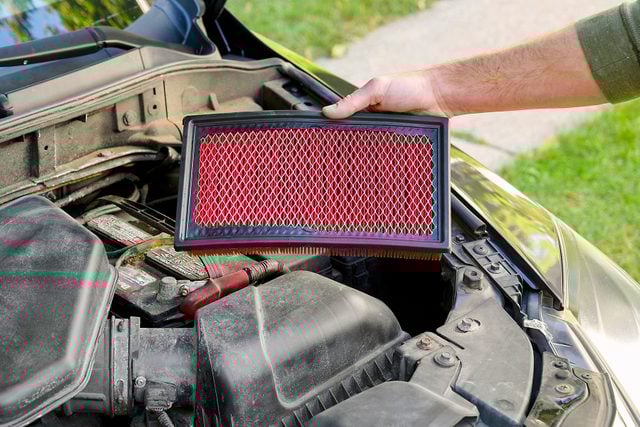
This is the most common question when it comes to installing a new air filter. The direction in which you install the air filter is crucial. Let’s look at the key things to remember:
1. Look for Arrows on the Filter
Many air filters come with arrows printed on the side of the filter, indicating the direction of airflow.
These arrows are your guide to installing the filter in the right direction.
The arrow should point towards the engine because air flows from the outside of the vehicle into the engine. Make sure the airflow direction is aligned with the engine intake.
2. The Clean Side vs. Dirty Side
The side of the air filter exposed to the engine is called the clean side, while the side that faces outward, towards the environment, is called the dirty side.
The clean side is the one that should be installed facing the engine’s intake, as the air is filtered through the material before entering the engine.
3. Incorrect Installation Effects
Installing the filter incorrectly—especially with the airflow arrow pointing the wrong way—can cause poor engine performance and reduced fuel efficiency.
Not only that, but you could risk air leakage, which will let unfiltered air enter the engine, potentially causing long-term damage.
How to Install an Air Filter: A Step-by-Step Guide
Now that we know the importance of proper installation, let’s walk through the step-by-step process of installing an air filter.
Step 1: Gather the Necessary Tools
Before you begin, make sure you have everything you need to get the job done:
- Replacement air filter that is compatible with your vehicle
- Screwdrivers or socket wrench (if necessary to remove the air filter box cover)
- Clean cloth or gloves (to keep things tidy and avoid transferring dirt to the engine)
Step 2: Locate the Air Filter Housing
Most vehicles have their air filter located in a plastic air filter housing near the engine. This is typically easy to access in most cars.
For some vehicles, you may need to remove the engine cover or other panels to expose the air filter housing.
Step 3: Remove the Old Air Filter
Once you have located the air filter housing, remove any clips or screws that hold the cover in place.
After removing the cover, carefully take out the old air filter. Be mindful of any debris or dirt that may fall into the intake system.
You may want to clean the housing before installing the new filter to ensure that no dirt remains.
Step 4: Check the Air Filter Orientation
Before installing the new air filter, take a look at the arrows or labels on the filter that indicate the airflow direction.
Be sure to position the filter with the arrows pointing toward the engine.
Step 5: Install the New Air Filter
Place the new air filter into the housing. Make sure it fits snugly and doesn’t leave any gaps.
The filter should sit evenly in its slot. Press it down gently to ensure it’s fully seated. Check the alignment to confirm that the arrows are pointing in the correct direction.
Step 6: Close the Housing and Secure It
Once the air filter is in place, replace the housing cover. Secure it with the screws or clips you removed earlier.
Make sure the cover is tightly sealed to prevent unfiltered air from entering the engine.
Step 7: Test the Vehicle
After replacing the air filter and securing the housing, start the engine and listen for any unusual noises.
A well-installed air filter should not cause any engine sounds or issues. You can also check the engine performance while driving, looking out for improvements in acceleration and smoothness.
Correct positioning helps airflow, but following a proper engine air filter replacement schedule ensures long-term engine health.
Signs You Need to Replace Your Air Filter
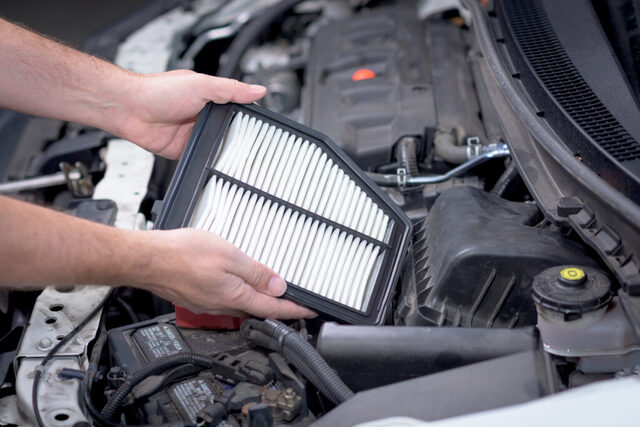
While knowing how to install an air filter is important, it’s also crucial to know when it’s time for a replacement.
Here are some signs that your air filter needs changing:
- Reduced fuel efficiency: If you notice that your fuel consumption is higher than usual, it could be due to a clogged or dirty air filter.
- Poor acceleration: A lack of power during acceleration is another indicator of a dirty air filter.
- Check engine light: In some vehicles, a dirty air filter can trigger the check engine light.
- Engine misfires: If your engine is running rough or stalling, it may be because the air filter is blocked and preventing airflow.
When to Replace Your Air Filter
Replacing your air filter is a relatively simple task, but it’s important to do it at regular intervals to keep your engine running smoothly.
Most car manufacturers recommend changing your air filter every 12,000 to 15,000 miles, but this can vary depending on your driving habits and conditions.
For example, if you drive in dusty areas or frequently drive off-road, you may need to replace the filter more often.
When it comes to maintaining your vehicle, changing the air filter is one of the most important tasks to ensure its optimal performance.
An air filter prevents dirt, debris, and harmful particles from entering your engine, allowing it to run smoothly.
However, even if you have the right air filter, you must install it properly to get the best results.
Knowing which way to install an air filter can make a significant difference in your engine’s efficiency and longevity.
Frequently Asked Questions
1. How do I know if the air filter is installed correctly?
The air filter should be installed with the arrows pointing towards the engine to ensure proper airflow. Double-check the alignment and fit before securing the cover.
2. Can I clean my air filter instead of replacing it?
Some air filters are reusable and can be cleaned with a special air filter cleaner. However, if your filter is too clogged or damaged, it’s better to replace it entirely.
3. Is installing an air filter something I can do myself?
Yes! Installing an air filter is a simple DIY task that requires no special skills. With the right tools and instructions, you can easily replace it at home.
Conclusion
Properly installing an air filter is a crucial step in ensuring your vehicle runs efficiently.
By following the correct installation direction and ensuring a snug fit, you’ll protect your engine from debris and maintain optimal performance.
Replacing the air filter is an affordable, easy task that can have a big impact on your car’s fuel efficiency, engine power, and overall longevity.
Take a few minutes to check and replace your air filter, and you’ll not only improve your car’s performance but also save on long-term maintenance costs. Wondering how much to replace a cabin air filter? Typically, it ranges from $30 to $70, depending on the vehicle model and whether you do it yourself or have it done professionally.
Remember, a little attention to detail now can lead to big rewards in the future.
