Few things are more frustrating than getting into your car, pressing the brake pedal, and discovering it’s locked while the car refuses to start. This situation can leave you feeling stuck and unsure of what to do.
Understanding why this happens and how to address it is essential to get your car back on the road quickly and safely. This blog will explore the common causes, solutions, and prevention tips for a locked brake pedal and a car that won’t start.
Why Is My Brake Pedal Locked and Car Won’t Start?
A locked brake pedal and a car that won’t start are often caused by a dead battery, faulty brake switch, or ignition system problems.
Key Takeaways
- Common Causes: Dead batteries, faulty ignition switches, or issues with the brake system.
- Simple Fixes: Check battery health, ensure the vehicle is in the correct gear, and inspect the brake pedal for mechanical issues.
- When to Seek Help: Persistent issues require professional diagnostics to avoid further damage.
Why Is My Brake Pedal Locked?
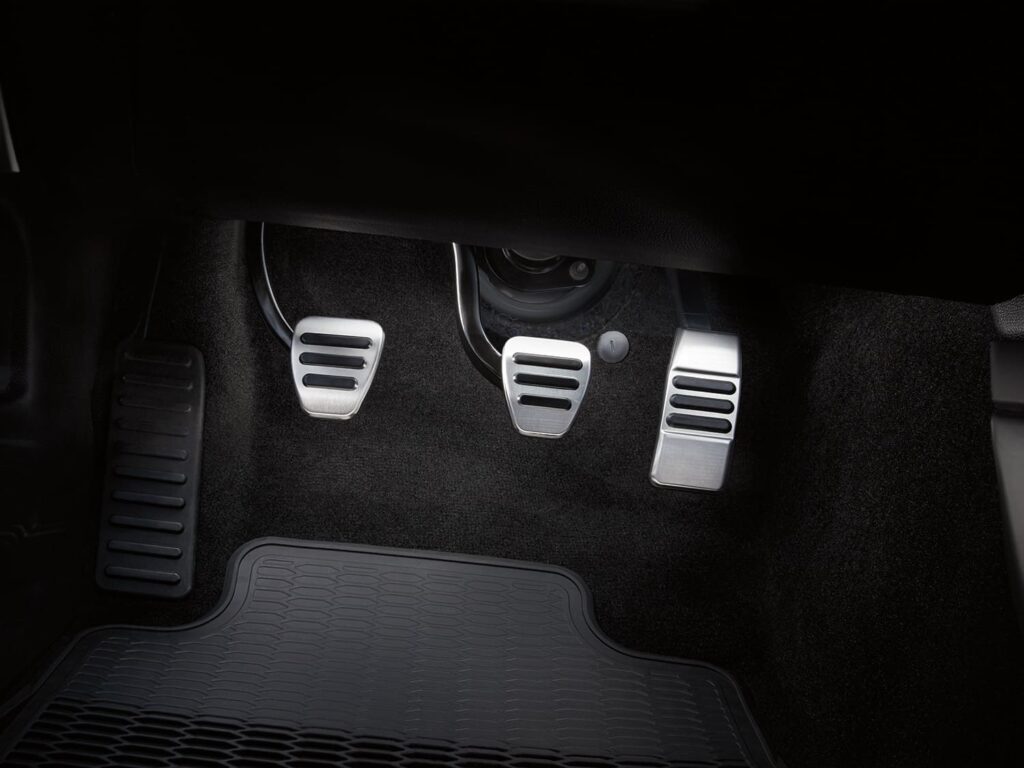
When the brake pedal is locked, it usually means the hydraulic brake system is under pressure or there’s a mechanical issue. The locking mechanism is designed to prevent the car from starting or moving when there’s a fault in the system, ensuring safety.
Common Causes of a Locked Brake Pedal and a Car That Won’t Start
1. Dead or Weak Battery
A dead battery is one of the most common reasons for a locked brake pedal and a car that won’t start. Without sufficient power, the electronic brake assist system and ignition system can’t function properly.
Solution: Test the battery’s voltage. If it’s weak or dead, recharge or replace the battery to resolve the issue.
2. Faulty Brake Switch
The brake switch is a crucial component that signals the car to start when the brake pedal is pressed. If this switch is faulty or misaligned, the car may not recognize that you’re pressing the brake.
Solution: Inspect the brake switch for damage or alignment issues. A mechanic can do auto electrical repair or replace it if necessary.
3. Ignition Lock Mechanism Issues
Modern cars are equipped with ignition lock mechanisms that require the brake pedal to be pressed before starting. If this system malfunctions, it can prevent the car from starting even if the brake is pressed.
Solution: Check for mechanical faults in the ignition lock mechanism and consult a professional if needed.
In some cases, difficulty starting your car might also be linked to deeper drivetrain issues. If you’re experiencing persistent gear engagement problems, a professional transmission rebuild in Finneytown could restore smooth operation and ensure your vehicle starts and drives reliably.
4. Gear Shift Lever Not in Park
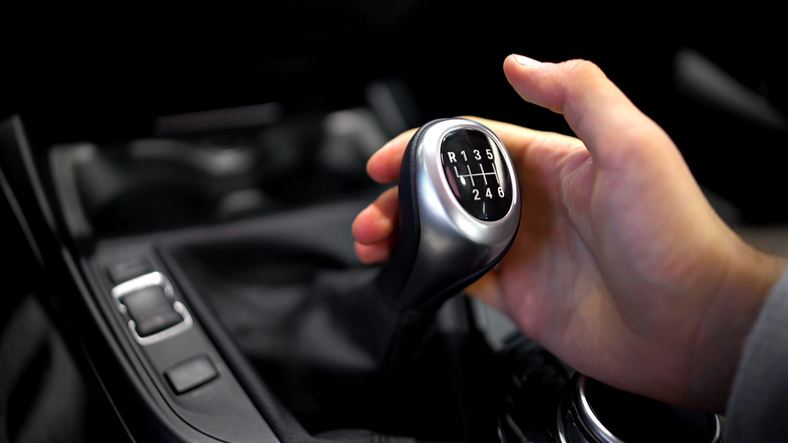
Most automatic vehicles require the gear shift lever to be in “Park” before the engine can start. If the lever isn’t properly positioned, it may lock the brake pedal and disable the ignition.
Solution: Ensure the gear shift is securely in the “Park” position before starting the car.
5. Hydraulic Pressure in the Brake System
A malfunction in the hydraulic system can create excess pressure, causing the brake pedal to lock. This can happen due to air in the lines or a faulty master cylinder (including a bad valve cover gasket)
Solution: Check the hydraulic brake system for any leaks or pressure inconsistencies. If issues persist, bleeding the brakes might help. Additionally, ensuring proper wheel alignment in Finneytown can improve overall braking performance or newer vehicles, keeping up with hybrid & ev maintenance Finneytown services can also help prevent unexpected brake and ignition issues tied to advanced electronic systems. For owners in the area, monfort heights EV & hybrid vehicle services can provide specialised maintenance for these advanced vehicles.
What to Do When Your Brake Pedal Is Locked and Car Won’t Start
Step 1: Check the Battery
Test your car battery with a multimeter or a battery tester. If the voltage is below 12.6 volts, recharge or replace the battery.
Step 2: Inspect the Brake Pedal and Switch
Check for any obstructions or damage around the brake pedal. Press the pedal firmly to ensure the brake switch engages.
Step 3: Confirm Gear Shift Position
Ensure the gear shift lever is in “Park” for automatic vehicles or in neutral for manual transmissions. You can check my post to learn how to brake in a manual car.
Step 4: Check the Ignition System
Inspect the ignition key or push-button system for faults. For keyless systems, ensure the key fob has a working battery.
Step 5: Consult a Mechanic
If the issue persists, consult a professional mechanic to diagnose and resolve the problem. Persistent issues may indicate deeper faults in the brake or ignition system.
Why Professional Diagnostics Are Important
A locked brake pedal and a car that won’t start can stem from complex mechanical or electronic issues that require expert tools and knowledge. Professional mechanics can perform comprehensive diagnostics to identify the root cause and prevent further damage.
Why Choose URBS Garage?
At URBS Garage, certified technicians specialize in brake and ignition system repairs. With advanced diagnostic tools and expert service, they’ll get your car back on the road quickly and safely.
Preventing Brake Pedal Lock and Starting Issues
Regular maintenance of your car’s electrical and braking systems can prevent these problems from occurring. Schedule routine inspections to check the battery, brake system, and ignition components.
Avoid pressing the brake pedal excessively when the engine is off, as this can build pressure in the hydraulic system.
Frequently Asked Questions
1. Why is my brake pedal hard to press and the car won’t start?
This often indicates a dead battery or a problem with the brake booster, which assists in pedal movement.
2. Can I fix a locked brake pedal myself?
Simple fixes like checking the battery or gear shift can be done at home. For persistent issues, consult a professional.
3. How can I prevent my brake pedal from locking?
Regular maintenance of the brake and electrical systems, along with proper handling, can prevent most issues.
Conclusion
A locked brake pedal and a car that won’t start are usually symptoms of underlying issues like a dead battery, faulty brake switch, or ignition system problems.
While some fixes, like checking the battery or gear shift position, can be handled at home, more complex issues require professional attention. Trust experts at URBS Garage for reliable brake repairs in Erlanger, KY.
Regular maintenance and prompt action can ensure your car operates smoothly and safely.
