
There’s nothing more frustrating than turning on your car’s AC on a hot day and feeling warm air. When this happens, it’s often a sign of underlying issues within the AC system. Understanding the common causes and knowing how to address them can save you from discomfort and expensive repairs.
This article will explore why your car’s AC might be blowing warm air and how you can resolve these problems effectively.
Why is my car AC blowing warm air?
Some of the common reasons why your car AC might be blowing warm air are low refrigerant, a faulty compressor, or any electrical issues.
Key Takeaways
- Low refrigerant levels and leaks are common reasons for warm air from car ACs.
- Faulty components like the compressor, condenser, and blower motor can also cause issues.
- Regular maintenance and timely repairs can prevent most AC problems.
How a Car AC System Works
A car’s air conditioning (AC) system is designed to cool and dehumidify the air inside the cabin, ensuring a comfortable ride even on hot days.
While the AC keeps things chill inside, dents on the outside can still mess with your car’s vibe. If you’ve picked up a few dings, consider getting car dent repair in Burlington KY to smooth things out and keep your ride looking sharp.
The process involves several key components that work together to regulate temperature and humidity. Here’s a breakdown of how it works:
1. Compressor
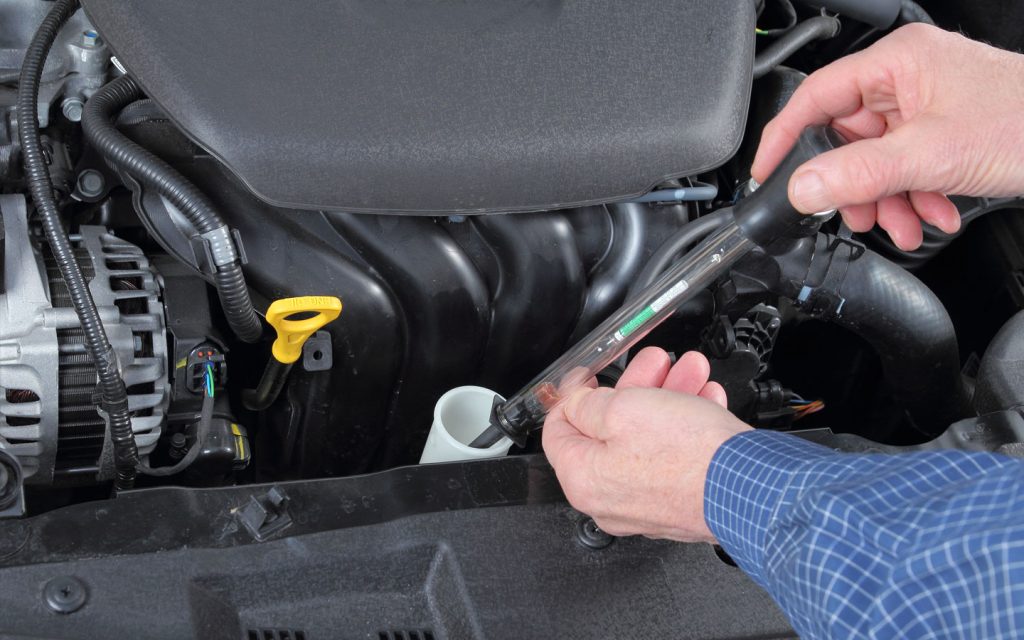
- Function: The compressor is the heart of the AC system. It compresses the refrigerant gas, increasing its pressure and temperature. The high-pressure gas is then pushed through the system.
- Role: By compressing the refrigerant, the compressor initiates the cooling cycle. It ensures the refrigerant flows continuously through the system, enabling consistent cooling.
- Important Note: The compressor relies on the drive belt to function. If the belt is loose or damaged, it can disrupt the cooling process.
2. Condenser

- Function: After leaving the compressor, the hot, high-pressure refrigerant gas flows into the condenser. Here, it cools down and condenses into a liquid form as heat is released outside the vehicle.
- Role: The condenser is essentially a heat exchanger. It removes heat from the refrigerant, converting it from a gas to a cooler liquid. This process is vital for reducing the refrigerant’s temperature before it enters the next phase of the cycle.
- Position: Located at the front of the car near the radiator, the condenser relies on airflow to cool the refrigerant effectively.
3. Expansion Valve/Orifice Tube
- Function: As the liquid refrigerant leaves the condenser, it passes through an expansion valve or orifice tube, depending on the system. This component reduces the pressure of the liquid, allowing it to expand and cool rapidly.
- Role: The expansion valve regulates the flow of refrigerant into the evaporator. By lowering the pressure, it helps the refrigerant absorb heat more effectively in the evaporator.
- Variation: Some systems use an orifice tube instead of an expansion valve. Both serve the same purpose, but they operate slightly differently in managing refrigerant flow.
4. Evaporator
- Function: Inside the cabin, the cold, low-pressure refrigerant absorbs heat from the air blown over the evaporator coils, turning it back into a gas. This process cools the air, which is then directed into the cabin.
- Role: The evaporator cools and dehumidifies the air inside the car. It absorbs the heat from the cabin air, making the air cooler and more comfortable for passengers.
- Maintenance Tip: Regularly clean or replace the cabin air filters to ensure proper airflow over the evaporator. Clogged filters can reduce cooling efficiency.
5. Refrigerant
- Function: The refrigerant is the substance that circulates through the AC system, undergoing changes in pressure and temperature to absorb and release heat. Common refrigerants include R-134a and, in newer models, R-1234yf.
- Role: As the refrigerant cycles through the system, it absorbs heat from the cabin and releases it outside, maintaining a cool and comfortable temperature inside the car.
- Environmental Note: Handling refrigerants should be done by professionals, as improper handling can be harmful to the environment.
Common Reasons Why Your Car AC Blows Warm Air
1. Low Refrigerant Levels
Low refrigerant is one of the most common reasons why your AC may blow hot air. Refrigerant, also known as freon, is responsible for cold air.
Over time, leaks or a lack of maintenance can cause refrigerant levels to drop. I have recently discussed how to tell if freon is low in AC car.
Without enough refrigerant, the system can’t cool the air effectively, leading to warm airflow. It’s crucial to have a certified technician check the system and recharge the refrigerant if needed.
If you are looking for an ASE certified shops near me in Burlington, KY, you can try URBS Garage as we have multiple certified technicians to take care of your car AC.
2. Refrigerant Leaks
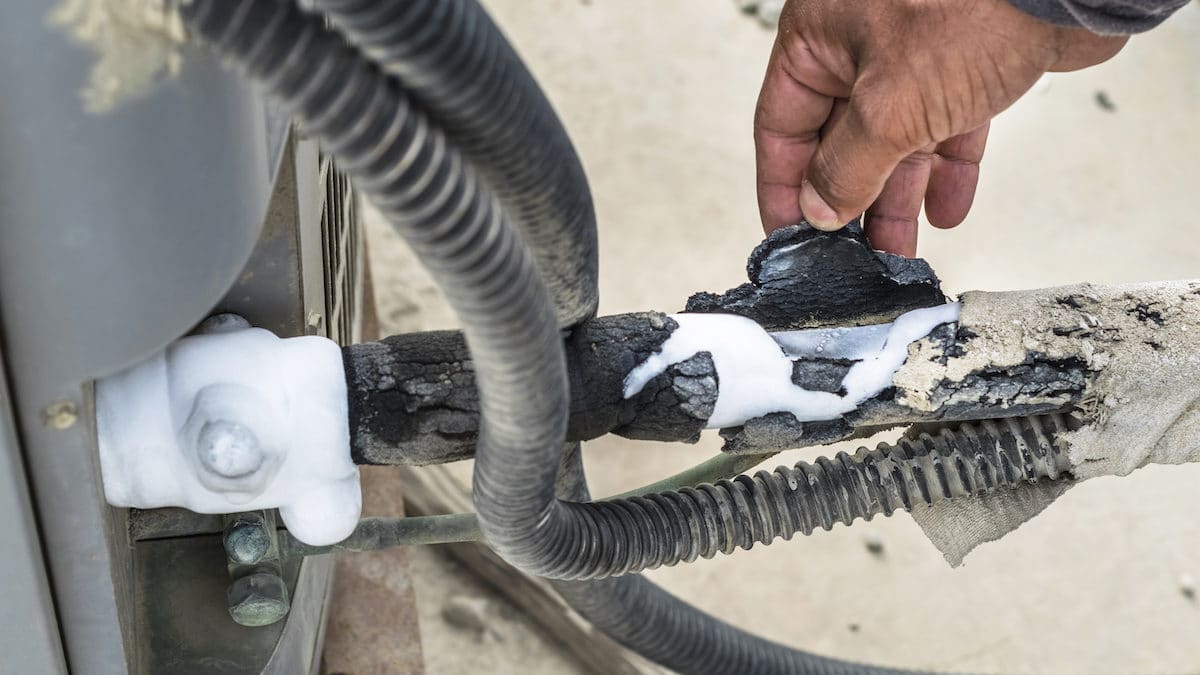
Leaks in the AC system can occur due to damaged hoses, faulty connections, or deteriorating seals.
When refrigerant escapes, it disrupts the cooling process, leading to warmer air. You might notice hissing sounds, a reduced cooling effect, or even puddles under the car.
Detecting leaks early can prevent more severe problems.
3. Faulty Compressor
The compressor is the heart of the AC system and is responsible for circulating refrigerant.
If it’s damaged or malfunctioning, the refrigerant won’t flow correctly, resulting in AC blowing hot air. Common signs of a failing compressor include strange noises, a lack of cooling, and the air conditioning system not turning on.
Replacing or repairing the compressor is often necessary, and professional services can handle the job efficiently.
4. Condenser Issues
The condenser cools the refrigerant after it has absorbed heat from the cabin.
If the condenser is blocked or damaged, it can’t release heat effectively, causing the system to blow warm air. Debris, dirt, or physical damage can obstruct the condenser.
Regular maintenance can help prevent these issues, and if problems persist, a professional inspection is recommended.
5. Electrical Problems
Electrical issues, including faulty fuses, switches, or wiring, can prevent the AC components from functioning.
For instance, if the compressor doesn’t receive the proper signal to activate, the AC won’t cool the air. Electrical problems can be challenging to diagnose, so it’s best to have a trained technician inspect the system.
6. Clogged or Dirty Air Filters
Air filters play a significant role in ensuring proper airflow.
When dirt and debris clog your filters, airflow becomes restricted, making your AC work harder and less efficiently. Scheduling an air filter replacement in Burlington, KY is a simple way to keep your system running smoothly while ensuring cleaner, cooler air in your home.
7. Faulty AC Clutch
The AC clutch engages the compressor when the air conditioning is turned on.
If the clutch fails to engage, the compressor won’t work, and the air will remain warm. A damaged clutch may need to be repaired or replaced to restore normal function.
8. Malfunctioning AC Blower Motor
The blower motor is responsible for pushing air through the AC system and into the cabin.
If it fails or works intermittently, you might notice weak airflow or warm air. Addressing blower motor issues promptly can prevent a total breakdown of the AC system.
Diagnosing the Problem
Diagnosing why your AC is blowing warm air starts with checking for visible leaks, inspecting refrigerant levels, and examining the compressor and condenser for damage. While identifying the issue is the first step, many car owners also wonder how long does car AC repair take—the answer can vary depending on the complexity of the problem and the availability of parts.
Electrical diagnostics may also be necessary. If you’re not sure what’s causing the issue, schedule an appointment at Urb’s Garage for a thorough inspection.
Solutions and Repairs
1. Recharging the AC System
Low refrigerant levels can often be resolved with a recharge. Make sure to have this done by a professional to avoid overcharging, which can damage the system.
2. Fixing Refrigerant Leaks
Professional technicians use specialized tools to detect and repair leaks.
It’s essential to address leaks immediately, as prolonged exposure to refrigerant can harm the environment.
3. Replacing the Compressor or Condenser

When components like the compressor or condenser are beyond repair, replacement may be the only option.
Though more costly, this ensures the AC system operates efficiently and prevents further issues.
4. Cleaning or Replacing Air Filters
Simply replacing clogged air filters can make a significant difference in the airflow and cooling efficiency of your AC.
Regular filter changes are an inexpensive way to maintain performance.
5. Electrical Repairs
Electrical issues often require a professional’s expertise. Trained technicians from URBS Garage in Burlington KY can diagnose and fix wiring or fuse problems to restore proper functionality.
Preventing AC Issues
Preventative maintenance is key to avoiding warm air from your car’s AC. Regularly scheduled inspections, timely repairs, and keeping the refrigerant levels checked can prevent the most common issues.
Frequently Asked Questions:
1. Why is my car AC blowing warm air instead of cold?
Low refrigerant, faulty components, or electrical issues are common reasons your car AC may blow warm air.
2. Can low refrigerant cause the AC to blow warm air?
Yes, low refrigerant disrupts the cooling process, causing the AC to emit warm air instead of cool.
3. How do I fix my car AC if it’s blowing warm air?
You may need to recharge the refrigerant, fix leaks, or replace faulty parts. Professional diagnosis ensures accurate repairs.
Conclusion
When your car AC blows warm air, it’s usually a sign of deeper issues within the system.
Whether it’s low refrigerant, a faulty compressor, or electrical problems, addressing these issues promptly will restore your AC’s cooling power and prevent more expensive repairs down the line.
If you notice your AC isn’t performing as it should, consider scheduling an inspection at Urb’s Garage, where expert technicians can diagnose and repair the problem efficiently.
