The timing chain is essential for synchronising the movement of your vehicle’s pistons and valves.
If it malfunctions or breaks, it can cause severe engine damage.
In this guide, we’ll discuss what happens when a timing chain breaks, the potential consequences for your engine, and how to prevent this costly issue from happening.
Will a broken timing chain destroy my engine?
Yes, a broken timing chain can cause serious engine damage, potentially bending valves, damaging pistons, and leading to costly repairs or even engine replacement.
Key Takeaways
- A broken timing chain can cause significant engine damage, particularly in interference engines.
- Signs of a broken timing chain may include unusual engine noises, poor performance, or difficulty starting the engine.
- Regular maintenance and early detection of timing chain issues can prevent catastrophic engine failure.
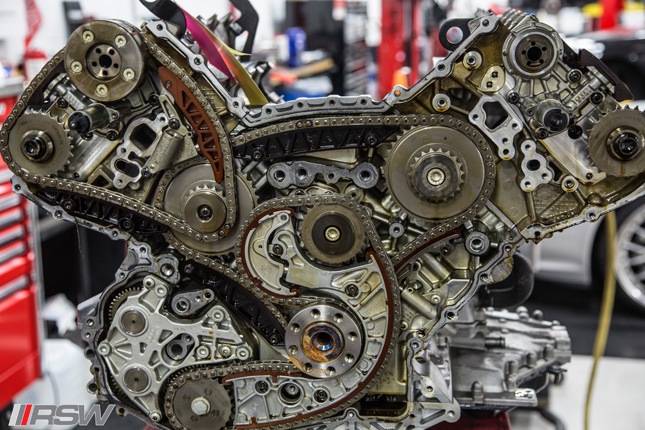
What Does the Timing Chain Do?
The timing chain, often compared to a timing belt, is responsible for synchronizing the rotation of the crankshaft and the camshaft in your engine.
The chain ensures that the engine’s valves open and close at the correct intervals during the combustion process.
Without the timing chain functioning properly, the engine would be unable to run efficiently.
What Happens If the Timing Chain Breaks?
When the timing chain breaks, it disrupts the precise timing between the camshaft and crankshaft. Depending on the type of engine you have, this can cause varying levels of damage.
Interference Engine Damage
If you drive a car with an interference engine, a broken timing chain can lead to serious consequences.
In interference engines, pistons and valves work in the same space, moving dangerously close to each other. A failing timing chain can produce a rattling or slapping sound, which is often the first warning sign something’s wrong.
When the timing chain breaks, the pistons and valves can collide, causing significant internal engine damage.
This can result in bent valves, damaged pistons, and even a complete engine failure.
Signs of Interference Engine Damage: The engine may stop running altogether, make loud clunking noises, or produce excessive smoke or strange smells due to the internal damage.
Non-Interference Engine Damage
In a non-interference engine, the pistons and valves do not share the same space, meaning that if the timing chain breaks, the pistons and valves are less likely to collide.
However, this does not mean the engine won’t be damaged.
A broken timing chain can cause the engine to stop running, resulting in potential damage to other components, including the camshaft and crankshaft.
Signs of Non-Interference Engine Damage: While the damage may be less severe, you may still experience engine misfires, poor performance, and the inability to restart the engine.
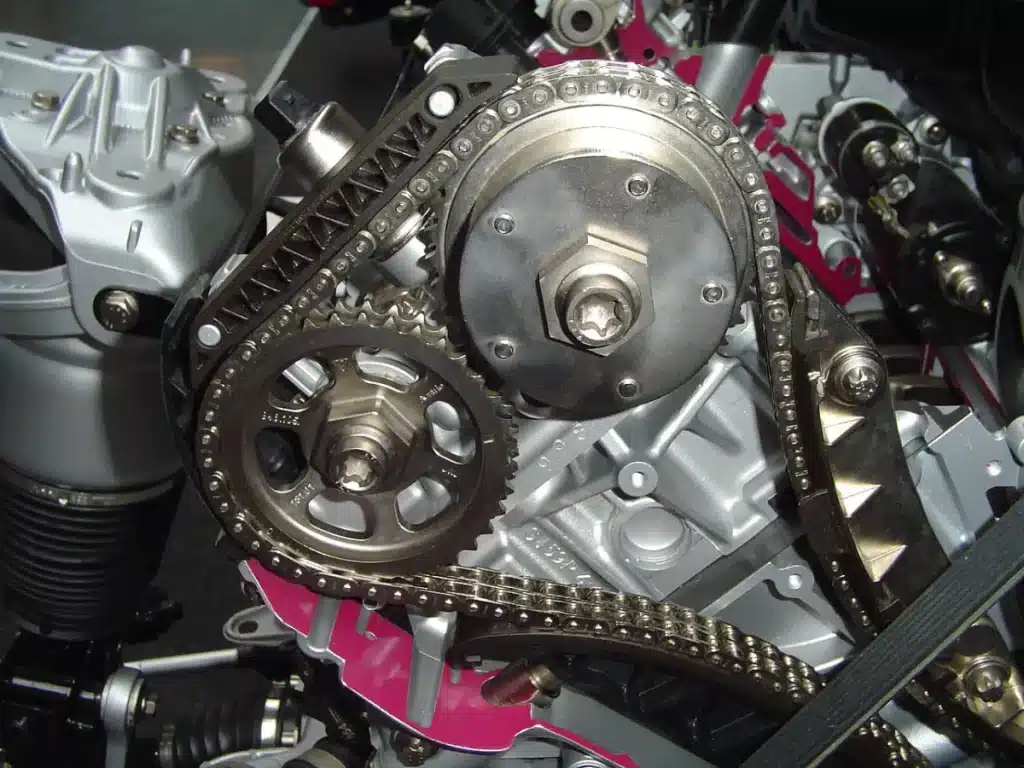
Symptoms of a Broken Timing Chain
It’s essential to recognize the symptoms of a broken or failing timing chain early to prevent more severe engine damage.
Some of the common signs that your timing chain might be failing include:
Unusual Noises
A loose or damaged timing chain can produce a rattling or slapping sound. This noise is caused by the chain rubbing against the surrounding components.
If you hear any unusual noises coming from the engine, it’s important to get the vehicle checked immediately.
Engine Misfires or Poor Performance
If the timing chain is loose or worn, it can cause the engine to misfire.
You may notice a loss of power, difficulty accelerating, or rough idling. Poor engine performance is a common symptom of a failing timing chain.
Engine Won’t Start
If the timing chain breaks completely, the engine will not start. This is because the valves are no longer synchronized with the pistons, preventing the engine from functioning properly.
If you’re unable to start the engine, it could indicate a timing chain issue.
Check Engine Light
A broken timing chain can trigger the check engine light to illuminate. Modern vehicles are equipped with sensors that detect irregularities in engine timing.
If the sensors detect an issue with the timing chain, the check engine light will turn on to alert you to the problem.
How to Prevent Timing Chain Issues
While a timing chain is designed to last for a long time, it can still wear out or become damaged. Regular maintenance and early detection of potential issues can help you avoid costly repairs.
Regular Maintenance
Regular engine maintenance, including oil changes, is critical for the longevity of your timing chain.
Keeping the engine well-lubricated ensures that the timing chain runs smoothly and experiences minimal wear and tear.
Check the manufacturer’s recommendations for oil change intervals and stick to them.
Monitor Engine Performance
If you notice any of the symptoms listed earlier, such as unusual engine noises or poor performance, it’s essential to have your timing chain inspected.
Catching issues early can help prevent more severe damage and expensive repairs down the line.
Replace Timing Chain at Recommended Intervals
Some manufacturers recommend replacing the timing chain at specific intervals, typically between 80,000 and 100,000 miles.
While timing chains are designed to last longer than timing belts, they are not invincible.
If your car manufacturer suggests replacing the timing chain at certain mileage intervals, it’s important to follow that advice to avoid unexpected breakdowns.
Check for Wear and Tear
If you’ve owned your vehicle for a while and haven’t yet replaced the timing chain, it’s a good idea to have it inspected for signs of wear.
A qualified mechanic can inspect the chain and related components to determine if it needs to be replaced.
Frequently Asked Questions
1. How do I know if my timing chain is broken?
Common signs of a broken timing chain include unusual engine noises, poor engine performance, and the inability to start the engine. If you experience these symptoms, it’s time to have your vehicle inspected.
2. Can a broken timing chain damage my engine?
Yes, a broken timing chain can cause significant damage, especially in interference engines. The pistons and valves may collide, resulting in bent valves, damaged pistons, or other severe engine damage.
3. How often should I replace my timing chain?
Timing chains are designed to last between 80,000 and 100,000 miles, but the replacement interval can vary based on your vehicle’s make and model. Always follow the manufacturer’s recommendations for replacing the timing chain.
Conclusion
A broken timing chain is a serious issue that can lead to expensive engine damage, especially in interference engines.
Regular maintenance, timely oil changes, and early detection of issues are key to preventing timing chain failure.
If you suspect that your timing chain is failing, it’s important to have your vehicle inspected by a professional mechanic to avoid further damage.
By addressing the issue early, you can save yourself from costly repairs and keep your engine running smoothly for years to come.
