If you’ve ever started your car and felt a hard brake pedal, you’re not the only one.
While it may seem like a small issue, this common problem could be a sign of something more serious with your vehicle’s braking system. Let’s explore what might be causing it.
Why Is My Brake Pedal Hard When I Start My Car?
A hard brake pedal when starting your car can be due to issues with the brake booster, low brake fluid, or a vacuum leak. While addressing these concerns, it’s also a good idea to understand the role of cleaning components in your braking and engine systems. This also helps drivers understand overall vehicle responsiveness and even highlights performance tuning advantages in some systems.
For instance, knowing the difference between brake cleaner vs throttle body cleaner is essential. Brake cleaner is specifically formulated to remove brake dust, grease, and other contaminants from brake components without leaving residue. In contrast, throttle body cleaner is designed to clean the throttle body and intake system, helping improve engine performance. Using the correct cleaner for each system ensures optimal functionality and safety.
Key Takeaways:
- A hard brake pedal may indicate a brake booster, vacuum leak, or low fluid.
- Diagnosing brake pedal issues early helps prevent severe brake problems and ensures safety.
- Regular brake system maintenance and inspections can help avoid pedal issues.
What Causes a Hard Brake Pedal When Starting Your Car?
Several factors could be contributing to the hard brake pedal you’re experiencing. Below are the most common reasons:
1. Brake Booster Problems
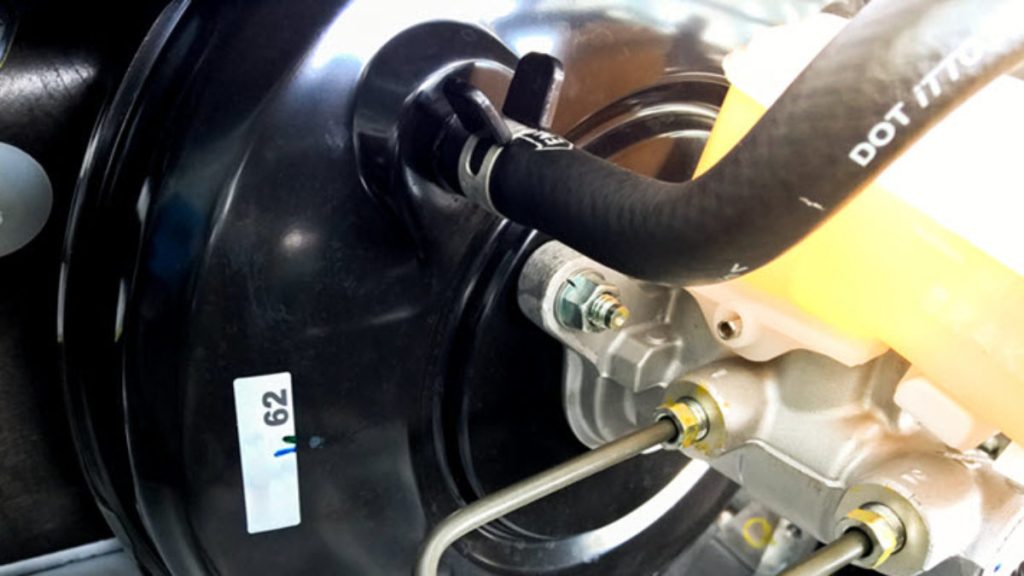
The brake booster is a crucial component in your vehicle’s braking system. It amplifies the force you apply to the brake pedal, making it easier to stop your car.
If the brake booster is malfunctioning, the pedal will feel much harder because it can’t provide the necessary assistance.
One of the most common reasons for brake booster failure is a vacuum leak, which can prevent the booster from functioning properly.
What to Do:
Check for vacuum leaks in the brake booster system. Have the brake booster inspected and replaced if necessary.
2. Vacuum Leak in the Brake Booster
The brake booster relies on a vacuum to assist in the braking process. If there’s a vacuum leak, the booster will not function correctly, leading to a hard brake pedal.
This issue can occur when the vacuum hose connected to the brake booster is damaged or disconnected, preventing it from generating the necessary vacuum pressure.
What to Do:
Inspect the vacuum hose and brake booster for leaks or damage. Replace the damaged hose or brake booster to restore proper function.
3. Low Brake Fluid
Low brake fluid levels can cause a hard brake pedal because there’s not enough fluid to properly activate the braking system.
Brake fluid is responsible for transmitting the pressure from your foot on the brake pedal to the brake components.
If the fluid level is low, the system won’t function efficiently, and the pedal may become stiff.
What to Do:
Check the brake fluid level and top it off if necessary. If the fluid level is consistently low, have your brake system checked for leaks.
4. Air in the Brake Lines
Air in the brake lines can also contribute to a hard brake pedal. If air gets into the lines, it reduces the efficiency of the brake fluid, causing the pedal to feel stiff or unresponsive.
This issue is typically the result of a recent brake repair or a leak in the brake lines.
What to Do:
Bleed the brakes to remove any trapped air. Have a mechanic inspect the brake lines for leaks or damage. At URBS Garage, we offer our service of brake repair in Finneytown and many other locations. You can try our service and get it fixed as soon as possible.
5. Master Cylinder Failure
The master cylinder is responsible for distributing brake fluid to the brake lines. If the master cylinder fails, it may not be able to properly send fluid to the brakes, causing the pedal to feel hard.
This is a more serious issue and often requires a replacement of the master cylinder.
What to Do:
Have the master cylinder inspected for wear or damage. Replace the master cylinder if necessary.
How to Diagnose and Address the Hard Brake Pedal Issue
If you’re experiencing a hard brake pedal when starting your car, here are some steps you can take to diagnose the problem:
1. Check the Brake Fluid Levels
One of the simplest ways to diagnose a hard brake pedal is to check the brake fluid levels. Low fluid levels can cause the pedal to feel stiff and unresponsive.
Check the brake fluid reservoir and top it off if the fluid is low. If the fluid is consistently low, there could be a leak in the system, which should be addressed immediately.
2. Inspect the Brake Booster and Vacuum Lines
The brake booster and vacuum lines play an essential role in amplifying the pressure on the brake pedal.
If there is a vacuum leak, the pedal will feel hard because the booster can’t provide the necessary assistance.
Inspect the vacuum hose for any signs of wear, cracks, or disconnections. If you find a leak, replace the hose or the brake booster to restore normal brake function.
3. Look for Leaks in the Brake System
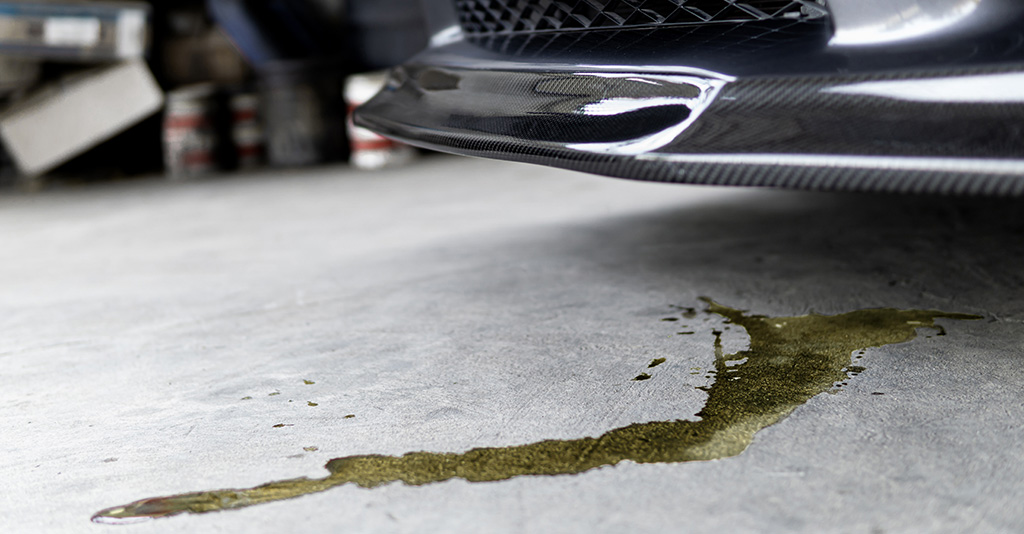
A brake fluid leak can lead to low fluid levels and a hard brake pedal. Check for signs of leaks around the brake lines, master cylinder, and brake components.
If you notice any fluid pooling under the car or see wet spots around the brake system, it’s crucial to address the issue promptly to avoid further damage.
4. Bleed the Brakes
If air has entered the brake lines, the brakes will feel less responsive, and the pedal may become hard.
Bleeding the brakes is the process of removing air from the brake lines by releasing fluid through the system. This can be done manually or with the help of a brake bleeding tool.
5. Have the Master Cylinder Inspected
If none of the previous solutions resolve the issue, it may be time to have the master cylinder inspected.
A failing master cylinder can lead to a hard brake pedal and reduced braking efficiency. If the master cylinder is the cause of the problem, it will likely need to be replaced.
What Happens if You Ignore a Hard Brake Pedal?
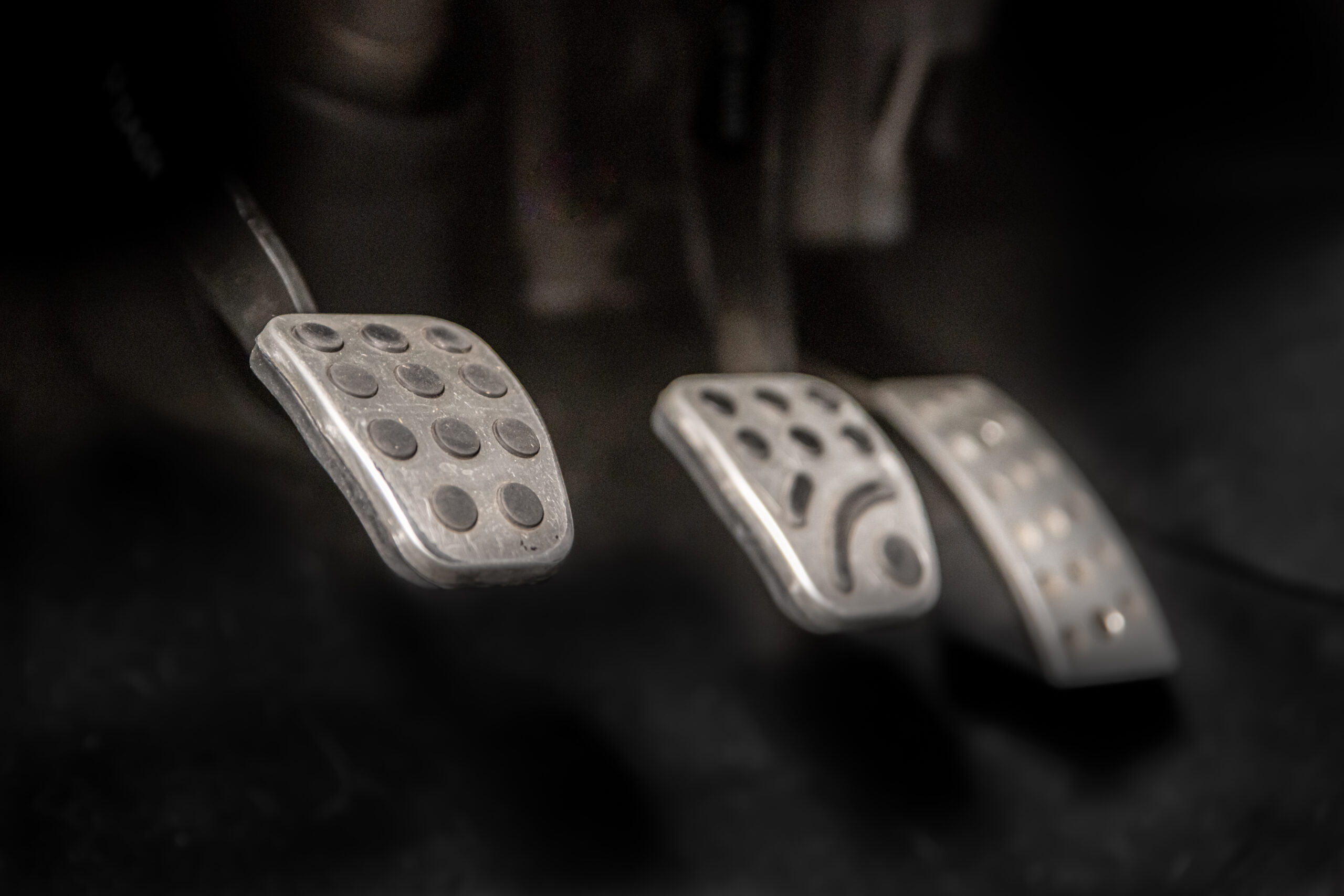
Ignoring a hard brake pedal can lead to dangerous driving conditions and potentially costly repairs. Here’s what could happen if the problem is not addressed:
Reduced Braking Efficiency: A hard brake pedal means you’ll need to apply more force to stop your car, which can reduce your ability to brake quickly in an emergency.
Increased Wear on Other Components: If your brake system isn’t functioning properly, it can cause increased wear on other components, such as the brake pads and rotors.
Safety Risks: A malfunctioning brake system can significantly impact your ability to stop your vehicle, which is a major safety concern.
Driving with a hard brake pedal can lead to dangerous situations.
Preventing Brake Pedal Issues in the Future
To avoid dealing with a hard brake pedal in the future, regular brake system maintenance is key. Here are some tips to help you maintain your brake system:
Check Brake Fluid Regularly: Make sure the brake fluid levels are checked regularly as part of your vehicle’s routine maintenance.
Inspect the Brake Booster and Vacuum Lines: Periodically inspect the brake booster and vacuum lines for signs of damage or wear.
Replace the Cabin Air Filter: A clean cabin air filter helps the brake system perform better, reducing strain on components.
Have the Master Cylinder Checked: If you notice any issues with your brakes, get the master cylinder checked by a professional.
Ensure Proper Brake System Maintenance: Have your brake system inspected annually by a certified mechanic to catch issues early.
Frequently Asked Questions
1. Why is my brake pedal hard when I start my car?
A hard brake pedal can be caused by several issues, including a malfunctioning brake booster, low brake fluid, vacuum leaks, or air in the brake lines. It’s essential to have the brake system inspected to identify the root cause.
2. How can I fix a hard brake pedal?
You can start by checking the brake fluid levels and inspecting the vacuum lines for leaks. If the fluid levels are low or there are leaks, you may need to replace the brake booster or repair the brake system. If the problem persists, the master cylinder may need to be replaced.
3. Is it dangerous to drive with a hard brake pedal?
Yes, driving with a hard brake pedal is dangerous because it reduces your ability to stop the vehicle quickly, especially in an emergency. It’s important to address the issue immediately to ensure your safety.
Conclusion
A hard brake pedal when starting your car is a clear sign that there’s something wrong with your brake system.
Whether it’s a vacuum leak, low brake fluid, or a problem with the master cylinder, addressing the issue early on can prevent more serious problems and keep your car safe to drive.
Regular maintenance is key to ensuring your braking system functions efficiently and reliably.
