
When it comes to car maintenance, the brake system is one of the most important parts of your vehicle’s safety.
Specifically, the brake pads, which press against the rotors to slow or stop your car, play a key role in keeping you safe on the road. Many performance focused drivers who upgrade areas like custom exhaust tuning also pay close attention to brake health.
How Long Do Brake Pads Last on a Car?
Brake pads typically last between 25,000 to 70,000 miles, depending on driving habits, vehicle type, and the quality of the pads. Regular maintenance helps extend their lifespan and ensures safety.
Key Takeaways:
- Brake pads last between 25,000 to 70,000 miles, depending on driving habits and pad type.
- Regularly check your brake pads to prevent damage to other brake components.
- Maintain your brake system and follow manufacturer guidelines to extend pad life.
What Are Brake Pads and Why Do They Wear Down?

Brake pads are a vital part of the disc braking system, which is used in most modern vehicles.
They are designed to press against the brake rotor, creating the friction necessary to slow down or stop the car.
Brake pads consist of several layers of materials, including friction material (often made from semi-metallic or ceramic compounds) and a backing plate.
Over time, the friction between the brake pads and the rotors causes the pads to wear down. As they wear, the material thins, reducing their effectiveness. If left unchecked, worn brake pads can lead to more significant issues, such as damaging the brake rotors, which can result in more costly repairs.
How Long Do Brake Pads Last on Average?
The lifespan of brake pads can vary widely, but on average, they last between 25,000 and 70,000 miles.
Several factors influence how quickly your brake pads wear down, including your driving habits, the type of brake pads, the type of vehicle, and the environment in which you drive.
Here’s a more detailed breakdown of factors that affect brake pad lifespan:
Factors That Affect Brake Pad Lifespan
1. Driving Habits

One of the biggest factors in determining how long your brake pads last is your driving habits. For instance:
Aggressive Driving: Frequent hard braking, rapid acceleration, and driving at high speeds cause the brake pads to wear faster. If you find yourself driving aggressively, you may need to replace your brake pads more frequently.
Stop-and-Go Traffic: If you regularly drive in stop-and-go traffic, your brake pads will wear out more quickly due to frequent braking.
Highway Driving: On the other hand, if you mostly drive on highways, your brake pads may last longer since they don’t experience as much wear from constant braking.
What to Do: Practice smooth braking habits, avoid excessive hard braking, and aim for gradual stops to extend brake pad life.
2. Type of Brake Pads
There are different types of brake pads, each with its own lifespan and characteristics:
Organic Brake Pads: These pads are made from a mixture of materials like rubber, carbon, and fiberglass.
They are generally quieter and less expensive but tend to wear out faster, especially under heavy braking.
Semi-Metallic Brake Pads: These pads are made with a blend of metals, offering better performance and heat dissipation.
They tend to last longer than organic pads, but they can be noisier.
Ceramic Brake Pads: Ceramic pads are known for their durability, low dust production, and quiet operation.
They tend to last the longest and offer superior braking performance, but they can be more expensive than other options.
What to Do: Choose the right type of brake pads based on your driving habits and budget. Ceramic pads are often the best choice for long-lasting performance.
3. Vehicle Type
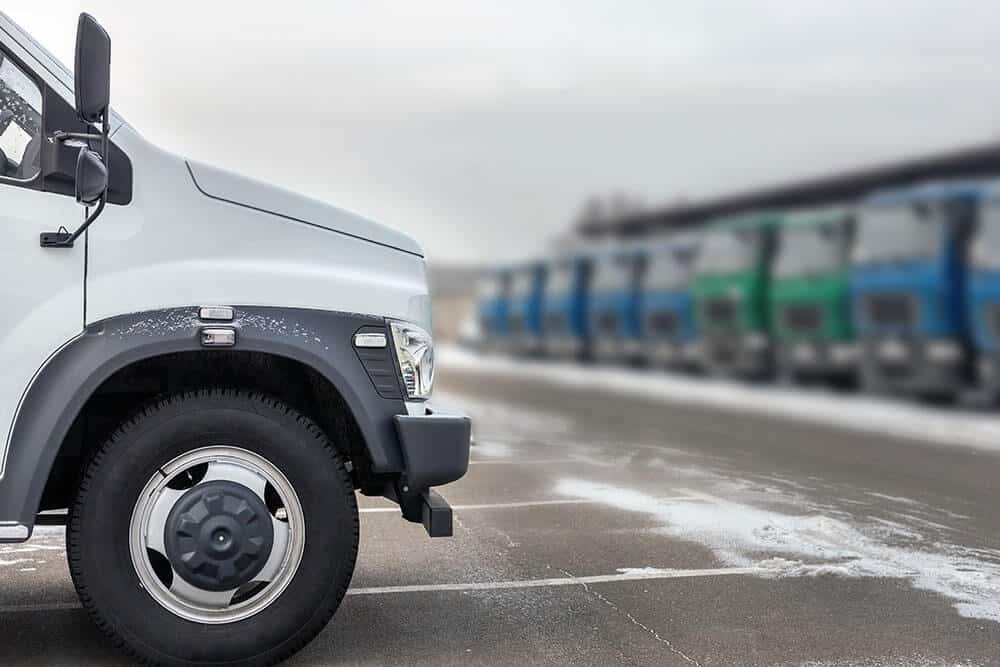
The type of vehicle you drive also plays a role in determining how long your brake pads last. For example:
Heavy Vehicles: Larger vehicles like trucks, SUVs, and vans often have to work harder to stop, which can cause the brake pads to wear out more quickly.
Lightweight Vehicles: Smaller vehicles typically have less weight to manage, meaning their brake pads may last longer.
What to Do: If you drive a heavier vehicle, keep a closer eye on your brake pads and have them inspected more regularly.
4. Environmental Conditions
Where you drive also impacts how quickly your brake pads wear down. Factors such as:
Climate: Extreme heat or cold can affect the brake pads’ performance. For instance, excessive heat can cause the pads to wear out more quickly, while cold temperatures can lead to less effective braking.
Road Conditions: Driving on hilly terrain or rough, unpaved roads puts more strain on the brake pads, causing them to wear down faster.
Conversely, smooth and even roads can be gentler on your brake pads.
What to Do: If you often drive in harsh climates or on difficult terrain, you may need to replace your brake pads more often.
Regular inspections will help you catch wear before it becomes a problem.
5. Brake Pad Quality and Brand
Not all brake pads are created equal. The quality and brand of your brake pads can influence their lifespan.
High-quality, brand-name brake pads generally last longer and perform better than cheaper alternatives.
What to Do: Invest in high-quality brake pads to ensure better performance and longevity.
How to Tell When Your Brake Pads Need Replacing
Even if you’re following all the tips for maintaining your brake pads, it’s still important to know the signs that indicate they need replacing. Here are a few symptoms to watch for:
1. Squeaking or Squealing Noises
One of the first signs that your brake pads are wearing down is a high-pitched squeaking or squealing noise. This noise occurs when the wear indicator on the pads comes into contact with the rotor. It’s designed to alert you that it’s time to replace the pads.
2. Vibration or Pulsation When Braking
If you feel a vibration or pulsation in the brake pedal when you press it, it could be a sign that the brake pads are unevenly worn or that the rotors are damaged. This can reduce braking efficiency and indicate that your brake pads need attention.
If you are wondering why is my brake pedal hard when I start my car, you must check out my article and you’ll get an idea about it.
3. Longer Stopping Distances
If you notice that your car takes longer to stop than usual, it could be a sign that your brake pads are worn down.
This happens because the pads can no longer grip the rotor effectively, which decreases stopping power.
4. Visual Inspection
A simple visual inspection can help determine the thickness of your brake pads. If the friction material on the pads is less than a quarter inch thick, it’s time to replace them.
How to Extend the Life of Your Brake Pads
Your car’s brake system is essential for your safety, so taking care of it can save you both money and stress in the long run.
Brake pads, in particular, are a key part of the braking system, and ensuring they last longer can help you avoid costly repairs.
Fortunately, there are some simple habits and maintenance tasks you can follow to extend the life of your brake pads. Let’s take a look at a few tips to keep your brakes in top condition.
1. Drive Smoothly and Avoid Hard Braking
One of the most effective ways to preserve your brake pads is to drive smoothly.
Rapid acceleration and sudden hard braking put a lot of stress on the braking system, leading to faster wear on the brake pads.
Try to anticipate stops and decelerate gently. When you approach a red light or stop sign, ease off the accelerator early to give your car time to slow down gradually.
This not only helps save your brake pads but also improves fuel efficiency and creates a smoother ride.
Think about how often you’ve slammed on the brakes in traffic—those sudden stops add up! By driving with a little more patience, you’ll give your brakes a much-needed break, literally. A smooth driving style will help you get the most out of your brake pads and minimize wear.
2. Get Your Brakes Inspected Regularly
Regular brake inspections are a must for any car owner. Brake pads wear down naturally over time, but inspecting them regularly can help catch issues before they get worse.
Ideally, have your brakes checked during routine maintenance or oil changes.
A mechanic at URBS Garage can check the thickness of the brake pads, look for any uneven wear, and assess the overall health of your braking system. Catching small issues early can prevent them from turning into expensive repairs down the road.
If your mechanic finds any signs of wear, they can recommend timely brake pad replacement, saving you from potential damage to the rotors and other braking components.
3. Keep Your Tires Properly Inflated

You might not think about how your tires relate to your brake pads, but they’re connected. Under-inflated tires can cause extra friction, forcing your brakes to work harder and causing them to wear out more quickly.
Keeping your tires properly inflated not only improves fuel efficiency but also helps your brakes function more effectively. When your tires are inflated to the recommended pressure, they roll smoothly and create less resistance, making it easier for your car to stop.
It’s a simple yet essential part of ensuring your brake system lasts longer.
4. Replace Brake Fluid Regularly
Brake fluid plays a vital role in the functioning of your brakes. Over time, brake fluid can absorb moisture, which can lead to rust, corrosion, and poor braking performance.
Old or contaminated fluid can also cause your brake pads to wear down faster. To keep your brakes in good shape, replace the brake fluid according to your vehicle’s maintenance schedule.
Generally, brake fluid should be replaced every 2 to 3 years, but it’s best to check your car’s manual for specific recommendations.
Changing the brake fluid helps ensure the system stays in optimal condition, keeping your brakes responsive and extending the life of your pads.
Frequently Asked Questions
1. How long do brake pads last?
Brake pads typically last between 25,000 and 70,000 miles, depending on driving habits, vehicle type, and the quality of the brake pads.
2. How do I know when my brake pads need replacing?
Signs that your brake pads need replacing include squeaking or squealing noises, longer stopping distances, or a vibrating brake pedal.
3. Can I extend the life of my brake pads?
Yes, you can extend the life of your brake pads by driving smoothly, avoiding harsh braking, maintaining proper tire pressure, and having regular brake inspections.
Conclusion
Brake pads are an essential part of your vehicle’s braking system, and knowing how long they last is important for ensuring your car’s safety.
On average, brake pads last between 25,000 and 70,000 miles, but several factors can influence their lifespan, including your driving habits, vehicle type, and road conditions.
By keeping an eye on your brake pads, listening for unusual noises, and practicing smooth driving habits, you can extend your life and maintain your car’s performance.
Regular brake inspections and maintenance are key to preventing issues before they become costly repairs.
If you notice any signs that your brake pads are wearing down, don’t hesitate to get them checked. Keeping your brake system in top condition will help ensure your safety and keep your car running smoothly for years to come.
