The check engine light is a critical feature of your car’s diagnostic system, alerting you to potential issues under the hood. While it’s commonly associated with engine problems, many drivers wonder if the check engine light can illuminate due to an overdue oil change.
This blog will explore the relationship between oil changes and the check engine light, why it might appear, and how to address the issue.
Can the Check Engine Light Come On for an Oil Change?
Yes, the check engine light can come on if low oil levels or delayed oil changes cause engine damage. It’s not directly tied to oil change reminders.
Key Takeaway
- The check engine light typically signals engine or emissions-related issues.
- Low oil levels can trigger the check engine light but are not the primary reason for its illumination.
- Delayed oil changes leading to engine damage may also activate the light.
- Routine maintenance, including timely oil changes, helps prevent check engine light issues.
For Toyota owners experiencing maintenance alerts, booking a trusted Toyota oil change in Finneytown can help resolve oil-related warning lights quickly.
Understanding the Check Engine Light
What Does the Check Engine Light Mean?

The check engine light is part of your car’s onboard diagnostics (OBD) system. It illuminates when the system detects a fault, ranging from minor issues like a loose gas cap to more significant problems like engine misfires. One potential cause of a misfire due to throttle body issues is an improper air-fuel mixture.
Many drivers also ask how long it takes for other parts of the system to self-correct after maintenance. For example, the time takes for MAF sensor to reset can vary from a few drive cycles to over 100 miles, depending on your vehicle.
Can It Indicate Oil Problems?
Yes, the check engine light can turn on if oil-related issues, such as low oil levels, dirty oil, or problems with oil pressure sensors, affect the engine’s performance.
How Oil Changes Relate to the Check Engine Light
Low Oil Levels or Quality
Oil is essential for lubricating engine components and maintaining performance. Old or insufficient oil can lead to increased friction and heat, potentially triggering the check engine light, making timely services like honda synthetic oil change monfort heights essential for engine health.
Faulty Oil Pressure Sensors
Modern vehicles are equipped with sensors to monitor oil pressure. If these sensors detect irregularities caused by degraded oil, they may trigger the check engine light.
Engine Strain Due to Poor Lubrication
When oil degrades, it loses its ability to properly lubricate engine parts, causing strain on the engine and potentially illuminating the warning light.
Signs Your Car Needs an Oil Change
- Unusual Noises: Increased engine noise or knocking often indicates poor lubrication.
- Oil Change Light: Some vehicles have a separate oil change indicator that lights up when service is due.
- Dark or Dirty Oil: Checking the dipstick can reveal if the oil has turned dark and sludgy.
- Engine Performance Issues: Reduced fuel efficiency or sluggish acceleration can be signs of old oil.
If your oil looks fine but your ride still feels off, the problem might be electrical—not fluid. Getting a spark coil replacement in Monfort Heights can bring back lost power and smooth out those rough starts or sluggish takeoffs.
Preventing Oil-Related Check Engine Light Warnings
Stick to Recommended Oil Change Intervals
Follow the oil change schedule outlined in your vehicle’s owner’s manual, typically every 5,000 to 7,500 miles for synthetic oil, similar to what you’d expect from a nissan oil change service in monfort heights.
Use Quality Oil
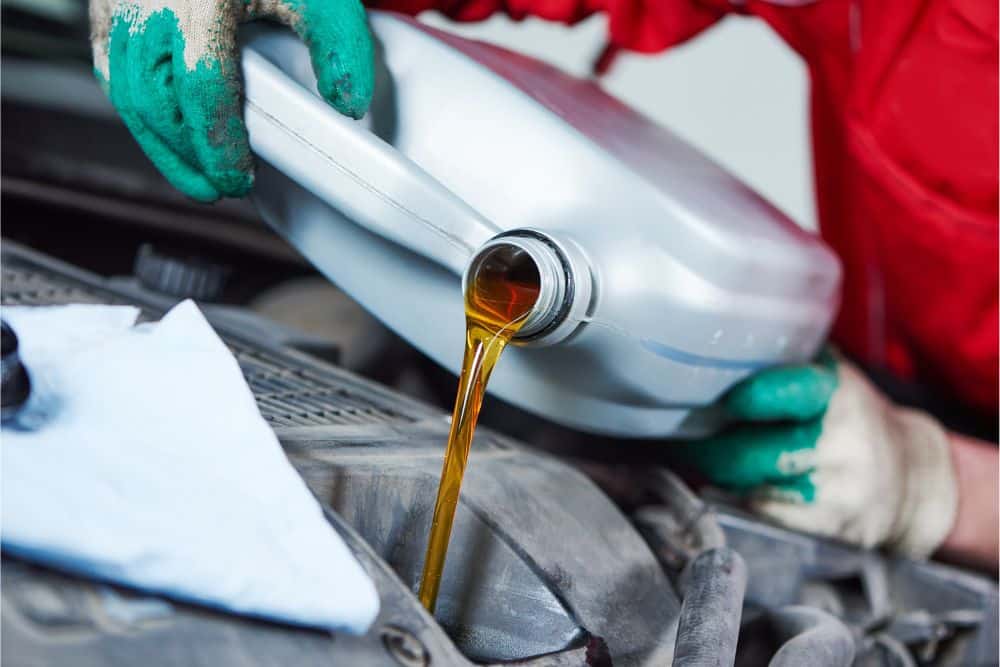
High-quality synthetic oil maintains performance and reduces the likelihood of engine-related issues. Many premium blends work well across vehicle brands, including options similar to what you might choose during a BMW synthetic oil change.
Replace Oil Filters
Changing the oil filter with every oil change ensures contaminants don’t circulate through your engine.
Routine Maintenance
Regular inspections, including checking oil levels and condition, help prevent unexpected issues.
Other Reasons for the Check Engine Light
While oil changes are a common cause of check engine light activation, other issues might also be at play:
- Faulty Oxygen Sensors: These sensors monitor emissions and can trigger the light if they malfunction.
- Catalytic Converter Issues: Problems with the catalytic converter can reduce performance and increase emissions.
- Loose Gas Cap: Surprisingly, a loose or damaged gas cap can cause the check engine light to illuminate.
- Mass Airflow Sensor (MAF): This sensor monitors air entering the engine and may cause problems if dirty or faulty.
When to Seek Professional Help

If your check engine light comes on, it’s crucial to address the issue promptly. While some problems can be fixed with basic maintenance, others require professional diagnostics.
You can get our Audi oil change services in Erlanger, KY, for Ford and many other popular brands.
Products and Services That Can Help
- Premium Synthetic Oil: This keeps your engine running smoothly and prevents sludge buildup.
- Oil Filters: High-quality filters ensure your engine stays clean and efficient.
- Diagnostic Services: Accurate fault detection and repairs to resolve check engine light concerns.
Steps to Take When the Check Engine Light Comes On
- Check Oil Levels: Use the dipstick to verify if oil levels are low.
- Inspect for Other Symptoms: Look for signs like unusual noises or performance issues.
- Get a Diagnostic Scan: Many auto repair shops offer OBD scans to identify the root cause.
- Address the Problem Promptly: Delaying repairs can lead to more severe engine damage.
Frequently Asked Questions
1. Can a delayed oil change damage my engine?
Yes, postponing oil changes can lead to engine wear, overheating, and potentially costly repairs.
2. How can I tell if my check engine light is due to an oil issue?
Common signs include low oil levels, dirty oil, or unusual engine noises. A diagnostic scan can confirm the exact cause.
3. Can I drive with the check engine light on?
It’s not recommended. Driving with the check engine light on can worsen the issue, especially if it’s oil-related.
Conclusion
The check engine light is a vital indicator that shouldn’t be ignored. While it can come on due to oil change needs, other underlying issues might also be responsible.
Regular oil changes, quality products, and timely maintenance are key to preventing problems and ensuring your vehicle’s longevity. For persistent issues, consulting professionals can provide peace of mind and expert solutions.
Some timing issues require you to reset crankshaft sensor properly after service.
If you need to change the oil for your vehicle in Erlanger, KY, just contact us and we’ll take care of everything.
