
A faulty alternator can be a real headache for car owners. Since the alternator charges your car’s battery and powers electrical systems, a malfunction can quickly drain your battery.
If you’re stuck with a bad alternator, you may wonder if jumpstarting your car is still an option.
In this article, we’ll explain whether you can jumpstart a car with a bad alternator and provide tips on how to manage the situation.
Can you jumpstart a car with a bad alternator?
You can jumpstart a car with a bad alternator, but it’ll likely only run for a short time. The alternator is needed to keep the battery charged, so the car will stop again soon.
Key Takeaways
- Jumpstarting a car with a bad alternator may work temporarily, but the alternator will not recharge the battery.
- It’s important to identify the symptoms of a failing alternator before attempting a jumpstart.
- If the alternator is bad, you will likely need to replace it to resolve the issue long-term.
Understanding the Role of an Alternator
Before we dive into whether jump start your car with a bad alternator, it’s essential to understand the role of the alternator in your vehicle.
The alternator is responsible for charging the car battery while the engine is running.
It converts mechanical energy from the engine into electrical energy to power the battery and run systems like the headlights, air conditioning, and radio. If it fails, having jumper cables on hand can help get you going temporarily.
If the alternator is not working properly, your car battery will not receive the charge it needs to stay powered. This can cause your car to stall or fail to start altogether.
How Jumpstarting a Car Works
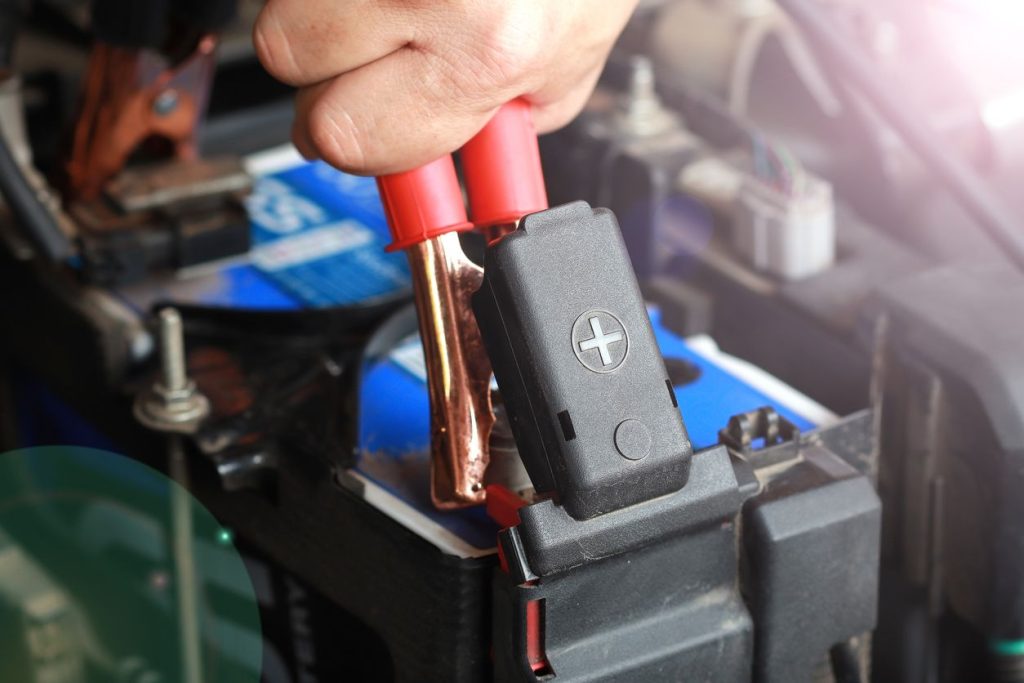
Jumpstarting a car involves using a charged battery from another vehicle or a jump starter to provide a temporary boost to the dead battery.
The process helps get the vehicle running by sending power to the battery to start the engine.
Once the engine is running, the alternator should take over and begin charging the battery again.
However, when the alternator is bad, it won’t be able to recharge the battery, meaning the car will only run as long as the battery has power. Once that power runs out, the car will stall again.
This is why jumpstarting a car with a bad alternator is only a temporary solution and not a permanent fix.
Can You Jumpstart a Car with a Bad Alternator?
The short answer is yes, you can jumpstart a car with a bad alternator, but the success of the jumpstart will be limited. Here’s why:
Temporary Boost
Jumpstarting your car can provide enough power to get the engine running, even if the alternator is bad.
However, because the alternator will not charge the battery, the engine will eventually stop once the battery runs out of power.
Battery Drain
A bad alternator will cause your battery to drain faster because it is not being recharged while the engine is running.
If you don’t replace the alternator soon, you may find yourself in the same situation shortly after the jumpstart.
Potential Damage
If you continue to drive a car with a bad alternator, you risk further damage to the electrical components of the car.
A failing alternator can cause issues with lights, air conditioning, and other critical systems.
In essence, jumpstarting a car with a bad alternator might get you moving again, but it won’t fix the root issue. You’ll need to address the alternator in your vehicle to keep it running reliably.
Eventually, you’ll need to replace the alternator to ensure your car can operate properly.
Signs Your Alternator Is Failing
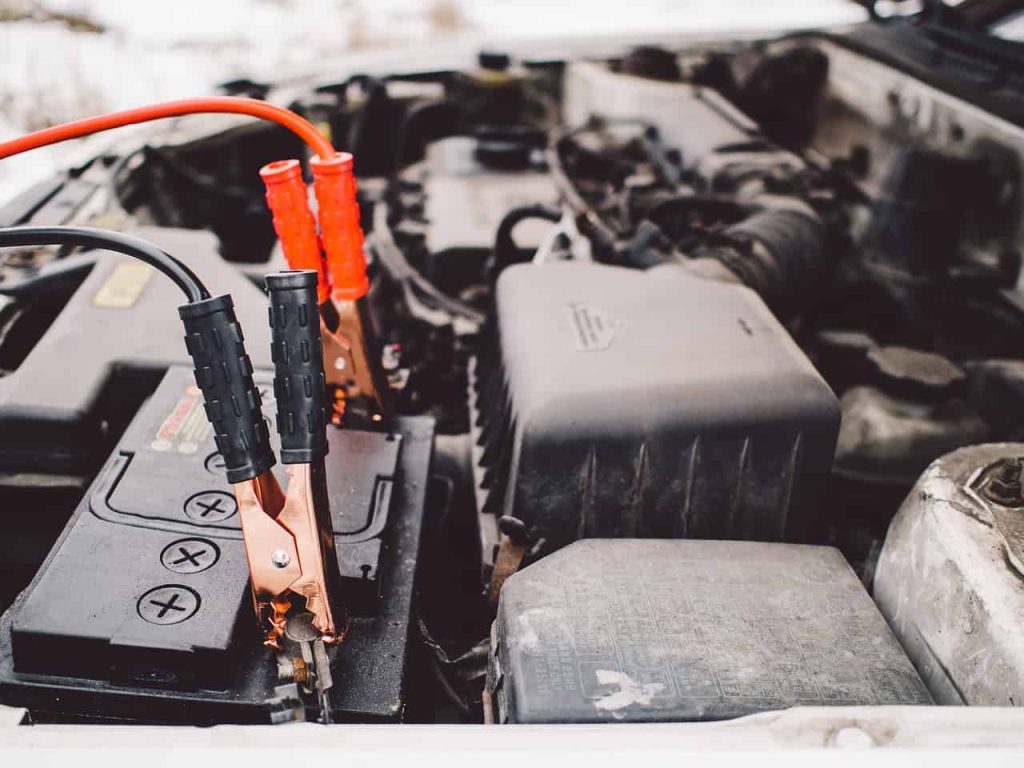
Before jumping to conclusions, it’s important to recognise the warning signs of a failing alternator.
If your alternator is showing signs of wear, it may be time to replace it to avoid further complications. Here are some common symptoms of a bad alternator:
Dim or Flickering Lights
If your car’s headlights or dashboard lights start to flicker or dim while driving, this could be a sign that the alternator isn’t generating enough power to keep the electrical systems running.
Battery Warning Light
The battery warning light on your dashboard may illuminate when there is a problem with the alternator.
If the alternator isn’t charging the battery, the warning light will often indicate that something is wrong.
Stalling Engine
If the alternator is not providing sufficient power to the engine, the car may stall, especially when idling or after driving for a while.
This is because the alternator is failing to supply the necessary power to keep the engine running smoothly.
Electrical Failures
If other electrical components in your vehicle, such as the air conditioning, radio, or power windows, begin to malfunction, it could be due to a bad alternator that isn’t supplying enough power to these systems.
Unusual Sounds
If you hear whining or grinding noises coming from the alternator area, it could indicate that the alternator is failing or that the bearings inside the alternator are worn out.
When Should You Replace the Alternator?
If you’re experiencing issues like dimming lights, engine stalling, or the battery warning light turning on, it’s time to replace your alternator. Ignoring the problem can lead to further damage and inconvenience.
A new alternator will restore proper charging, prevent electrical issues, and keep your car running smoothly.
Frequently Asked Questions
1. Can I jumpstart a car with a bad alternator?
Yes, you can jumpstart a car with a bad alternator, but it will only be a temporary solution. The alternator will not recharge the battery, so the car may stall again once the battery runs out of power.
2. How do I know if my alternator is bad?
Signs of a bad alternator include dimming lights, a battery warning light, stalling, electrical failures, and unusual sounds from the alternator.
3. How much does it cost to replace an alternator?
The cost to replace an alternator varies, but it generally ranges from $300 to $700, depending on your car model and the labour involved.
Conclusion
While jumpstarting a car with a bad alternator can provide a temporary solution, it is not a long-term fix.
The alternator plays a crucial role in keeping the battery charged and powering the vehicle’s electrical systems.
If you suspect a bad alternator, it’s important to have it tested and replaced as soon as possible to avoid further issues.
By addressing the problem early, you can keep your car running smoothly and prevent any additional damage.
