
When it comes to maintaining your vehicle’s engine, one of the most important factors to consider is the type of oil you use. Engine oil plays a critical role in lubrication, cooling, and cleaning the engine’s components. This is true whether you are focused on engine performance or other areas of car care such as automotive scratch and dent repair.
While you might be tempted to use diesel oil in a gas engine, it’s crucial to understand whether this is a good idea. Diesel and gasoline engines have different lubrication needs, and using the wrong oil can lead to significant engine damage.
In this blog, we’ll explore the question of whether you can use diesel oil in a gas engine, the potential risks involved, and why it’s important to choose the right type of oil for your vehicle.
Can You Use Diesel Oil in a Gas Engine?
No, diesel oil is not suitable for gasoline engines due to differences in viscosity and additives. Using diesel oil can lead to poor lubrication, overheating, and engine damage.
Key Takeaways:
- Diesel oil is not suitable for gasoline engines due to differences in viscosity and additives.
- Using diesel oil can cause poor lubrication, overheating, and engine damage.
- Always follow the manufacturer’s recommendations for the right oil type and viscosity.
- If diesel oil is accidentally used, drain and replace it immediately to prevent damage.
Diesel Oil vs. Gas Engine Oil: What’s the Difference?
To understand why using diesel oil in a gas engine is not advisable, it’s important to first look at the differences between the two types of oils.
Diesel Engine Oil: Specially Designed for Diesel Engines

Diesel engines operate under higher pressure and temperature conditions compared to gasoline engines. As a result, diesel oil is formulated with different additives and properties to handle these demanding conditions.
Some key features of diesel engine oil include:
Higher Viscosity: Diesel engines generate more heat and friction, so diesel oils are often thicker to provide better protection.
Additives for High-Compression: Diesel oil contains detergents, dispersants, and anti-wear additives designed to handle the soot and carbon buildup that diesel engines typically produce.
Increased TBN (Total Base Number): Diesel oil has a higher TBN to neutralize acids and other contaminants produced during combustion, which is crucial for the engine’s long-term health.
Gasoline Engine Oil: Designed for Gasoline Engines
Gasoline engines, on the other hand, are designed for lower pressure and temperature conditions. Gasoline engine oils are typically lighter, with different additives to handle the combustion process in gasoline engines.
Key characteristics include:
Lower Viscosity: Gasoline engine oils are usually thinner, allowing for easier flow and better fuel economy in lower-pressure environments.
Different Detergents: Gasoline engine oils use detergents and additives that are better suited to removing carbon deposits and contaminants from gasoline combustion.
Less Aggressive Additives: Since gasoline engines don’t produce as much soot or carbon as diesel engines, gasoline engine oil has fewer additives focused on dealing with these byproducts.
Why You Shouldn’t Use Diesel Oil in a Gas Engine
Now that we understand the differences between diesel and gasoline engine oils, let’s dive into the risks of using diesel oil in a gas engine.
Potential Damage to Engine Components
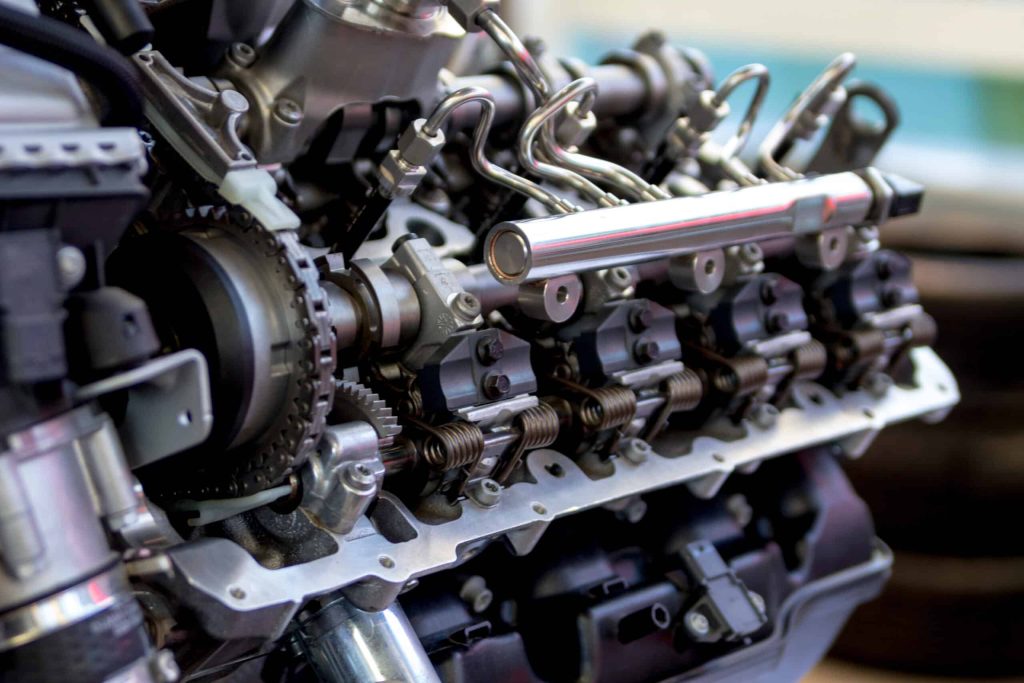
Diesel oils are typically thicker and designed to handle the higher pressures and heat found in diesel engines.
When used in a gasoline engine, this thicker oil can lead to several issues:
Reduced Lubrication Efficiency: The thicker diesel oil may not flow as freely through a gasoline engine, potentially causing poor lubrication, leading to wear and tear on engine parts.
Clogging: Diesel oil can cause the engine to become clogged with excess sludge and carbon, which can block the oil passages and reduce the effectiveness of your engine’s lubrication system.
Incompatibility with Engine Additives
Diesel oils contain additives that are beneficial for diesel engines but not necessarily for gasoline engines.
These additives, such as high levels of detergent and dispersants, can:
Cause Excessive Carbon Build-Up: Diesel engine oils are formulated to handle the higher soot levels found in diesel combustion. When used in a gasoline engine, these additives may cause carbon build-up and lead to inefficient combustion.
Impact Fuel Efficiency: The detergent additives used in diesel oil can affect fuel combustion in a gasoline engine, leading to poor fuel efficiency and overall performance.
Risk of Engine Overheating

Diesel engines run at higher temperatures, so diesel oils are designed to manage heat more effectively. However, using this type of oil in a gasoline engine can:
Cause Overheating: Because gasoline engines are designed to run cooler, the additional heat resistance properties in diesel oil might prevent the oil from dissipating heat properly. This could lead to overheating, which can damage the engine over time.
Voiding the Vehicle Warranty
Many vehicle manufacturers specify that only oil formulated for gasoline engines should be used in their cars.
Using diesel oil can:
Void Your Warranty: If you use diesel oil in your gasoline engine, it could potentially void your vehicle’s warranty, leaving you responsible for repairs if any damage occurs.
What to Do If You’ve Accidentally Used Diesel Oil in a Gas Engine
If you’ve mistakenly used diesel oil in your gas engine, it’s important to act quickly to avoid further damage. Here’s what you should do:
Drain the Oil Immediately
If you realize you’ve used diesel oil in your gasoline engine, the first step is to drain the oil as soon as possible. Running the engine with incorrect oil can cause serious damage, so it’s best to stop driving the vehicle immediately.
Replace the Oil and Filter
After draining the diesel oil, replace it with the correct oil designed for your gasoline engine. Don’t forget to replace the oil filter as well, as the filter may have already been contaminated by the diesel oil.
Monitor Your Engine
After replacing the oil, start the engine and monitor its performance. Listen for any unusual noises or check the engine for signs of overheating or excessive smoke. If you notice anything unusual, it’s important to consult a mechanic.
I have recently discussed how long does it take for diesel to ruin a gas engine. You check that post to know about it.
How to Choose the Right Oil for Your Gas Engine
Choosing the right oil for your gas engine is essential for optimal performance and longevity. Here are some tips to help you select the correct oil:
Check the Manufacturer’s Recommendation
Always refer to your vehicle’s owner’s manual to check the manufacturer’s oil recommendations. This will tell you the correct oil type, viscosity, and any specific additives needed for your engine.
Consider Synthetic vs. Conventional Oil
While conventional oil works well for most gas engines, synthetic oils provide superior performance in terms of durability and efficiency. Synthetic oils are engineered for high-performance engines and offer better protection against engine wear, extreme temperatures, and oil breakdown.
Choose the Right Viscosity
Viscosity refers to the thickness of the oil. It’s important to use the recommended oil viscosity for your gas engine.
Common viscosity grades include 5W-30, 10W-30, and 0W-20, among others. Always ensure you choose the right viscosity based on your engine’s needs and the outside temperature.
Using diesel oil can cause poor lubrication, overheating, and excessive wear on your engine components. Diesel oil also contains additives that are not suitable for gasoline engines and can result in poor performance and increased fuel consumption.
If you’ve accidentally used diesel oil in your gas engine, it’s important to drain the oil immediately, replace the oil filter, and refill with the correct gasoline engine oil. Regular oil changes with the right oil will keep your engine in top shape and prevent costly damage.
Always follow the manufacturer’s recommendations for oil type, viscosity, and additives to maintain optimal engine performance and longevity.
If you have any doubts, you can consider our service of diesel repair in Monfort Heights. We also offer specific Ford engine repair or diesel engine repair in general as well.
Frequently Asked Questions
1. Can I use diesel oil in my car’s gasoline engine?
No, diesel oil is designed for diesel engines and is not suitable for gasoline engines due to differences in the oils’ additives and viscosity.
2. What are the risks of using diesel oil in a gas engine?
Using diesel oil in a gas engine can lead to poor lubrication, overheating, carbon build-up, and engine damage.
3. How can I tell if I’ve used the wrong oil in my engine?
If you notice poor performance, overheating, or unusual engine noises, it’s possible that the wrong oil has been used. Consult a mechanic to assess the situation.
Conclusion
While it might seem tempting to use diesel oil in a gas engine, it’s not advisable due to the significant differences between the two oils. Diesel oils are formulated for high-compression, high-heat diesel engines, while gasoline engine oils are designed for lighter, cooler gas engines.
Using the wrong oil can lead to poor performance, engine damage, and even void your vehicle’s warranty.
To ensure your engine runs smoothly, always use the correct oil for your gas engine, as recommended by the manufacturer. Regular oil changes with the right oil type and viscosity are crucial for maintaining your engine’s health, fuel efficiency, and overall performance.
