
One of the most crucial maintenance tasks for any vehicle is changing the engine oil regularly. While oil changes are often overlooked or postponed, neglecting this task can result in a range of severe consequences for your engine and vehicle performance.
What Happens If You Don’t Change Your Oil?
Neglecting regular oil changes can lead to severe consequences for your engine. Without fresh oil, your engine parts will experience increased friction, leading to premature wear and tear.
Key Takeaways:
- Neglecting oil changes can lead to engine wear due to insufficient lubrication, causing parts to overheat, warp, and eventually fail.
- Dirty or old oil results in sluggish engine performance, reduced fuel efficiency, and potential engine damage.
- Without regular oil changes, contaminants and sludge accumulate, blocking oil circulation and increasing the risk of engine failure.
- Skipping oil changes can lead to serious engine damage, leading to expensive repairs or even the need for a complete engine replacement.
Why Is Oil So Important for Your Vehicle?
Before understanding the consequences of not changing your oil, it’s essential to know what oil does for your vehicle’s engine. Engine oil acts as a lubricant for the moving parts inside the engine.
It creates a thin barrier between metal surfaces, preventing friction and wear. Oil also helps absorb and disperse the heat generated by the engine’s components, ensuring the engine doesn’t overheat.
Furthermore, engine oil collects debris, dirt, and metal particles that naturally wear off the moving parts.
Without this filtration process, these particles would build up inside the engine, causing damage and affecting performance. Regular oil changes allow the engine oil to stay clean and effective, ensuring optimal performance.
Consequences of Not Changing Your Oil
Neglecting to change your oil may not result in immediate problems, but over time, it can lead to serious engine damage. Let’s explore the potential consequences:
1. Engine Wear and Tear
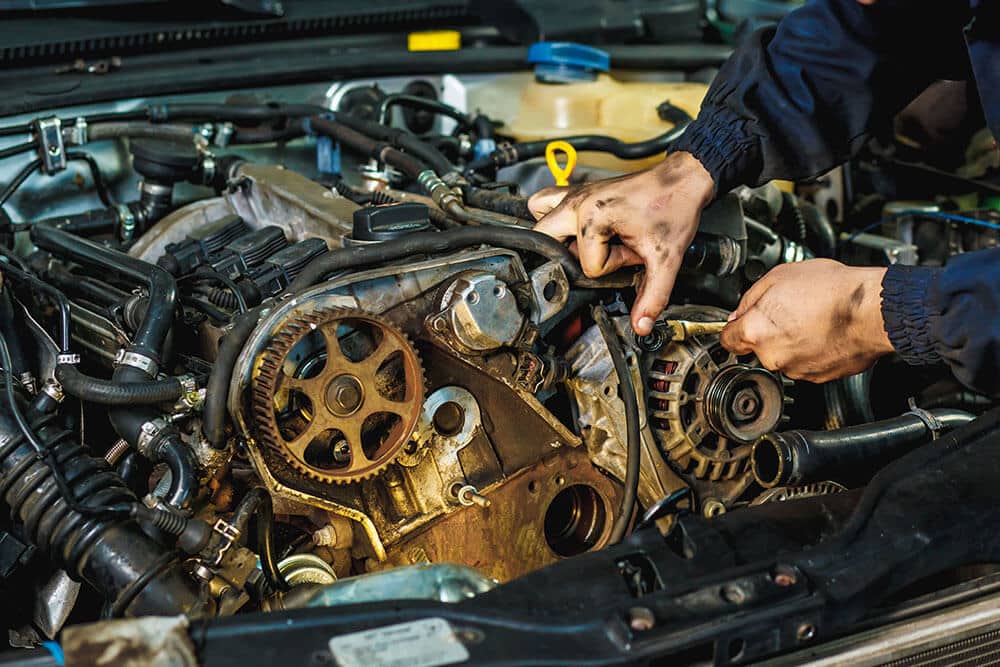
One of the most critical reasons for changing your oil regularly is to prevent engine wear. Over time, engine oil becomes contaminated with dirt and debris, losing its effectiveness as a lubricant.
When the oil is dirty or runs low, it can no longer provide the necessary lubrication to engine components.
This results in metal parts rubbing against each other, causing friction, wear, and, eventually, costly engine damage. If not addressed, this can lead to complete engine failure.
2. Overheating
Engine oil also plays a vital role in maintaining the temperature of your engine. It absorbs and dissipates heat to prevent overheating. Without fresh oil, the engine’s components will generate excessive heat, which can cause parts to warp, crack, or seize up.
In severe cases, this can result in engine failure, leading to expensive repairs or replacement.
If your engine overheats, it could cause significant damage to the gaskets, seals, and other essential parts, and might even lead to a blown head gasket.
3. Decreased Engine Performance

Dirty oil or low oil levels cause the engine to work harder, reducing its overall performance. You may notice decreased acceleration, a rough idle, or lower fuel efficiency.
If left unchecked, these performance issues will only worsen, leading to more significant and expensive engine repairs. Furthermore, a sluggish or underperforming engine can be a sign that the oil is too old and unable to circulate properly.
4. Contaminated Oil and Engine Blockage
Oil naturally breaks down over time and becomes contaminated with particles and sludge. If you don’t change your oil regularly, these contaminants will accumulate, leading to thickened, tar-like oil.
This sludge can cause blockages in the oil filter, oil pump, and engine passages. The result is poor oil circulation, which can cause even further damage to the engine.
Blockages can lead to a lack of lubrication, overheating, and, ultimately, engine failure.
5. Increased Fuel Consumption
As the oil becomes dirtier and less effective at lubricating the engine, the vehicle will work harder to operate.
This increases the amount of fuel needed to power the engine, which leads to a decrease in fuel efficiency. Not changing the oil can, therefore, result in higher fuel costs.
6. Corrosion and Rust
Old, dirty oil can accumulate moisture, which can cause rust and corrosion in the engine. When water and contaminants mix with the oil, it can create a corrosive sludge that damages metal components.
This corrosion can weaken engine parts and cause further deterioration, leading to costly repairs.
7. Complete Engine Failure
If neglected long enough, failure to change your oil can result in complete engine failure. The longer the engine is run without fresh oil, the more damage is done.
Eventually, the engine components will seize up, causing catastrophic damage. A seized engine is usually irreparable and will require the engine to be completely replaced, which is a costly process.
How to Prevent Oil-Related Engine Damage
The best way to prevent all of these issues is to stick to a regular oil change schedule. The frequency of oil changes depends on several factors, including the make and model of your car, the type of oil you use, and your driving habits.
Generally, you should change your oil every 3,000 to 5,000 miles but always refer to your vehicle’s owner manual for the manufacturer’s specific recommendation.
Additionally, consider the following tips for prolonging the life of your engine:
Use the Right Oil: Always use the recommended oil type and grade for your vehicle. Some cars may require synthetic oil, while others are fine with conventional oil.
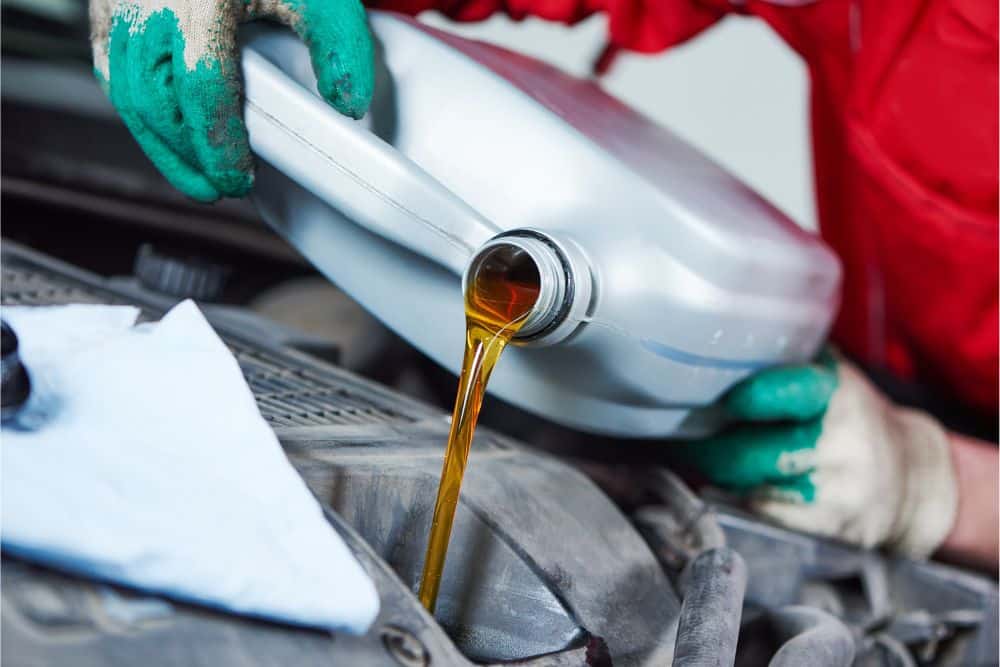
Check Oil Levels Regularly: Make it a habit to check your oil level using the dipstick every few weeks. If the oil level is low, add more oil to prevent engine damage.
Look for Oil Leaks: If you notice oil spots on your driveway or in the engine compartment, get it checked immediately. Leaking oil can cause your engine to run dry, leading to damage.
If you want some help, we at URBS Garage offer BMW oil change in Monfort Heights and for many other brands including Honda and Mercedes.
Apart from that, we also offer services of BMW oil change in Finneytown, and for other popular brands like Honda and Nissan.
When Should You Change Your Oil?
While the general recommendation is to change your oil every 3,000 to 5,000 miles, the frequency can vary depending on several factors:
Driving Conditions: If you frequently drive in stop-and-go traffic, extreme temperatures, or tow heavy loads, your oil will degrade more quickly, and you may need to change it more frequently.
Oil Type: Synthetic oils generally last longer than conventional oils. If your vehicle uses synthetic oil, you might not need to change it as often—every 7,500 to 10,000 miles is common.
Manufacturer Recommendations: Always check your car’s manual for specific oil change intervals. Some vehicles, especially newer models, have extended oil change intervals, thanks to advanced engine technologies.
Frequently Asked Questions
1. What happens if I don’t change my oil?
If you don’t change your oil, it can cause engine wear, overheating, reduced performance, and in severe cases, complete engine failure. Regular oil changes are essential for keeping your engine running smoothly.
2. How often should I change my oil?
The general recommendation is every 3,000 to 5,000 miles, but it depends on the type of oil used and driving conditions. Always follow your manufacturer’s recommendations for the best results.
3. Can I go longer than 5,000 miles without changing my oil?
Depending on your car’s specifications and the oil used, you may be able to go longer. Some vehicles with synthetic oil may go up to 7,500 to 10,000 miles between oil changes.
Check your owner’s manual for guidance.
Conclusion
Not changing your oil regularly can have severe consequences for your vehicle’s engine. From engine wear and overheating to reduced performance and even complete engine failure, the risks of neglecting oil changes are significant.
