
The check engine light (CEL) is one of the most common warning signals in modern vehicles. It can indicate a variety of issues with your car, ranging from simple to serious problems.
While a steady check engine light often signals a non-urgent issue, a flashing check engine light is a different matter entirely.
What to Do If Your Check Engine Light Is Flashing When Accelerating?
If your check engine light is flashing while accelerating, pull over safely, turn off the engine, and check for symptoms like rough idling. Call for assistance and get a diagnostic check from a mechanic.
Key Takeaways:
- A flashing check engine light indicates a serious issue, such as an engine misfire or fuel system problem.
- Pull over and stop driving immediately to avoid further damage to the engine.
- Get a diagnostic check as soon as possible to identify and repair the issue.
Why Is the Check Engine Light Flashing When Accelerating?
If you notice that the check engine light is flashing when you’re accelerating, it’s a sign that something may be wrong with your engine or the related systems, and it should not be ignored.
In this blog, we will explore why the check engine light flashes when accelerating, what could be causing it, and what you should do about it.
By understanding the possible causes, you can take the right steps—like scheduling a timing chain repair in Burlington, KY—to fix your vehicle before the issue gets worse. This is also important for people comparing the cost difference between EV and hybrid maintenance while evaluating long term vehicle care.
What Does a Flashing Check Engine Light Mean?

A flashing check engine light indicates a serious issue that requires immediate attention.
Unlike a steady check engine light—which usually points to minor issues like a loose gas cap or small sensor glitch—a flashing light signals something more serious. It often means the engine is misfiring or could suffer damage without immediate attention, possibly needing services like throttle body cleaning in Burlington, KY, to resolve airflow-related problems.
Common Causes for a Flashing Check Engine Light When Accelerating
Several issues could be causing the check engine light to flash during acceleration. Let’s explore some of the most common causes:
1. Engine Misfire
An engine misfire is one of the most common reasons for a flashing check engine light.
This happens when one or more cylinders in the engine fail to fire properly, often causing rough idling, reduced power, and higher emissions. In some cases, misfires may be linked to issues that benefit from services like throttle body cleaning in Finneytown. Misfires can also occur due to:
Worn-out spark plugs: Spark plugs are responsible for igniting the fuel-air mixture in the engine cylinders. Over time, they can become dirty or worn out, leading to misfires.
Faulty ignition coils: Ignition coils provide the spark needed for combustion in the engine. If they fail, the engine can misfire, especially under load (such as during acceleration).
Fuel injector problems: If the fuel injectors aren’t delivering fuel properly to the engine, it can result in an engine misfire. Poor fuel delivery can cause hesitation and a flashing check engine light when accelerating.
2. Catalytic Converter Issues
The catalytic converter plays a critical role in reducing emissions by converting harmful gases into less harmful ones.
However, when the engine misfires or there’s unburned fuel in the exhaust, the catalytic converter can overheat and fail. If this happens, the check engine light will often flash when the car is under load (such as when accelerating).
3. Fuel System Problems

Problems within the fuel system can cause the engine to misfire and trigger a flashing check engine light. These issues can include:
Clogged fuel filters: A clogged fuel filter restricts fuel flow to the engine, causing it to starve for fuel, especially under acceleration.
Fuel pump problems: If the fuel pump isn’t working properly, it can fail to deliver enough fuel to the engine during acceleration, causing a rough or uneven ride and triggering the check engine light.
4. Exhaust System Leaks
Leaks in the exhaust system, including the exhaust manifold, can lead to a flashing check engine light when accelerating.
If there is a leak in the exhaust system, the car may have difficulty regulating engine pressure, and the engine can misfire.
This often causes a loss of power, poor acceleration, and rough engine performance.
5. Vacuum Leaks
The engine relies on a system of vacuum hoses to control various components, including the fuel system and emissions control system.
A vacuum leak can result in unregulated airflow, which can lead to engine misfires, rough idling, and poor acceleration. If a vacuum leak is present, it could trigger a flashing check engine light.
6. Timing Belt or Chain Problems
The timing belt or chain is essential for ensuring that the engine’s intake and exhaust valves open and close at the correct times.
If the timing belt or chain is worn or damaged, it can cause poor engine performance, misfires, and a flashing check engine light.
If it’s due for a timing belt change in Monfort Heights, replacing it on time can help prevent costly engine damage.
7. Bad Sensors
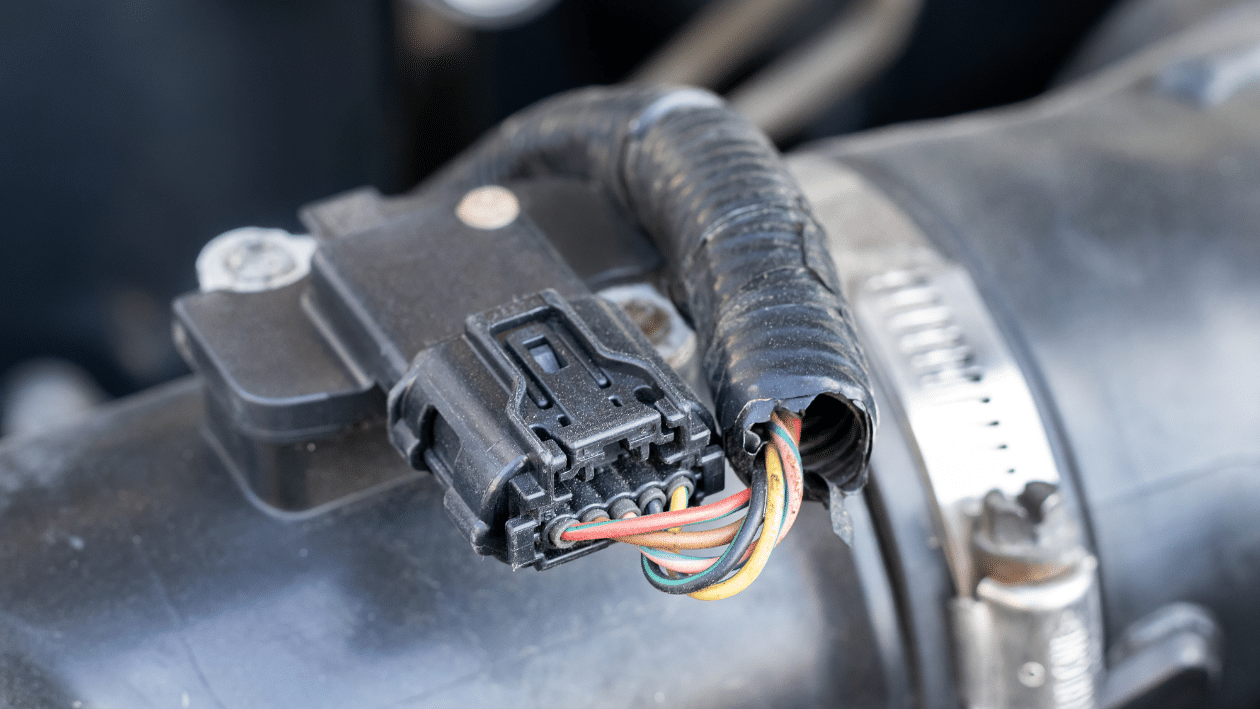
Modern vehicles are equipped with various sensors that monitor different systems within the engine.
Sensors like the oxygen sensor, mass airflow (MAF) sensor, and crankshaft position erlanger service all play an important role in regulating engine performance. However, issues with these sensors can sometimes be traced back to electrical problems.
For instance, can jumpstarting a car damage the ECU? Yes, it’s possible—if not done correctly, jumpstarting can cause voltage spikes that may harm sensitive electronic components, including the ECU and related sensors. Always follow proper procedures and use surge-protected equipment when jumpstarting a vehicle.
A malfunctioning sensor can send inaccurate information to the engine control unit (ECU), causing the engine to run poorly and trigger a flashing check engine light. Car ECU explained simply: it’s the brain of your vehicle, processing data from various sensors to optimize engine performance, fuel efficiency, and emissions. When the ECU receives faulty data, it can’t properly manage these systems, leading to performance issues and warning lights.
What to Do When the Check Engine Light Is Flashing
If your check engine light flashes while accelerating, it’s crucial to investigate the cause right away. One possible factor could be faulty spark plugs, which play a key role in engine performance. If you’re wondering what does a spark plug do in a car, it helps ignite the air-fuel mixture, ensuring smooth operation. Here are the steps you should take to resolve the issue:
1. Pull Over Safely
The first step when you notice a flashing check engine light is to pull over safely. This light flashing indicates a serious issue, often related to engine misfires, which can harm the engine if you continue to drive.
Turn off the engine immediately to prevent further damage. It’s crucial to stop driving to reduce the risk of the engine being damaged more severely.
2. Check for Other Symptoms
Once your vehicle is safely stopped, pay attention to any other symptoms your car might be exhibiting.
If you’re noticing these symptoms, it might point to a deeper issue—often one that calls for timing chain repair. Common signs to watch for include:
Rough idling: If your engine is shaking or vibrating, this could indicate an issue with fuel injection, the spark plugs, or the ignition system.
Engine misfires: If you feel your car hesitate, or if the acceleration is jerky, it may be experiencing an engine misfire.
Strange noises: Unusual sounds from the engine, like knocking or sputtering, can help identify a specific issue.
Loss of power: A noticeable decrease in performance or a lack of power when accelerating may indicate a problem with the engine’s performance system.
Take note of any of these symptoms and make a mental note of how your vehicle is behaving. This information will help the mechanic narrow down the issue.
3. Call for Assistance
If you are unsure about the severity of the situation, it’s always better to call for assistance. You can call a tow service to transport your vehicle to a mechanic or auto repair shop.
This way, you can avoid driving the car further, preventing any additional damage to the engine or other critical components.
4. Get a Diagnostic Check
Once your vehicle has been safely transported to any ASE certified mechanic, they will perform a diagnostic check using an OBD-II scanner.
This tool connects to your vehicle’s computer system and retrieves error codes that help pinpoint the cause of the flashing check engine light.
Common causes include issues like faulty spark plugs, fuel system problems, or even more serious issues like a failing catalytic converter or damaged sensors.
At URBS Garage, we offer our service of auto diagnostics in Finneytown from which you can easily find out the problems in your vehicle. Do visit us and we won’t disappoint you for sure.
5. Repair the Issue
After the problem has been diagnosed, your mechanic will provide a list of necessary repairs.
The severity of the problem will determine the cost and time involved. In some cases, the issue may be something simple, such as a spark plug replacement, which can be done quickly and inexpensively. If you’re experiencing performance issues or warning lights, it’s best to schedule an engine repair in Monfort Heights as soon as possible. Early diagnosis can save you time and money in the long run while keeping your vehicle running smoothly.
In other cases, the issue may be more complex, such as a damaged catalytic converter or fuel injector problems, which could require significant repair work.
Frequently Asked Questions:
1. What does a flashing check engine light mean?
A flashing check engine light indicates a serious issue, such as engine misfire or fuel system problems, and should be addressed immediately to avoid potential damage to the engine.
2. Can I continue driving with a flashing check engine light?
No, continuing to drive with a flashing check engine light can lead to severe engine damage and increased repair costs. It’s best to stop and have the vehicle diagnosed and repaired promptly.
3. What causes a check engine light to flash while accelerating?
A flashing check engine light during acceleration is typically caused by an engine misfire, fuel system issues, or problems with the ignition system. In such cases, it’s important to inspect components like the ignition coil—knowing how to test ignition coil with multimeter can help identify if it’s the source of the issue. Immediate attention is required to prevent further damage.
Conclusion
A flashing check engine light when accelerating is a serious warning that something is wrong with your vehicle.
It often indicates a misfire or an issue that could lead to significant engine damage if left untreated.
By paying attention to the flashing light and addressing the issue promptly, you can prevent costly repairs and keep your vehicle running smoothly.
By staying on top of regular maintenance and addressing any flashing check engine lights promptly, you can ensure that your vehicle stays in top condition and runs safely for many years to come. In some cases, a persistent check engine light could indicate a serious issue, such as a failing engine control unit (ECU). If this happens, it’s important to understand the cost to replace car ECU, which can range from a few hundred to over a thousand dollars depending on the make and model of your vehicle.
