
Adding transmission fluid is an essential part of vehicle maintenance, ensuring your car’s transmission operates smoothly and efficiently. Let’s find out whether you can do that when the engine is on.
Do You Leave the Car Running When Adding Transmission Fluid?
Yes, for automatic transmissions, the engine should be running to circulate the fluid and ensure accurate readings. For manual transmissions, the car should be off.
Key Takeaways:
- For automatic transmissions, keep the engine running while adding fluid for proper circulation and accurate levels.
- For manual transmissions, the car should be off when adding fluid.
- Overfilling transmission fluid can cause foaming, shifting issues, and seal damage.
- Regularly check transmission fluid levels and address any leaks or abnormal fluid conditions promptly.
Should You Leave the Car Running When Adding Transmission Fluid?

The answer depends on the type of transmission in your vehicle and the manufacturer’s recommendations. Generally, the car should be running while adding transmission fluid, but it’s important to follow specific guidelines to do it safely.
For Automatic Transmissions
In most cases, if your car has an automatic transmission, the car should be running when you add transmission fluid. Keeping the engine running helps circulate the fluid through the transmission, ensuring that the fluid level is accurate.
For Manual Transmissions
If you have a manual transmission, the process is slightly different. Typically, the car should be off while adding fluid. There’s no need for the engine to be running, and the process mainly involves ensuring the car is level, so the fluid can be properly added.
Why Leave the Car Running?
When adding transmission fluid to an automatic transmission, the car needs to be in the “Park” position with the engine running so that the fluid can circulate properly.
When the car is idling, it allows the transmission pump to circulate the new fluid through the system, providing a more accurate reading of the fluid level. This also ensures that the fluid is properly distributed throughout the transmission system, reaching all necessary components.
If the car isn’t running, the fluid may not flow correctly, leading to incorrect readings, and you might end up adding too much or too little fluid. This can affect the transmission’s performance, leading to possible shifting issues or even transmission damage.
If you’ve already had shifting issues or added too much fluid in the past, the damage might be done. In that case, looking into rebuilt transmissions in Burlington KY could be the smarter move to get your car running like new again—without the price tag of a full replacement.
In general, for an automatic transmission, it’s recommended to keep the car running while adding fluid. This ensures the fluid circulates properly through the system, providing accurate readings and optimal lubrication.
However, for manual transmissions, the car should be off. Whether you’re adding fluid to prevent slipping gears or just doing routine maintenance, knowing when to keep the engine on or off is crucial.
Follow the manufacturer’s guidelines, and always check the fluid level once the job is done. Overfilling transmission fluid can cause serious issues, so take care to add the correct amount. If you also have other vehicle concerns such as windshield crack repair, it’s best to address them promptly to avoid further damage.
If live in Monfort Heights and are not sure how to follow the above steps I would suggest you get our service of transmission repair in Monfort Heights and we’ll take care of everything for you.
How to Add Transmission Fluid Safely
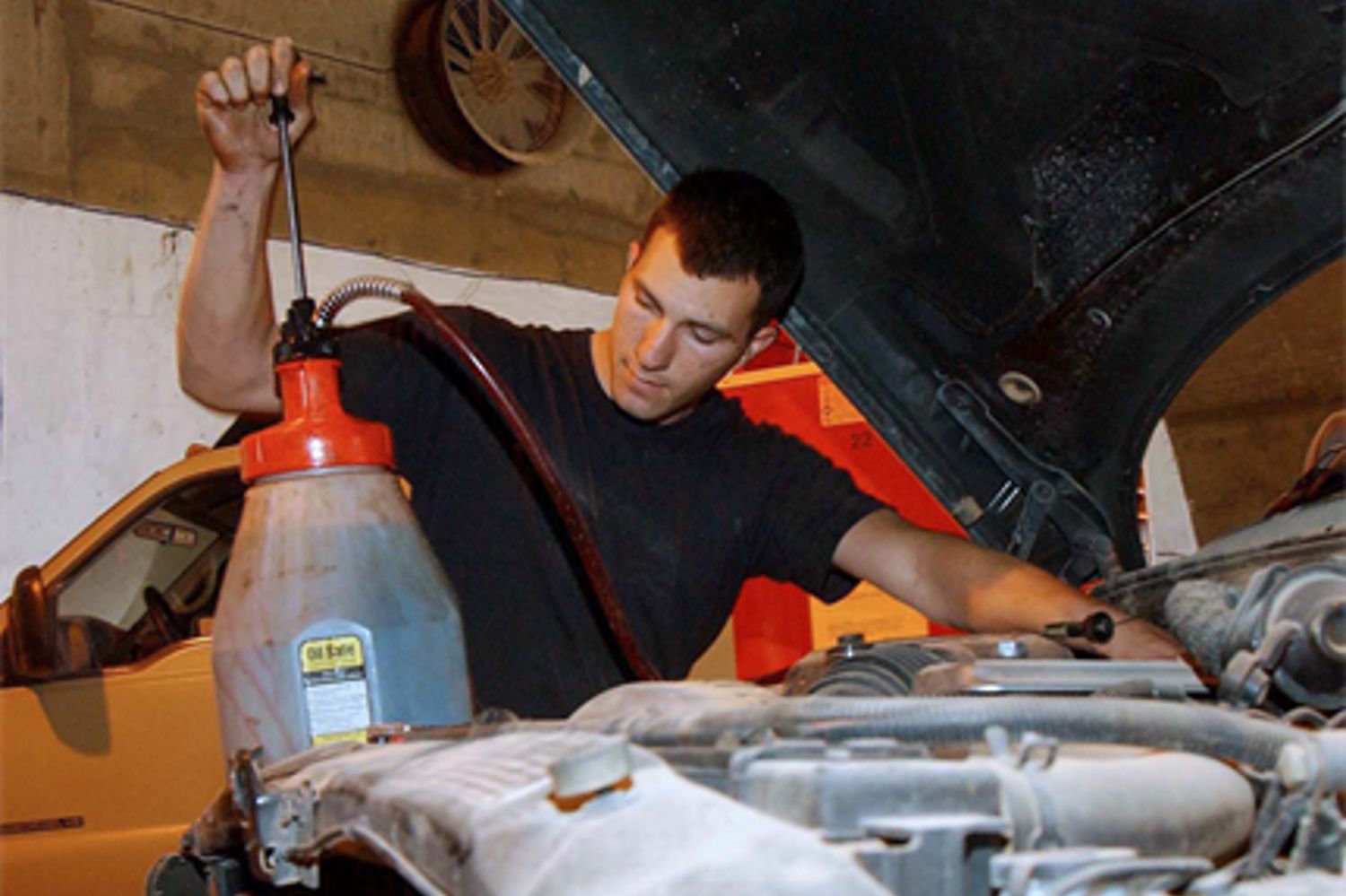
If you’re adding transmission fluid to your car yourself, it’s essential to do so safely and correctly. Here’s a step-by-step guide:
Check the Fluid Level
Before adding transmission fluid, it’s important to check the existing fluid level. Most cars have a dipstick for the transmission fluid, similar to the engine oil dipstick. Make sure your car is on level ground and the engine is warm. This will give you an accurate reading.
Identify the Transmission Fluid Filler Tube
Locate the transmission fluid filler tube, which is usually near the dipstick. This tube is where you will add the new fluid. Check your car’s owner manual to confirm the exact location, as it can vary depending on the model and make of the vehicle.
Ensure the Engine is Running
If you have an automatic transmission, start the engine and let it idle. Put the car in “Park” mode to ensure the vehicle doesn’t move while you’re adding fluid.
Add the Fluid
Using a funnel, slowly pour the recommended transmission fluid into the filler tube. Be sure to use the correct type of fluid specified by the manufacturer. You can find this information in your owner’s manual or on the dipstick itself.
Check the Fluid Level Again
After adding fluid, check the level again by pulling the dipstick out and wiping it clean. Reinsert the dipstick and pull it out once more to check the level. If the fluid level is still low, add a little more fluid, checking the level regularly to avoid overfilling.
Turn Off the Car
Once you’re finished, ensure the fluid is at the proper level, then turn off the engine. For safety, make sure the transmission fluid cap is securely fastened.
What Happens If You Add Too Much Transmission Fluid?
While it’s important not to run your vehicle with low transmission fluid, it’s also crucial not to overfill it. Adding too much transmission fluid can cause a range of problems, including:
Foaming: Overfilled transmission fluid can foam, which reduces its ability to lubricate the transmission properly.
Shifting Issues: Excessive fluid can cause shifting problems, such as rough or delayed shifts.
Seal Damage: The excess pressure created by overfilled transmission fluid can damage seals, leading to leaks and other problems.
How Often Should You Add Transmission Fluid?
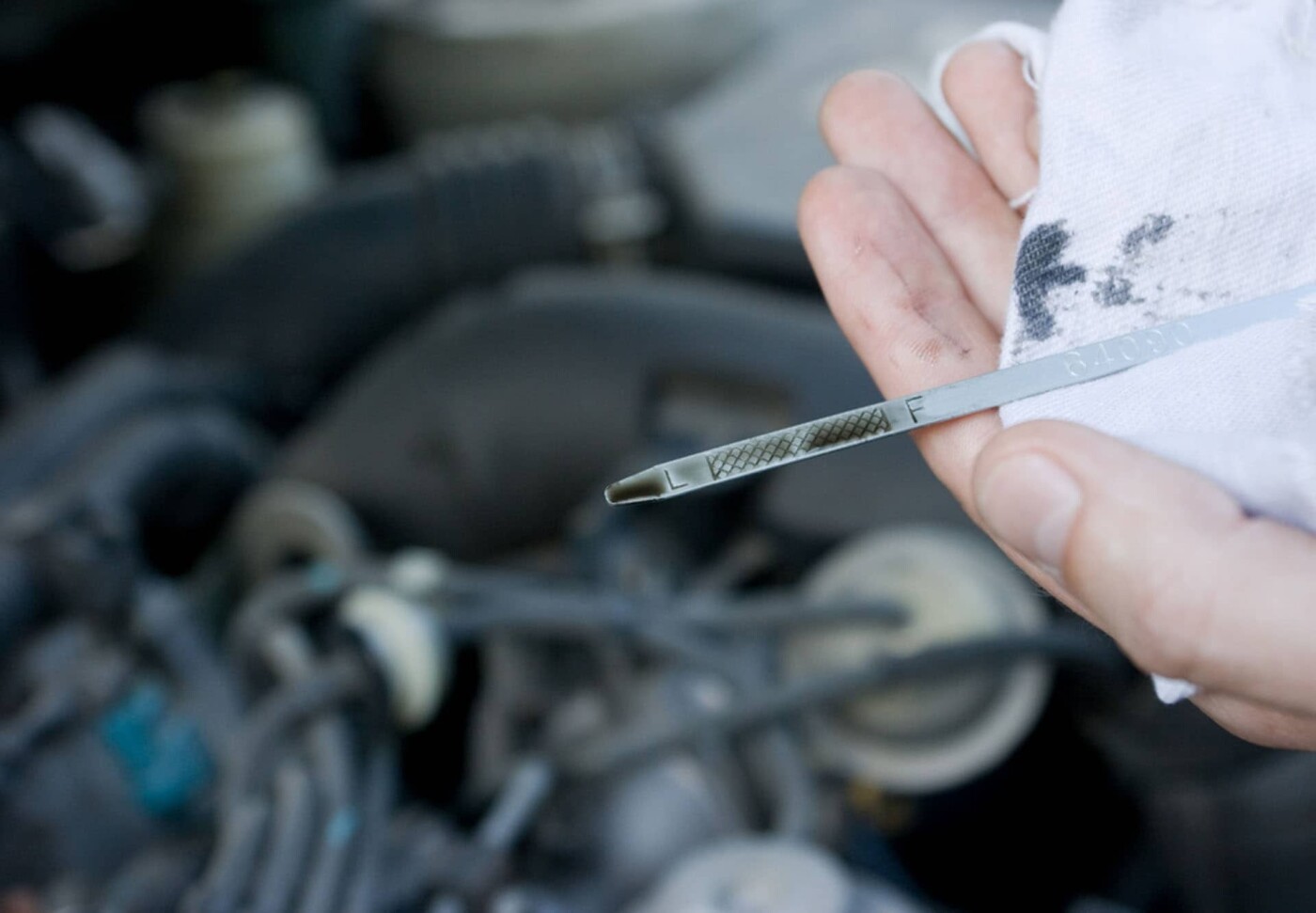
Transmission fluid is typically added or topped off when it’s low. Unlike engine oil, which needs to be changed regularly, transmission fluid generally lasts longer.
An engine oil additive is a substance added to engine oil to improve its performance, such as reducing friction, cleaning contaminants, or preventing oil breakdown. It’s often used to extend the life of the engine oil or improve engine performance.
However, you should still monitor your fluid levels and check them regularly to ensure they stay within the recommended range.
If you notice that the transmission fluid is consistently low, it could indicate a leak, which should be inspected by a mechanic as soon as possible.
If your fluid looks dirty, has a burnt smell, or appears to have metal particles in it, you may need a full transmission fluid change rather than just adding fluid.
Signs Your Car May Need Transmission Fluid
In addition to checking the fluid level yourself, be on the lookout for signs that your transmission may need fluid:
Slipping Gears: If your car is having trouble staying in gear or unexpectedly changes gears, it could be a sign that your transmission fluid is low.
Delayed Shifting: If there is a noticeable delay between shifting gears, this could indicate that the fluid level is low or the fluid is too old to perform optimally.
Unusual Noises: Grinding or whining noises from the transmission could be a sign that the fluid is low and not properly lubricating the parts.
Warning Lights: If your car has a check engine or transmission warning light, it’s important to address it immediately to avoid further damage.
If you have any other issues with your vehicle, you can get our service of auto diagnostics in Monfort Heights and we’ll tell you what issues you may have with your vehicle.
Frequently Asked Questions
1. Can I add transmission fluid without the car running?
For automatic transmissions, it’s recommended to have the engine running while adding fluid to ensure proper circulation and accurate fluid levels. For manual transmissions, the car should be off while adding the fluid.
2. How can I tell if I’ve overfilled my transmission fluid?
Overfilling can cause foaming, rough shifting, and damage to seals. If the fluid level is higher than the recommended amount, you may experience shifting issues or other transmission problems.
3. How often should I add transmission fluid?
Transmission fluid doesn’t need to be added frequently, but it’s essential to check it regularly. If the fluid is low or dirty, top it off or change it as necessary.
Conclusion
Adding transmission fluid is an essential part of maintaining your vehicle’s transmission and ensuring smooth operation.
For automatic transmissions, it’s generally recommended to keep the engine running while adding the fluid to ensure proper circulation and an accurate reading. However, for manual transmissions, the car should be off while adding the fluid.
By following proper maintenance procedures and checking your fluid levels regularly, you can keep your transmission functioning optimally and avoid costly repairs. If you’re unsure about the process or experience any issues with your transmission, it’s always best to consult a professional mechanic.
