
If you’ve noticed a red or brownish puddle under your car, it could be a sign of a transmission fluid leak. Transmission fluid is vital for the smooth operation of your car’s transmission system, providing lubrication and cooling to its internal components. , especially when weighing options like transmission rebuild vs replacement after prolonged damage.
A leak can lead to serious issues, affecting the performance of your car’s transmission and causing costly repairs if not addressed promptly. In some cases, drivers wonder how repairs and coverage work compared to things like windshield repair insurance, but transmission issues usually require separate attention.
Why is my car leaking transmission fluid?
Your car may be leaking transmission fluid due to damaged seals, cracked pans, loose cooler lines, or a faulty pump. Prompt repair is crucial to prevent further damage that could eventually require a new transmission.
Key Takeaways:
- Transmission fluid leaks are often caused by damaged seals, cracked pans, or faulty cooler lines.
- Signs of a leak include red or brown puddles, slipping gears, or rough shifting.
- Addressing leaks promptly can prevent costly transmission damage.
- Regular maintenance helps identify and prevent leaks.
Common Causes of Transmission Fluid Leaks
There are several reasons why your car might be leaking transmission fluid. Below are some of the most common causes:
1. Worn or Damaged Seals and Gaskets
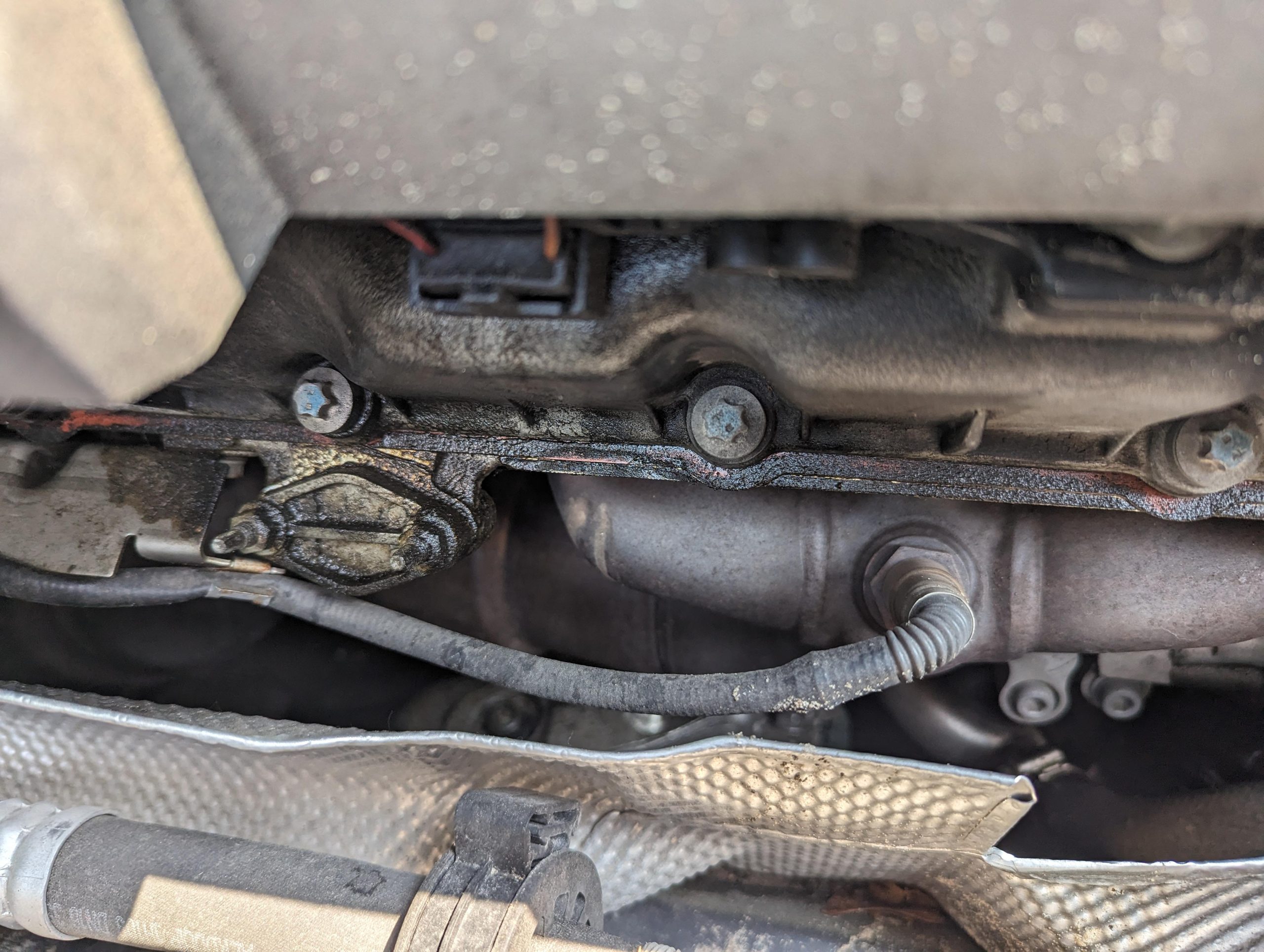
The most common cause of a transmission fluid leak is worn or damaged seals and gaskets. These seals, often made from rubber, are responsible for keeping the transmission fluid in place and preventing it from leaking out.
Over time, the heat and pressure from the transmission system can cause seals and gaskets to wear down, leading to leaks.
How to Fix It:
If a seal or gasket is the culprit, it may need to be replaced. This is typically a job best left to a professional mechanic, as it involves removing parts of the transmission to access the seals.
Regularly inspecting and replacing seals as part of your vehicle’s maintenance schedule can help prevent leaks from occurring.
2. Damaged Transmission Pan
The transmission pan is located at the bottom of the transmission and holds the transmission fluid.
Over time, the pan can become damaged due to road debris or from the wear and tear of regular driving. When the pan is cracked or punctured, transmission fluid can leak from the pan, resulting in a low fluid level.
How to Fix It:
If your transmission pan is damaged, it will likely need to be replaced. While this can be a relatively simple fix, it’s important to ensure that the replacement pan is installed correctly to avoid future leaks.
A mechanic can quickly assess and repair this issue during a routine inspection.
For beginners, I have published a post on how much transmission fluid does a car hold. If you don’t know about it, this post will clear your doubts.
3. Loose or Broken Transmission Cooler Lines
In many cars, transmission fluid is cooled by flowing through cooler lines that lead to the radiator. Over time, these lines can become loose, cracked, or corroded, leading to fluid leaks. This can happen due to vibration, age, or damage from road debris.
How to Fix It:
If the transmission cooler lines are damaged or loose, they will need to be either tightened or replaced. It’s essential to ensure that these lines are properly sealed to avoid any future leaks. Mechanics can check for leaks in these lines during regular maintenance.
If the damage from leaking cooler lines has gone unchecked for too long, it could’ve already done a number on your transmission. In that case, a transmission rebuild in Erlanger KY might be the best way to restore solid, reliable shifting without a full replacement, especially when handled by experienced manual transmission rebuilders.
4. Faulty Transmission Fluid Pump
The transmission fluid pump is responsible for circulating fluid throughout the transmission system. If the pump becomes faulty or is not working properly, it can lead to a fluid leak.
A malfunctioning pump may cause the fluid to leak out, often leading to low fluid levels in the transmission.
How to Fix It:
Replacing a faulty transmission fluid pump can be complex and often requires the removal of other components to access the pump. This is a repair best handled by a professional mechanic.
5. Worn Transmission Filter

The transmission filter helps keep contaminants from entering the transmission fluid. Over time, this filter can become clogged or worn, leading to poor fluid flow and potential leakage. When the filter isn’t functioning properly, it can allow particles to accumulate, causing the transmission to overheat or fail.
How to Fix It:
Replacing the transmission filter is a relatively simple process that’s typically included as part of regular transmission maintenance. If you notice a transmission fluid leak, it’s worth checking the filter to ensure it’s clean and functioning properly.
Signs of a Transmission Fluid Leak
Transmission fluid leaks are often easy to spot, but sometimes they can be more subtle. Here are a few signs that you may have a transmission fluid leak:
1. Red or Brown Puddles Under Your Car
One of the most obvious signs of a transmission fluid leak is the presence of red or brown fluid on the ground where you park your car. Fresh transmission fluid is bright red, but it will turn brown as it ages.
If you notice these puddles, it’s a clear indicator that your vehicle is leaking transmission fluid.
2. Slipping Gears
Low transmission fluid levels can cause your car’s gears to slip, leading to an erratic driving experience. If you’re finding that your car has trouble staying in gear or shifts unexpectedly, it could be a sign that there is a leak, and the fluid levels are low.
3. Overheating Transmission
Transmission fluid not only lubricates the moving parts but also helps keep the transmission cool. If you’re running low on fluid due to a leak, your transmission may overheat.
Signs of an overheating transmission include strange noises, a burning smell, and the transmission light coming on.
4. Delayed or Rough Shifting
When the transmission fluid is low, it may not be able to provide the proper hydraulic pressure needed to engage the gears correctly. This can result in delayed or rough shifting when you change gears.
How to Fix a Transmission Fluid Leak
If you’ve identified that your car is leaking transmission fluid, it’s important to address the issue as soon as possible to avoid further damage. Ignoring such leaks can lead to severe transmission problems that may eventually require a full rebuild — and it can take hours to rebuild a transmission, not to mention the high cost involved. Here’s how to fix a transmission fluid leak:
Check the Fluid Level
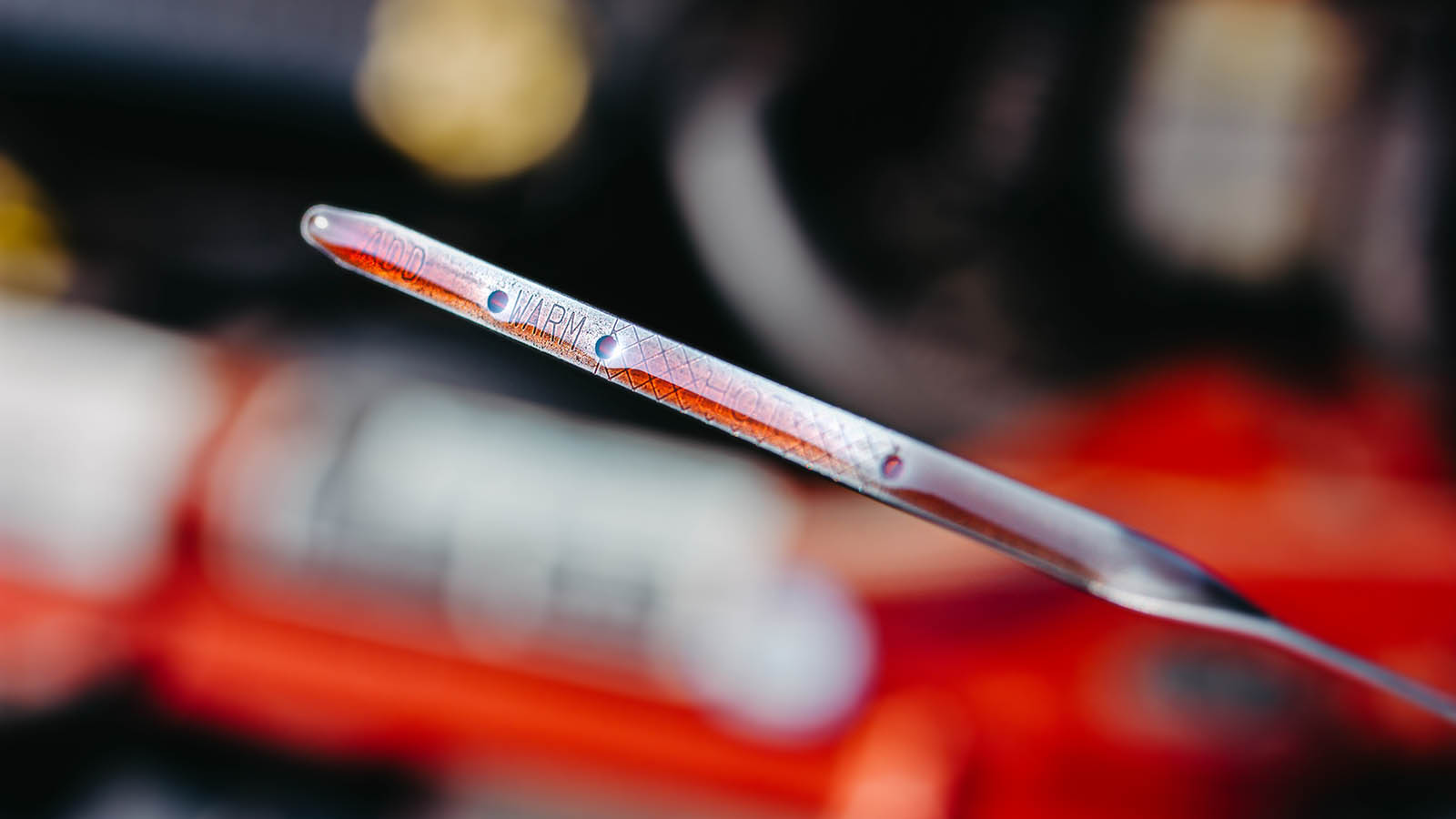
Before making any repairs, check the transmission fluid level. If the fluid is low, top it up with the correct fluid recommended by your car’s manufacturer. This will help you determine if the leak is minor or if there is a more significant issue.
Inspect for the Source of the Leak
If the fluid level is low, the next step is to locate the source of the leak. Check around the transmission pan, fluid lines, and seals. If you can’t identify the leak, it’s best to take your car to a professional mechanic who can do a more thorough inspection.
Repair or Replace Damaged Parts
Once you’ve located the source of the leak, it’s time to make repairs. Whether it’s replacing a seal, tightening the fluid lines, or replacing a damaged pan, addressing the issue will stop the leak and prevent further damage.
Keep in mind that some repairs, like replacing the transmission pump or filter, may require professional help. For those living in Monfort Heights, we at URBS Garage offer transmission repair to help you out.
Check for Leaks Again
Once the repairs are made, it’s essential to check for any remaining leaks. You may need to drive the car for a short distance to see if any fluid starts to leak again. If the leak persists, you may need to revisit the repair.
Common causes include worn or damaged seals, cracked transmission pans, or faulty transmission cooler lines.
Leaks can also occur due to internal issues, such as a faulty transmission pump. It’s important to regularly check for signs like red or brown puddles under the car, slipping gears, or rough shifting. If you notice any of these symptoms, it’s essential to investigate the source of the leak.
To fix it, you’ll need to inspect the seals, transmission pan, and fluid lines, and replace any damaged parts. If you’re unsure how to proceed, it’s best to consult a professional mechanic to prevent further damage to your vehicle.
Regular maintenance and early detection of leaks can help you avoid costly repairs and keep your transmission in optimal condition.
Frequently Asked Questions
1. Why is my car leaking transmission fluid?
Transmission fluid leaks can occur due to damaged seals, a cracked transmission pan, loose or broken lines, or faulty internal components. Regular maintenance and inspections can help prevent leaks.
2. Can I drive my car if it’s leaking transmission fluid?
It’s not recommended to drive your car if it’s leaking transmission fluid, as low fluid levels can lead to overheating, rough shifting, and further damage to the transmission.
3. How do I fix a transmission fluid leak?
Fixing a transmission fluid leak typically involves identifying the source of the leak, repairing or replacing the damaged part, and topping up the fluid. Consult a professional mechanic if you’re unsure about the repair.
Conclusion
Transmission fluid leaks can lead to a range of issues, from poor performance to costly transmission damage.
By understanding the common causes of transmission fluid leaks, spotting the signs early, and addressing the issue promptly, you can prevent long-term damage and keep your car running smoothly.
If you’re unable to locate the source of the leak or aren’t comfortable performing the repair yourself, it’s best to consult a professional mechanic. Regular maintenance, including inspecting seals and fluid levels, can help prevent leaks from occurring in the first place.
