
Transmission fluid is a critical component in ensuring the smooth operation of your vehicle’s transmission. It lubricates the moving parts inside the transmission, helps cool the system, and ensures that gears shift smoothly, something especially important when considering repairs like is rebuilding a transmission worth it.
How Much Transmission Fluid Does a Car Hold?
A car’s transmission fluid capacity varies, with automatic transmissions requiring 8–20 quarts and manual transmissions needing 2–9 quarts, depending on the vehicle and transmission type.
Key Takeaways:
- Automatic transmissions typically hold 8–20 quarts, depending on vehicle size.
- Manual transmissions usually require 2–9 quarts of fluid.
- Transmission type, vehicle model, and fluid type affect capacity.
- Regular fluid checks and timely changes ensure optimal performance.
Factors That Affect Transmission Fluid Capacity
Several factors can determine how much transmission fluid your car needs, including:
Type of Transmission
The type of transmission in your vehicle plays a significant role in how much fluid it requires. There are two primary types of transmissions in most vehicles: automatic transmissions and manual transmissions.
Automatic Transmissions: Automatic transmissions generally require more fluid because they use fluid for both lubrication and hydraulic functions. The fluid in an automatic transmission also helps with gear shifting, cooling, and cleaning the system, which is essential during an auto transmission rebuild.

Manual Transmissions: Manual transmissions typically require less fluid since they don’t use fluid for the same hydraulic purposes as automatic transmissions. However, they still require fluid for lubrication and cooling, particularly after a transmission rebuild manual.
If you are just a beginner as a car enthusiast, I have explained what does the transmission do in a car. You can learn more about it in that article.
Transmission Size and Vehicle Model
The size of the transmission system and the make and model of your vehicle also influence the amount of transmission fluid it requires. Larger transmissions, such as those found in trucks,
SUVs, and vehicles with high-performance engines, typically hold more fluid than smaller transmissions in compact cars. The vehicle’s manufacturer specifies the correct fluid capacity, which is essential for ensuring optimal performance.
Fluid Type
Different vehicles may require specific types of transmission fluid, and the capacity can vary based on the fluid type. Some vehicles use conventional transmission fluid, while others may require synthetic fluid or a special type designed for specific applications.
Typical Transmission Fluid Capacities
The amount of transmission fluid your car holds can vary, but here’s a general idea of the typical capacities based on the type of vehicle:
Automatic Transmission Fluid Capacity
Passenger Cars: On average, a standard passenger car with an automatic transmission holds between 8 to 12 quarts (7.5 to 11.5 liters) of transmission fluid.
SUVs and Trucks: Larger vehicles with automatic transmissions typically require more fluid. These vehicles can hold anywhere from 12 to 20 quarts (11.5 to 19 liters) of transmission fluid, depending on the size of the transmission and the specific requirements of the vehicle.
Manual Transmission Fluid Capacity

Passenger Cars: Manual transmission cars usually require 2 to 6 quarts (1.9 to 5.7 liters) of fluid. This is much less than an automatic transmission due to the different mechanical workings.
SUVs and Trucks: Some trucks and larger vehicles with manual transmissions may need 6 to 9 quarts (5.7 to 8.5 liters) of transmission fluid.
How to Check and Maintain Transmission Fluid Levels
Maintaining the proper transmission fluid level is essential to ensure your transmission operates smoothly. Here are some steps to help you monitor and maintain your fluid levels:
Check Fluid Levels Regularly
Automatic Transmission: For most automatic transmission vehicles, checking the fluid level requires the car to be running and in “Park” or “Neutral.” Open the hood, locate the transmission dipstick, and pull it out.
Wipe it clean, reinsert it, and pull it out again to check the fluid level. The fluid should be within the “Full” range marked on the dipstick. If it’s low, add the recommended fluid.
Keeping an eye on your fluid levels is a solid start, but it’s just one part of the equation. Booking a routine transmission service in Erlanger KY can help catch early wear, top off fluids properly, and keep your gearbox shifting like butter.
Manual Transmission: Checking the fluid level in a manual transmission vehicle is a bit more complex, as it typically requires removing a fill plug from the side of the transmission case. If the fluid level is low, you can add more by filling through the plug hole until the fluid starts to overflow.
For beginners, I have published a post “Do you Leave the Car Running When Adding Transmission Fluid“. In this post, you’ll find a lot of useful insights.
Top Off Low Fluid Levels
If your vehicle’s transmission fluid is low, you’ll need to add the appropriate fluid. Always use the fluid recommended by your car’s manufacturer.
Adding too much fluid can cause overpressure, leading to leaks or damage, so be sure to check the levels regularly to maintain the proper amount.
If you are wondering why is my car leaking transmission fluid, you read this post and clear your doubts.
Flush and Replace Fluid
Over time, transmission fluid can become dirty or degraded, leading to poor transmission performance.
Regular fluid changes or flushes can help maintain the transmission’s health. Depending on your vehicle, the manufacturer may recommend a fluid change every 30,000 to 60,000 miles (48,000 to 96,000 kilometers).
However, if your vehicle has a high-mileage automatic transmission or you use it under harsh conditions, more frequent fluid changes might be necessary.
Signs You Need to Check Your Transmission Fluid
If your vehicle is experiencing transmission problems, low or dirty transmission fluid could be the cause. Here are some common signs that may indicate you need to check your fluid levels:
Slipping Gears: If the transmission is slipping, it may not be receiving enough fluid for smooth gear shifts.
Rough Shifting: If you notice rough or delayed shifts, low transmission fluid could be to blame.
Unusual Noises: Grinding or whining noises can indicate low fluid levels or a problem with the transmission system.
Warning Lights: Many modern cars come equipped with a transmission fluid warning light that will illuminate if the fluid level is low or there is a problem with the transmission system.
Not all warning lights are oil-related; some come from sensor faults. Learn about crankshaft sensor failure causes.
How to Fix Transmission Fluid Issues
If your car’s transmission fluid is low or you’re experiencing transmission issues, here’s what you can do:
Add Transmission Fluid
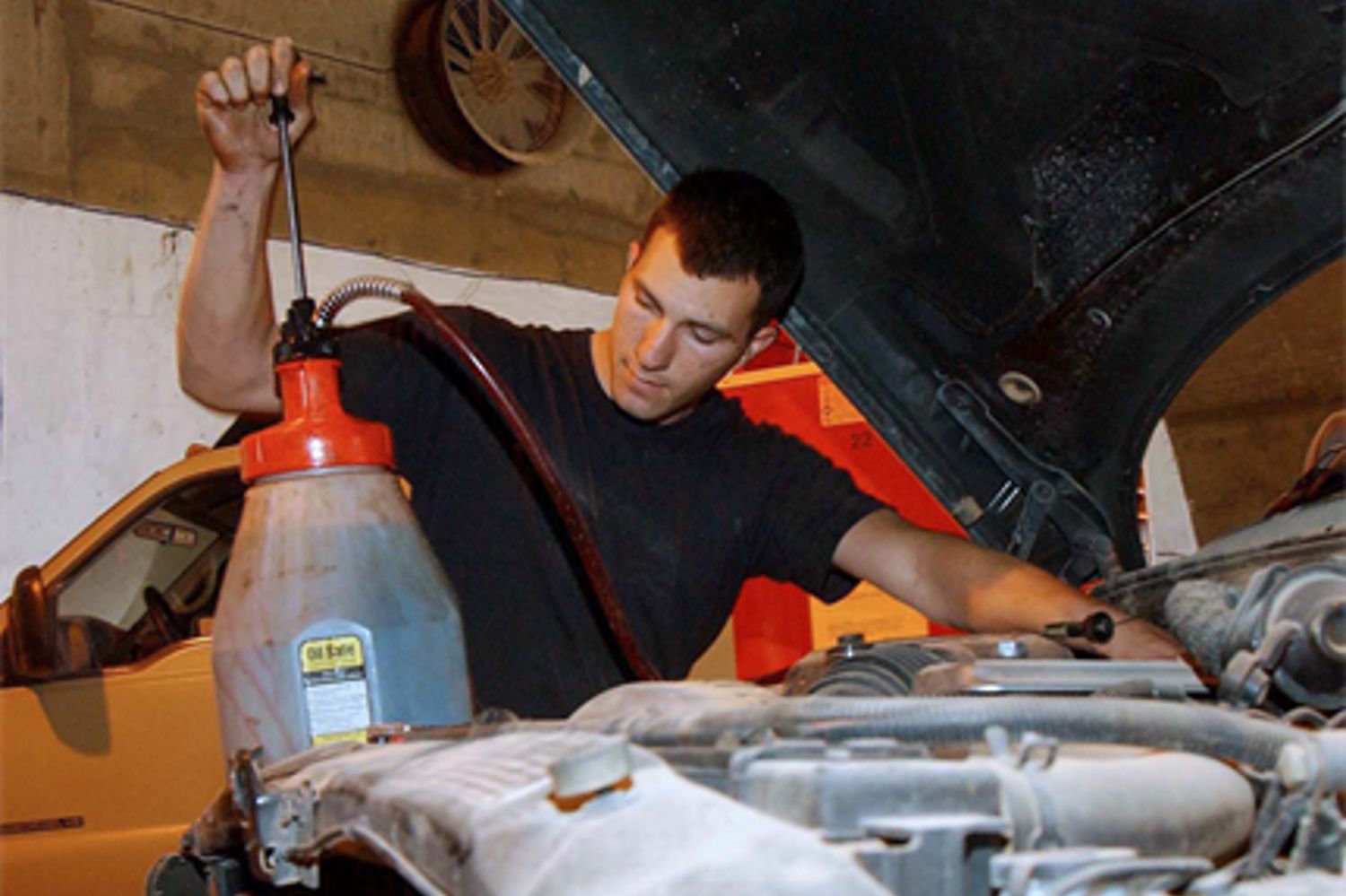
If the fluid level is low, topping it off may solve the issue temporarily. Make sure to use the correct type of fluid for your vehicle. Always check your car’s owner’s manual to find out the recommended transmission fluid.
Perform a Transmission Fluid Flush
If the fluid is dirty or degraded, it might be time to perform a fluid flush. This removes the old fluid and any contaminants, replacing it with fresh fluid. A fluid flush is a job typically done by a professional mechanic.
Get Professional Help
If topping off or replacing the fluid doesn’t resolve the issue, it’s time to seek professional help. A mechanic can check for leaks, damaged parts, or other issues that could be causing the problem.
You can get our transmission repair service in Monfort Heights or other locations of URBS Garage.
do auto insurance cover windshield repair
Frequently Asked Questions:
1. How do I know how much transmission fluid my car needs?
Check your owner’s manual for the specific transmission fluid capacity for your vehicle. You can also use a dipstick or consult a professional mechanic to check your fluid levels.
2. What happens if my transmission fluid is too low?
Low transmission fluid can cause slipping gears, delayed shifts, overheating, and permanent damage to the transmission. It’s essential to top off fluid levels if they’re low.
3. How often should I change my transmission fluid?
Most manufacturers recommend changing your transmission fluid every 30,000 to 60,000 miles. However, it depends on your vehicle and driving conditions, so refer to your owner’s manual for the best maintenance schedule
Conclusion
The amount of transmission fluid your car needs depends on the type of vehicle and transmission system. Automatic transmissions generally require more fluid than manual transmissions, and the specific fluid capacity can vary widely based on the car’s make and model.
It’s essential to regularly check and maintain your transmission fluid to keep your vehicle’s transmission functioning properly.
