Is your car jerking or hesitating while driving? A dirty air filter could be the culprit. This common yet often overlooked issue can cause a range of problems, including jerking.
Keep reading to learn how a clogged air filter affects your engine and what you can do to fix it before the problem gets worse.
Can a dirty air filter cause your car to jerk?
Yes! A clogged air filter can reduce engine performance, leading to jerky movements. Replace it to keep your car running smoothly.
Key Takeaways
- Air Filter Issues: A dirty air filter can restrict airflow to your engine, causing jerking and hesitation while driving.
- Engine Efficiency: When the air filter is clogged, it disrupts the air-to-fuel ratio, affecting combustion and engine performance.
- Simple Fix: Replacing or cleaning the air filter is an easy and affordable way to restore your car’s performance.
How a Dirty Air Filter Affects Your Car’s Acceleration Performance
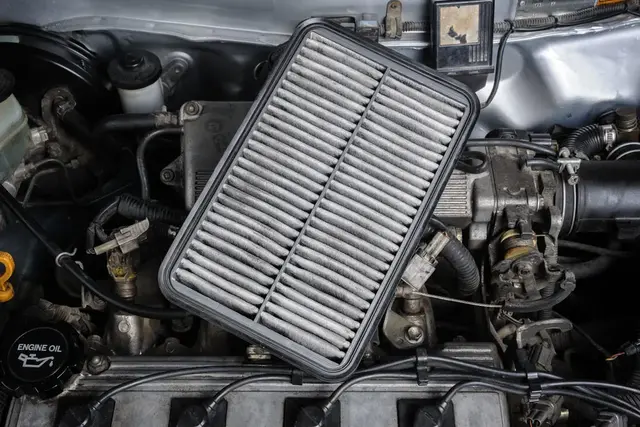
To understand how a dirty air filter can cause your car to jerk, it’s essential to know what the air filter does in the first place.
The air filter is a crucial component of your car’s engine system, and its job is to prevent dirt, dust, and debris from entering the engine. However, it’s important to understand the difference between an air filter vs cabin air filter. While the engine air filter protects the engine, the cabin air filter ensures clean air enters the vehicle’s interior, filtering out pollen, dust, and other airborne particles to enhance passenger comfort and health. Both play essential roles but serve different purposes within your vehicle.
1. The Role of the Air Filter in Engine Efficiency
Your engine needs a consistent flow of clean air to mix with the fuel for proper combustion.
A clean air filter ensures that the right amount of air flows into the engine, enabling it to run efficiently.
When the air filter becomes clogged with dirt and debris, it blocks the airflow, causing the engine to struggle to get the right air-to-fuel ratio.
2. How Jerking Happens
A clogged air filter reduces the engine’s ability to breathe, causing irregular air supply.
This disruption in the combustion process can make your car jerk, especially when you’re trying to accelerate or when the engine needs more power.
The jerking occurs because the engine is trying to compensate for the reduced airflow, often causing stalling or hesitation in response to your accelerator.
Other Symptoms of a Dirty Air Filter
Jerking isn’t the only symptom that a dirty air filter can cause. If you notice any of the following signs, it could be time to check and replace your air filter:
1. Decreased Fuel Efficiency
A dirty air filter can lead to inefficient combustion, which means your engine has to work harder to perform the same tasks.
This extra effort results in higher fuel consumption. If you’ve noticed your car’s fuel efficiency decreasing without any obvious reason, it could be due to a clogged air filter.
2. Engine Misfire or Rough Idling
A dirty filter can cause misfires, where the engine struggles to ignite the fuel-air mixture, resulting in rough idling or stalling.
If your car is idling erratically or stalling frequently, a dirty air filter could be to blame.
3. Reduced Power and Acceleration
A car with a dirty air filter may not accelerate as smoothly or quickly as usual.
If your vehicle feels sluggish when you press the accelerator, it could be because the engine isn’t getting the proper amount of air for efficient combustion.
Why You Shouldn’t Ignore a Dirty Air Filter That Cause Car Jerking
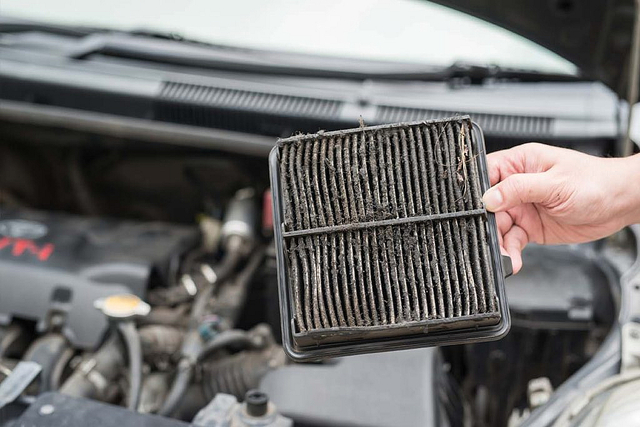
While it might seem like a minor issue, a dirty air filter can cause long-term damage to your vehicle if left unchecked.
The engine performance problems associated with a clogged air filter can lead to more significant issues down the line, including:
1. Damage to Engine Components
If the engine is struggling to run due to a restricted air supply, other components may wear out faster. Over time, the increased strain on the engine could lead to costly repairs.
2. Increased Emissions
A dirty air filter can also cause your car to produce higher levels of exhaust emissions.
Since the combustion process is less efficient, more fuel is burned, and more pollutants are released into the environment.
This not only affects performance but also contributes to environmental damage.
3. Costly Repairs
What might seem like a simple problem – a dirty air filter – can result in more costly repairs if it’s not addressed.
For example, clogged air filters can cause more wear on the engine’s components, leading to expensive repairs down the road. Replacing the air filter is a low-cost solution compared to dealing with a damaged engine.
Jerking issues can often be prevented if you understand how often to change engine air filter and replace it on time.
How to Fix the Jerking Caused by a Dirty Air Filter
Fortunately, fixing this issue is easy, and you don’t have to be a mechanic to do it yourself. Here’s what you can do:
1. Inspect the Air Filter
The first step is to inspect the air filter. Check for any visible signs of dirt, debris, or damage.
Most air filters are located in a housing near the engine, and they’re easy to remove and examine.
2. Clean the Filter (If Reusable)
If your car has a reusable air filter, you can clean it using a special air filter cleaner. Gently remove the dirt and debris without damaging the filter. Let it dry thoroughly before reinstalling it.
3. Replace the Air Filter (If Necessary)
If the filter is too clogged or damaged, it’s time to replace it. You can purchase a new air filter for your vehicle model and replace it yourself or have it done at an auto repair shop.
The process is simple and usually takes less than an hour.
4. Test the Vehicle
Once you’ve replaced or cleaned the air filter, take the car for a test drive to ensure the jerking has stopped and the performance has improved.
The vehicle should feel more responsive, and acceleration should be smoother.
When to Replace Your Air Filter
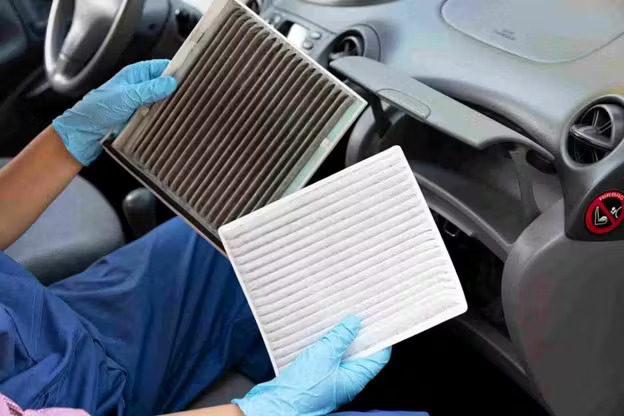
Replacing your air filter is a simple maintenance task that should be done regularly to prevent issues like jerking.
While the exact interval for replacing an air filter depends on your vehicle and driving conditions, a general rule of thumb is to replace it every 12,000 to 15,000 miles.
However, if you drive in dusty or polluted areas, you may need to replace it more often. Check your car’s owner’s manual for specific recommendations on when to replace the air filter.
Frequently Asked Questions
1. Can a dirty air filter cause my car to lose power?
Yes, a clogged air filter restricts airflow to the engine, leading to reduced power and acceleration, which can also cause jerking or hesitation.
2. How often should I replace my air filter?
It’s recommended to replace your air filter every 12,000 to 15,000 miles, but this can vary depending on your driving conditions.
3. Is cleaning the air filter enough to fix the jerking?
If the air filter is reusable and not too damaged, cleaning it can restore performance. However, if it’s heavily clogged or damaged, it’s best to replace it.
Conclusion
A dirty air filter is more than just an inconvenience – it can cause your car to jerk, hesitate, and lose power, affecting your driving experience.
By inspecting and replacing your air filter regularly, you can avoid these issues and keep your car running smoothly.
Regular maintenance, including air filter replacement, is a simple yet effective way to maintain your car’s performance, save on fuel, and prevent costly repairs.
Keep your vehicle running at its best by paying attention to these small but crucial details.
For a deeper explanation, check this guide covering the role of an engine air filter in vehicle performance.
