Brake fluid is a crucial component of your vehicle’s braking system, allowing you to safely stop and control your car. But if you notice brake fluid under your car, you may wonder whether it could leak while the car is off.
Brake fluid leaks can be concerning as they directly impact the functionality of your car’s braking system, posing a potential safety risk.
In this blog, we’ll explore whether brake fluid can leak when the car is off, the common causes of leaks, and how to detect and prevent them from becoming a serious issue.
Does Brake Fluid Leak When Car Is Off?
Yes, brake fluid can leak even when your car is off, especially if there are issues with the brake lines, master cylinder, or seals.
Key Takeaways:
- Yes, brake fluid can leak when the car is off, especially if there’s a crack or failure in the brake system.
- Leaks are often caused by worn or damaged seals, faulty brake lines, or issues with the master cylinder.
- If you notice a brake fluid leak, it’s essential to address it promptly to ensure your brakes remain safe and functional.
Can Brake Fluid Leak When the Car Is Off? A Detailed Overview
Yes, brake fluid can leak even when the car is off, though this usually depends on the specific issue within the braking system. Since leaks are often slow, they may not be immediately noticeable. If you’re experiencing braking problems, you might also wonder, can a brake pad fall off under certain conditions? Understanding potential brake issues can help prevent serious safety risks.
Common Causes of Brake Fluid Leaks
Several factors can contribute to brake fluid leaks when your car is off. Here are some of the most common culprits:
1. Worn or Damaged Brake Lines
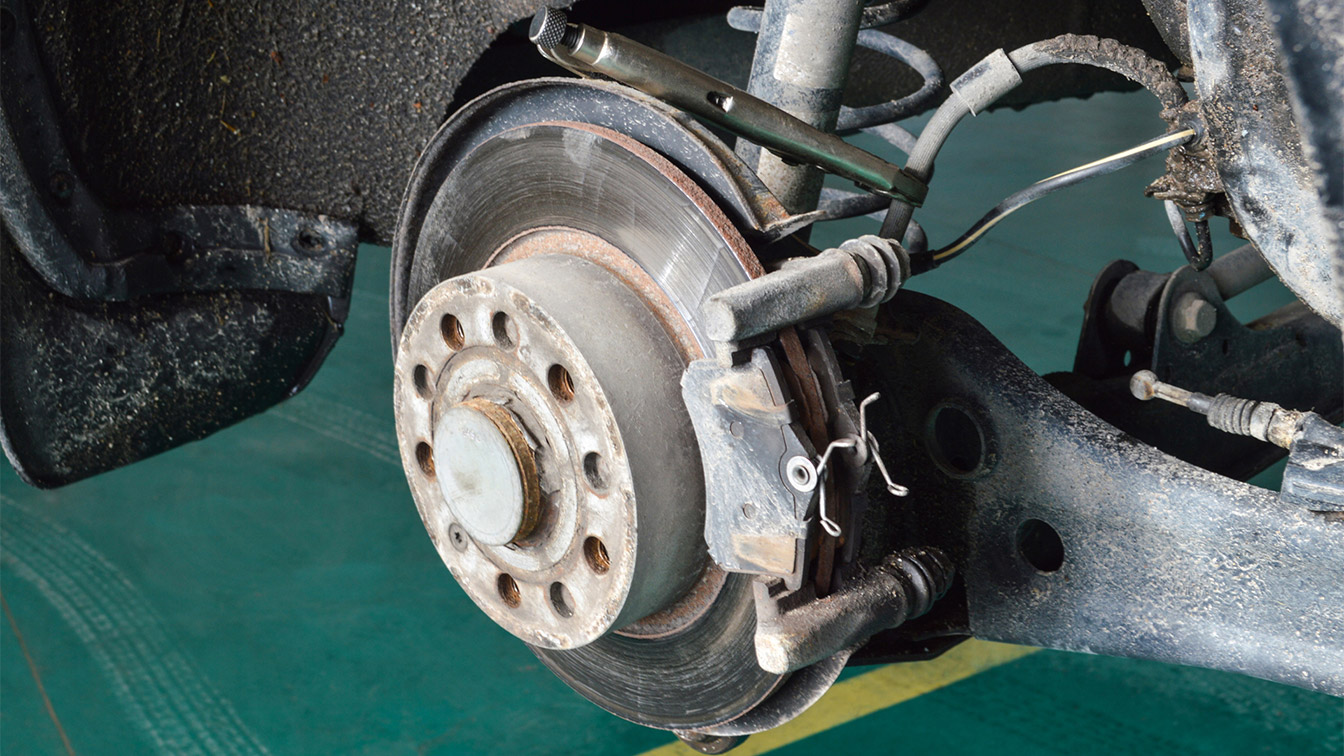
Brake lines are responsible for carrying pressurised brake fluid throughout the braking system. Over time, these lines can corrode or become damaged due to factors like road debris or salt exposure, resulting in small cracks or holes that allow fluid to leak out.
2. Leaking Master Cylinder
The master cylinder is a vital part of the braking system, responsible for distributing brake fluid to the rest of the brake components when you apply pressure to the brake pedal.
If the master cylinder has a defect or has worn seals, it can cause brake fluid to leak even when the car is off. A leak in this area may result in fluid pooling around the footwell or engine compartment.
3. Damaged Brake Fluid Reservoir
Your brake fluid reservoir stores brake fluid and supplies it to the brake system. If this reservoir becomes cracked or damaged, brake fluid can leak out slowly. In some cases, it can leak while the car is off, especially if there’s too much pressure on the system or a faulty seal.
4. Faulty Brake Calipers or Wheel Cylinders
Brake calipers or wheel cylinders apply pressure to the brake pads or shoes, allowing your car to stop safely. Over time, these parts can wear down, and seals may weaken, leading to fluid leaks. If you notice reduced braking performance, scheduling a brake pad replacement in Monfort Heights can help keep your vehicle safe on the road.
If you are just starting to use a car, you must know how many brake pads does a car have to understand the braking system.
5. Worn or Faulty Seals
The seals in various brake components, such as the master cylinder, brake lines, calipers, and wheel cylinders, can deteriorate due to age, excessive heat, or wear and tear. When seals fail, brake fluid can leak out over time, even if the vehicle is off.
How to Detect Brake Fluid Leaks
Detecting brake fluid leaks early is crucial for avoiding serious brake issues. Here are some tips on how to spot a brake fluid leak in your car:
1. Visual Inspection
Look for any signs of brake fluid leakage under your car, especially near the wheels, brake lines, and master cylinder. Brake fluid is typically yellowish or amber when fresh, but it can darken with age.
2. Brake Pedal Issues
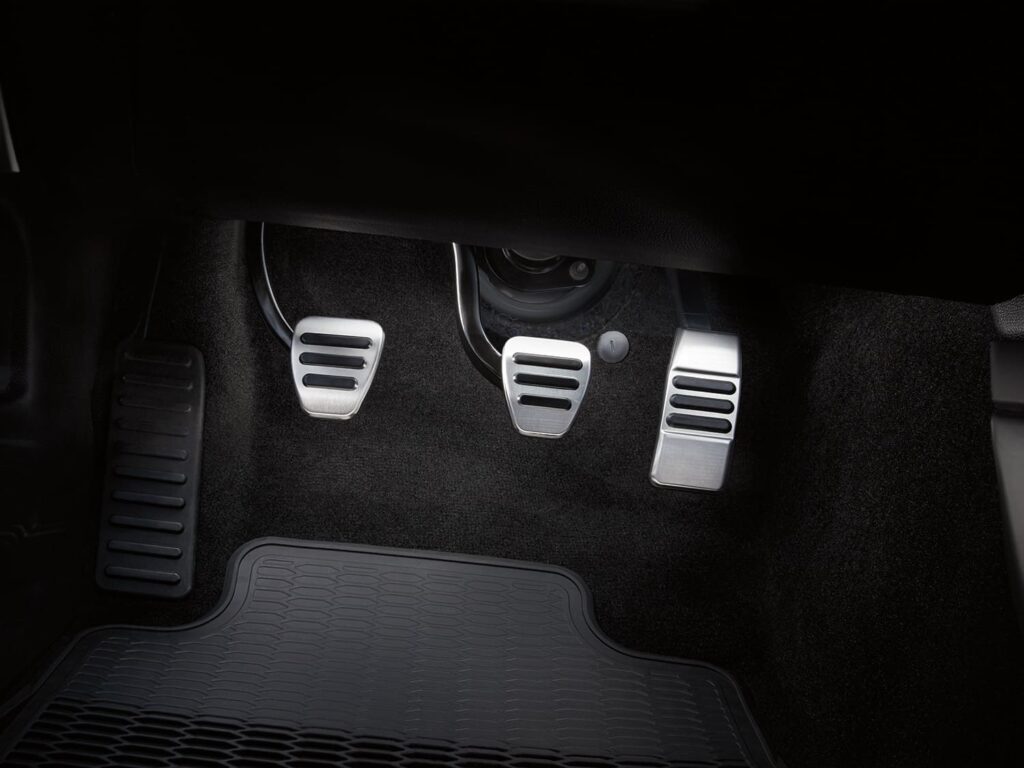
A leaking brake fluid system can lead to a soft or spongy brake pedal. If you notice that the brake pedal feels unusually soft or goes to the floor with little resistance, this could be a sign of low brake fluid due to a leak.
3. Brake Warning Light
Many modern cars have a brake warning light on the dashboard that illuminates if there’s an issue with the brake fluid level. If you see this light come on, it could be due to a fluid leak, and you should check the brake fluid reservoir immediately.
4. Unusual Noises
If you hear strange sounds, such as squealing or grinding, while applying the brakes, this could indicate low brake fluid. When brake fluid levels are low, it can cause the brake pads to make contact with the metal parts of the braking system, creating abnormal sounds.
What to Do if You Have a Brake Fluid Leak
If you suspect that you have a brake fluid leak, it’s important to take action immediately to prevent further damage to your braking system. This is especially true when dealing with hail or impact related auto issues such as cost of paintless dent repair hail damage, which often appear alongside other car concerns.
Check the Brake Fluid Level
Start by checking the brake fluid level in the reservoir. If it’s low, top it up with the recommended brake fluid. Keep in mind that adding fluid will not fix the underlying leak, but it will temporarily restore the braking function until the issue is addressed.
Look for the Source of the Leak

Visually inspect the brake lines, master cylinder, and other components to locate the source of the leak. If you see any signs of damage, corrosion, or worn seals, it’s time for a professional inspection.
Get a Professional Inspection
If you can’t find the source of the leak or the leak persists, take your car to a qualified mechanic. Brake fluid leaks can be dangerous, and a mechanic will have the tools and expertise to diagnose and repair the issue safely.
At URBS Garage, we offer brake repair and certified auto repair in Monfort Heights to help those who may need it. If you are looking for the best ASE certified shops near me in Monfort Heights, URBS Garage should be your go-to option.
Preventing Brake Fluid Leaks
To prevent brake fluid leaks in the future, consider these maintenance tips:
1. Regular Brake System Inspections
Regular brake inspections are key to identifying issues before they become major problems. Have your car’s brake system checked during routine maintenance to ensure that the brake lines, seals, and other components are in good condition.
2. Replace Worn Brake Pads
Worn brake pads can put additional strain on the brake system, leading to damage and potential leaks. Replace brake pads regularly to ensure optimal braking performance and prevent leaks caused by excessive wear.
3. Protect the Brake Lines
Brake lines can corrode or become damaged by road debris. Regularly inspect your brake lines for any signs of wear or damage, and avoid exposing them to harsh conditions.
Frequently Asked Questions:
1. Can brake fluid leak when the car is off?
Yes, brake fluid can leak when the car is off, especially if there is damage to brake lines, the master cylinder, or worn-out seals.
2. What should I do if I notice a brake fluid leak?
If you notice a brake fluid leak, check the brake fluid level, inspect the brake components for visible damage, and take your car to a mechanic if necessary.
3. How can I prevent brake fluid leaks?
Regular brake system inspections, replacing worn brake pads, and maintaining your brake lines can help prevent brake fluid leaks.
Conclusion
Brake fluid can leak when the car is off, and it can pose a significant risk to your vehicle’s braking system. Leaks often occur due to issues with the brake lines, master cylinder, seals, or brake calipers.
Read Similar: How to Repair Hail Damage on a Car?
