Your vehicle’s braking system is vital for safety, and brake pads play a key role in its function. These pads press against the rotor to slow or stop your car, making timely brake pad replacement in Erlanger, KY essential for maintaining optimal performance. But how many brake pads does a car have, and what exactly do they do?
How Many Brake Pads Does a Car Have?
A standard car is equipped with four brake pads—two in the front and two in the rear. These pads play a crucial role in the braking system by generating friction against the rotors to slow or stop the vehicle. However, if you’re wondering why a brake pad fall off, it usually points to installation issues, excessive wear, or component failure.
Key Takeaways:
- Most vehicles have 4 brake pads—2 in the front and 2 in the rear. Some vehicles with advanced braking systems may have additional brake components.
- Brake pads work by creating friction with the brake rotors to stop or slow down the vehicle. Proper maintenance is crucial for safety.
- It’s important to monitor the thickness of your brake pads regularly and replace them if they become too thin to ensure efficient braking performance.
How Many Brake Pads Are in a Car?
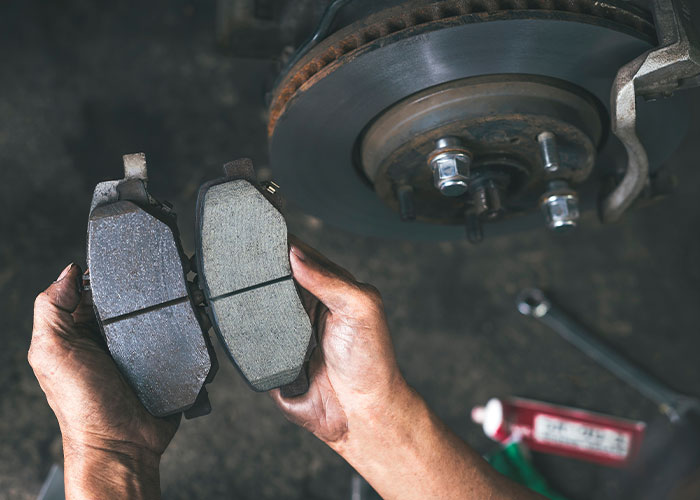
The number of brake pads in a car typically depends on the type of braking system your vehicle uses. Most cars, including those with disc brakes, have four brake pads—two for the front and two for the rear.
However, in certain circumstances, such as vehicles with advanced or high-performance braking systems, you may encounter additional components.
Standard Braking System
In a typical car with disc brakes, there are two sets of brake pads:
Front Brake Pads: The front brake pads bear a significant portion of the braking force because most of the car’s weight is distributed to the front during braking. These pads usually wear out faster than rear ones.
Rear Brake Pads: The rear brake pads also help in stopping the car, but they generally wear out more slowly because the front brakes do most of the work.
Additional Brake Pads in Specific Vehicles
In some vehicles, especially those with more advanced or all-wheel drive systems, there may be additional brake pads for other wheels.
Some vehicles, like trucks or performance cars, may even have brake pads in addition to regular ones, such as on each wheel, depending on the brake configuration.
What Do Brake Pads Do?
Brake pads are a vital component of the braking system. When you apply pressure to the brake pedal, the brake pads press against the brake rotors (also called discs), creating friction. This friction slows down the wheel’s rotation, ultimately stopping the car.
In modern vehicles, brake pads are crafted from a mix of metal, ceramics, and friction materials, ensuring durability and reliable stopping power. Alongside them, components like brake pad clips play a crucial role. But what are brake pad clips for? They help secure the pads in place, reducing noise and ensuring even wear for optimal braking performance.
Brake pads help maintain smooth, consistent braking, ensuring you have control over your vehicle when you need it most.
Types of Brake Pads
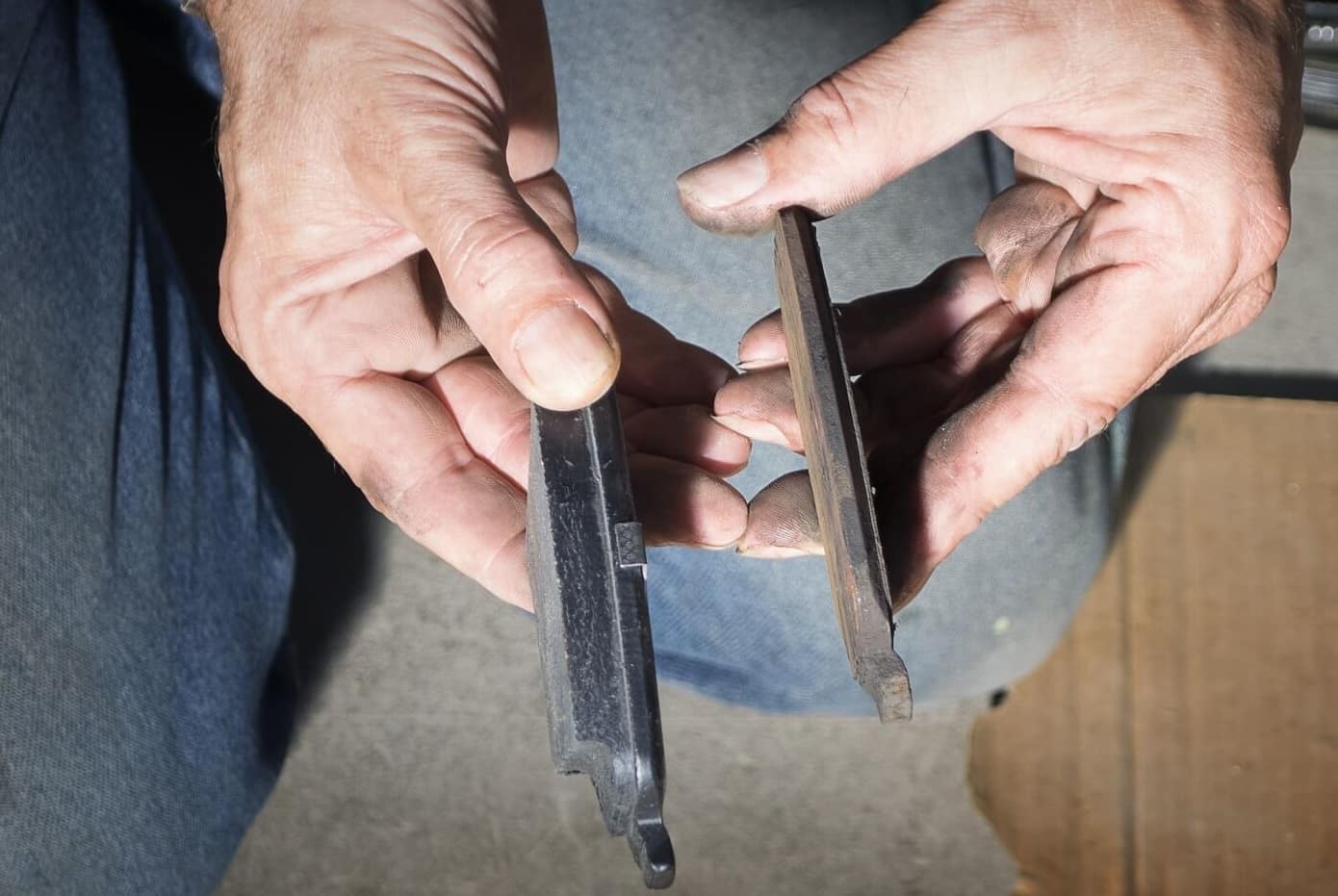
There are different types of brake pads based on the materials used in their construction. These materials affect the performance and longevity of the pads, and consequently, the braking efficiency of the car. The most common types are:
Organic Brake Pads
Organic brake pads are made from materials such as rubber, carbon compounds, and resins. They are softer and tend to wear out more quickly than other types. These pads offer a quieter braking experience but can generate more dust.
Semi-Metallic Brake Pads
Semi-metallic pads contain a mixture of metal fibers, such as steel, and other materials. These provide better performance in terms of heat dissipation and durability but can be noisier than organic pads.
Ceramic Brake Pads
Ceramic brake pads are made from ceramic materials and copper fibers. These are known for their durability, less brake dust production, and quieter braking performance.
They are generally more expensive than other types of brake pads but provide a good balance of performance and longevity.
Carbon-Composite Brake Pads
These are high-performance pads made with a blend of carbon, ceramic, and other materials. They are designed to offer superior stopping power in high-performance or heavy-duty vehicles.
You can take a look here how long do brake pads last on a car and what affects its longevity with more details.
When Should You Replace Your Brake Pads?
Brake pads wear down over time and will eventually need to be replaced for safe driving. If you’re wondering how much is brake pad replacement, here’s how to determine when it’s time for new ones:
Squeaking or Squealing Noises
One of the first signs that your brake pads are wearing thin is a high-pitched squeaking sound when you apply the brakes. This noise comes from a small metal indicator on the brake pad that makes contact with the rotor when the pad has worn down to a certain level.
Braking Performance
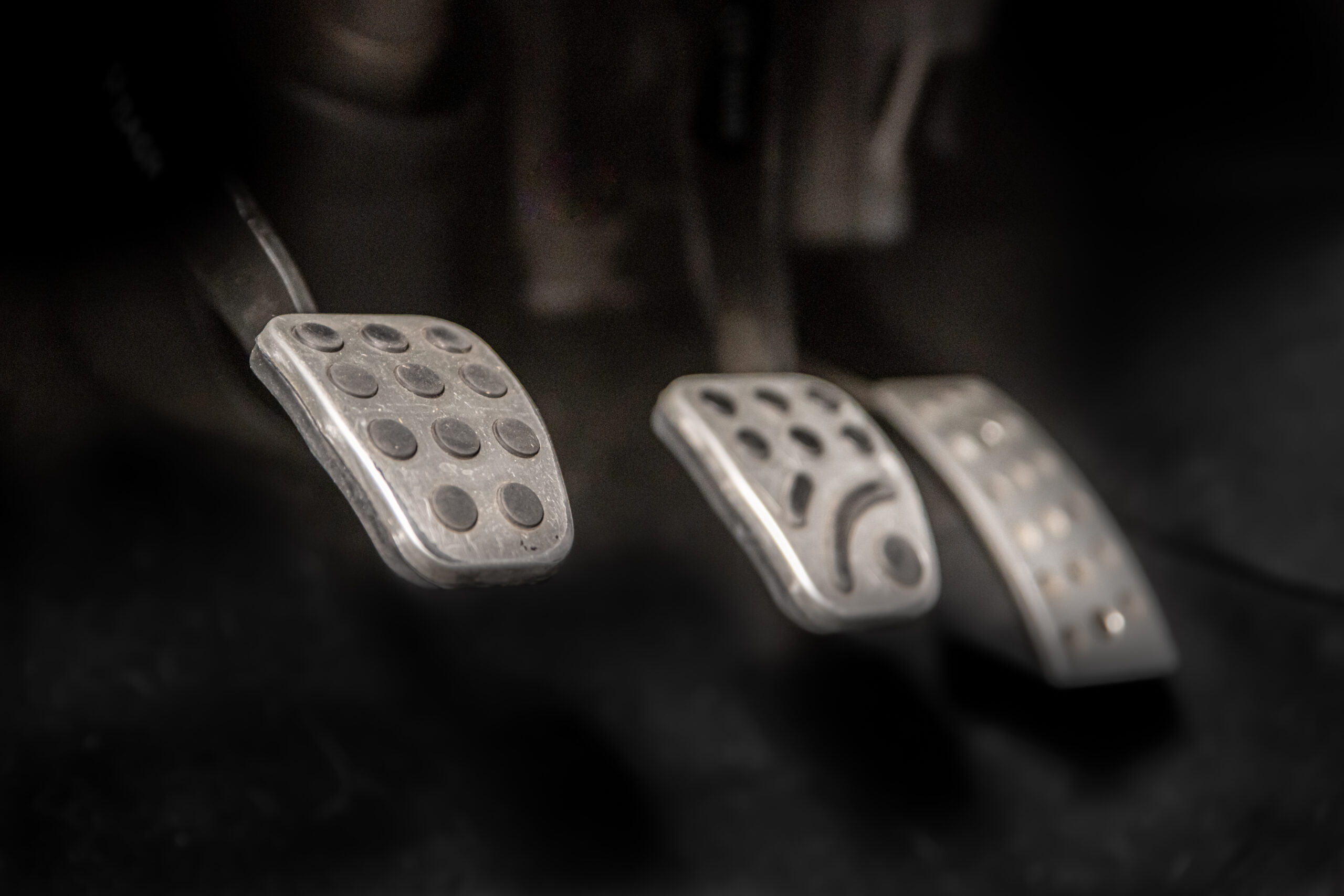
If your car is taking longer to stop, or the braking feels less responsive, it might be a sign that the brake pads are no longer effective. Worn-out pads cannot create enough friction, reducing the braking power and increasing stopping distances.
Vibration When Braking
If you feel a vibration or pulsation in the brake pedal when braking, it could mean that the brake pads have worn unevenly, causing them to press unevenly against the rotors. This is often accompanied by grooves or scoring on the brake rotors.
How to Check Your Brake Pads
You can visually check the thickness of your brake pads to determine if they need replacing. Most vehicles allow you to see the brake pads through the wheel spokes. Look through the gaps and check the pad’s thickness.
If the pad looks thin or there’s less than a quarter inch of material left, it’s time for a replacement.
If you’re not comfortable checking the pads yourself, it’s always a good idea to visit a mechanic for an inspection. They can also check for other issues, such as warped rotors or leaks, that could impact your vehicle’s braking performance.
Replacing Brake Pads
Replacing brake pads is a relatively straightforward job for a professional mechanic, though it’s not typically a DIY project for beginners. The process can vary in complexity depending on the vehicle, and factors like the parts used can influence the overall repair, similar to how the average cost of paintless dent repair depends on vehicle type and damage severity.
Here’s a brief overview of the process:
- Lifting the Vehicle: The car needs to be lifted using a jack and secured with jack stands.
- Removing the Wheels: The wheels are removed to access the brake system.
- Removing the Old Brake Pads: The old brake pads are taken out of the caliper bracket.
- Inspecting Other Brake Components: Mechanics typically inspect the brake rotors, fluid levels, and other parts of the braking system while replacing the pads.
- Installing the New Brake Pads: The new pads are installed and the system is reassembled.
- Test the Brakes: A test drive is usually done to ensure that the brakes are working properly after the replacement.
URBS Garage offers brake repair in Monfort Heights and many other locations including Finneytown. You can book our services to fix any problem with your vehicle with us.
Frequently Asked Questions:
1. How many brake pads does my car have?
Your car typically has four brake pads—two in the front and two in the rear.
2. How do I know when to replace my brake pads?
Look for signs like squeaking, reduced braking performance, vibrations, or grinding noises. It’s important to replace the pads before they wear down too much.
3. Can I replace my brake pads myself?
While it’s possible to replace brake pads yourself, it’s recommended to have a professional mechanic do the job to ensure safety and proper installation.
Conclusion
Your car typically has four brake pads – two in the front and two in the rear. They work together to ensure that your vehicle stops safely and efficiently.
Regular maintenance and early detection of worn-out pads can help prevent costly repairs and keep your vehicle’s braking system in optimal condition.
