
Hearing a squealing sound from your car’s AC? It’s easy to brush off, but that noise could be a sign of something more serious.
Whether it’s the serpentine belt, the compressor, or the fan, it’s important to get it checked before the issue worsens. Let’s dive into what might be causing it! A quick read like an EV maintenance guide can also help drivers understand how regular upkeep prevents issues.
Why Is My AC Squealing in My Car?
If your AC is squealing, it could be due to a worn-out belt, a failing compressor, or low refrigerant. Getting it checked early can prevent bigger issues and keep your AC running properly.
Key Takeaways:
- AC squealing can be caused by worn serpentine belts, faulty bearings, or low refrigerant.
- Regularly check belt tension and refrigerant levels to prevent AC squealing.
- If squealing continues, get your AC inspected to avoid damage and costly repairs.
The Possible Causes of AC Squealing in Your Car
Squealing noises from your car’s AC system can be frustrating, but identifying the root cause is the first step in fixing the problem.
Below are some common reasons why your AC might be squealing.
1. Worn-Out Serpentine Belt
One of the most common causes of a squealing sound in the AC system is a worn-out serpentine belt.
This belt is responsible for driving several components of the engine, including the AC compressor.
Over time, the belt can become worn, cracked, or loose, which may cause it to slip or produce a squealing noise.
What to Do:
Inspect the serpentine belt for signs of wear and tear. Replace the belt if it’s cracked, frayed, or excessively worn.
2. Faulty AC Compressor
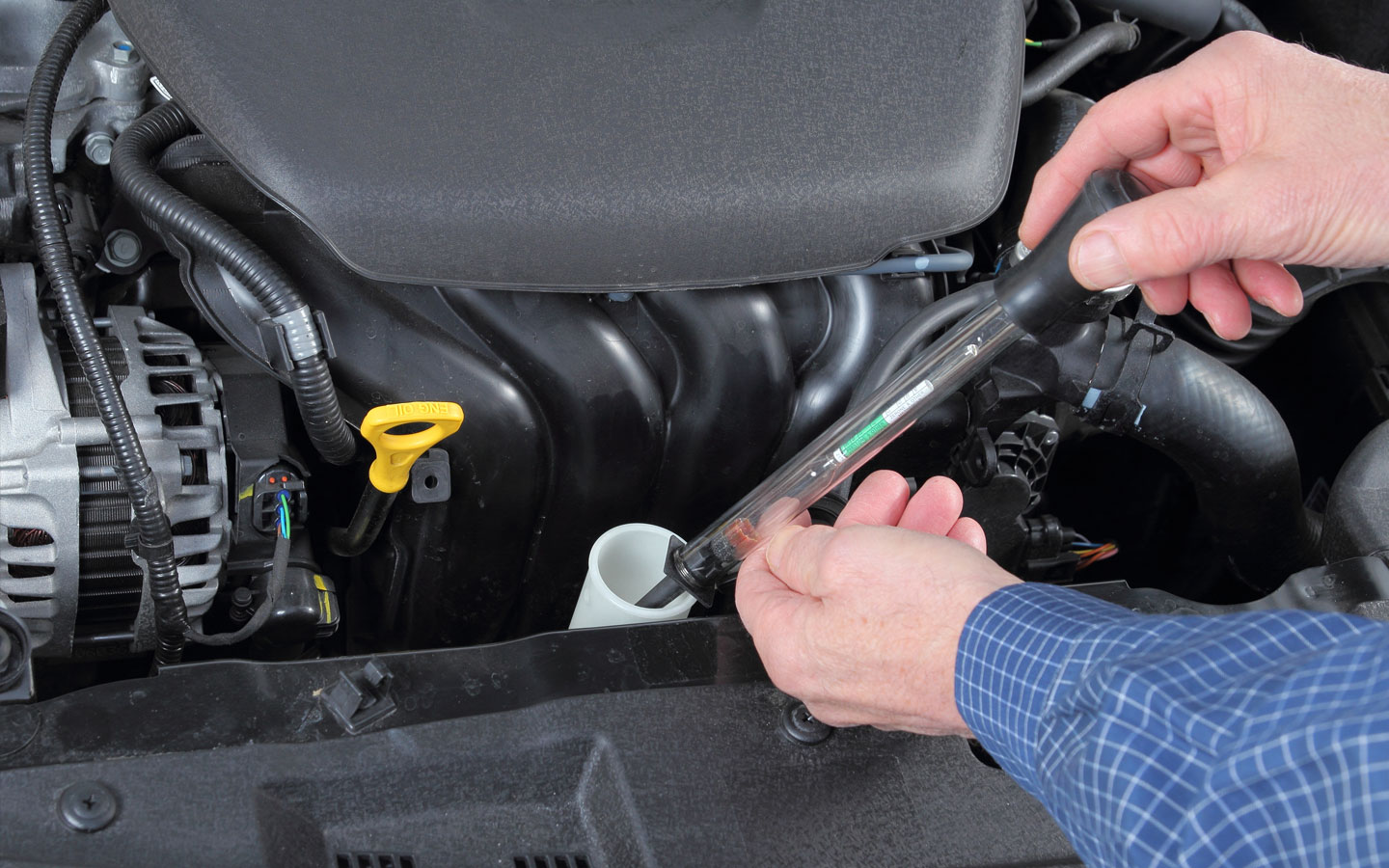
The AC compressor is the heart of your vehicle’s air conditioning system.
If the compressor is malfunctioning or has faulty bearings, it can cause squealing or grinding noises when the AC is turned on.
A damaged compressor can also lead to inefficient cooling and even cause further damage to the AC system.
What to Do:
Get the AC compressor checked by a professional mechanic. If the compressor is faulty, it may need to be repaired or replaced.
At URBS Garage, we have a lot of professionals who offer the service of auto ac repair in Finneytown. Not only that, but we also have experts who deal with many other certified auto repairs in Finneytown.
I have recently discussed how to make your car AC colder. If you are interested in the topic, you must check out the post.
3. Low Refrigerant Levels

Low refrigerant levels can cause the AC system to work harder, leading to stress on the compressor and other components.
This added strain can sometimes result in squealing or other strange noises as the system struggles to maintain cooling performance.
Low refrigerant can also indicate a leak somewhere in the system.
What to Do:
Check the refrigerant levels and top them off if necessary. Have a professional inspect the AC system for any leaks.
4. Faulty Bearings in the AC Blower Motor
The blower motor is responsible for circulating air through the cabin, and it plays a key role in your vehicle’s cooling system.
If the bearings in the blower motor become worn out or damaged, it can produce a squealing sound when the AC is on. This noise is often most noticeable when the fan speed is higher.
What to Do:
Have the blower motor checked by a mechanic. If the bearings are damaged, the blower motor may need to be replaced.
5. Dirty or Clogged Condenser or Evaporator Coils

A dirty condenser or evaporator coil can strain the AC system, causing it to work harder than necessary.
This can lead to a variety of problems, including unusual noises like squealing. If the system is struggling to cool the air efficiently, it can lead to overheating and excessive wear on the compressor.
What to Do:
Have the condenser and evaporator coils cleaned regularly. Schedule regular maintenance to keep the AC system running smoothly.
How to Detect and Address AC Squealing in Your Car
If your car’s AC is squealing, it’s important to address the issue promptly to avoid further damage. Here’s what you can do to identify the source of the noise and take appropriate action.
1. Inspect the Serpentine Belt
Start by checking the serpentine belt. Look for any signs of damage such as cracks, frays, or excessive wear. If the belt looks worn, it may need to be replaced.
A loose belt can also cause squealing, so ensure that it’s properly tensioned.
2. Check the AC Compressor
If the serpentine belt seems fine, the next step is to check the AC compressor.
A squealing noise coming from the compressor might indicate that its bearings are worn out or that there’s an internal issue. If the compressor is faulty, it may need to be replaced.
3. Test the Refrigerant Levels
Low refrigerant levels can put extra strain on the AC system, causing squealing noises. Have a professional check the refrigerant levels and top them off if necessary.
If you frequently find that your refrigerant is low, there may be a leak in the system that needs to be addressed.
4. Examine the Blower Motor
If the squealing noise seems to come from the vents or the blower motor area, it could be a sign of worn-out bearings.
You can test this by turning the fan speed up and down to see if the noise changes. If the blower motor is the culprit, it may need to be replaced.
5. Clean the AC System

If your system is clogged or dirty, it could cause the compressor and other components to strain and squeal.
Have the condenser and evaporator coils cleaned by a professional to ensure they are free of dirt and debris.
What Happens if You Don’t Address AC Squealing in Your Car?
Ignoring a squealing noise from your car’s AC system could lead to more serious problems. Here’s what could happen if the issue goes unaddressed:
Worsening of the Problem: If the problem is related to the serpentine belt or compressor, ignoring it could lead to further damage.
A worn-out belt could snap, and a faulty compressor could break down completely, leaving you without AC.
Higher Repair Costs: Small issues with the AC system can often be fixed quickly and affordably.
However, if you wait too long, the problem may escalate, leading to expensive repairs or replacements.
Discomfort and Health Issues: An AC system that isn’t working properly can lead to discomfort while driving, especially in hot weather.
Additionally, a malfunctioning AC could contribute to poor air quality in the cabin, which may affect your health.
How to Prevent AC Squealing in Your Car
Preventing AC squealing involves regular maintenance and addressing any issues early on. Here are some tips to keep your AC system in top condition:
Regular Belt Inspections: Check the serpentine belt regularly for signs of wear and replace it as needed.
Maintain Refrigerant Levels: Ensure that your refrigerant levels are kept at the proper levels to avoid overworking the AC system.
Schedule Regular Maintenance: Regularly check your AC system and get it cleaned to prevent dirt buildup on the coils.
Get Professional Inspections: Have your AC system inspected by a mechanic every year to identify potential issues before they become serious problems.
If you’re looking for quality replacement parts like serpentine belts, compressors, or blower motors, it’s important to choose reliable, well-reviewed products for optimal performance. While maintaining your vehicle, you might also wonder, what does a timing belt do and how it affects engine function. Understanding these components can help you make informed maintenance decisions.
Frequently Asked Questions
1. Why is my AC squealing in my car?
The most common causes of AC squealing include a worn serpentine belt, a malfunctioning AC compressor, low refrigerant levels, faulty blower motor bearings, or dirty condenser or evaporator coils.
2. Can I fix the squealing AC myself?
You can perform some basic inspections, such as checking the serpentine belt or replacing the cabin air filter. However, more complex issues, like a faulty compressor or blower motor, will require professional repair.
3. How can I prevent my car’s AC from squealing?
Regular maintenance is key. Inspect the serpentine belt, maintain proper refrigerant levels, clean the condenser and evaporator coils, and have your AC system professionally inspected annually.
Conclusion
If your car’s AC is squealing, it’s important not to ignore the issue. A variety of factors can contribute to the noise, from a worn-out serpentine belt to a faulty compressor.
By addressing the problem early, you can prevent further damage to your car’s AC system and avoid costly repairs.
Regular maintenance is key to ensuring that your AC system runs smoothly and quietly.
If the squealing persists, be sure to consult with a professional mechanic to diagnose the problem and get your AC back in working condition.
