Driving a manual car offers a level of control and engagement that many drivers appreciate, but it also requires mastering techniques like braking.
Properly braking in a manual car isn’t just about stopping—it’s about maintaining control, protecting your vehicle’s components, and ensuring a smooth driving experience. In this guide, we’ll explore how to brake effectively, the importance of downshifting, and how to handle various road scenarios with confidence. For those looking to enhance their vehicle’s response and handling, exploring performance tuning burlington services can complement these techniques and elevate overall driving performance. For more advanced vehicle optimization, consider Performance tuning repair monfort heights to refine your car’s responsiveness and handling.
How to Brake in a Manual Car?
To brake in a manual car, press the brake pedal while disengaging the clutch to prevent stalling. Shift to lower gears if slowing down or to neutral for a complete stop.
Key Takeaways
- Mastering Technique: Effective braking in a manual car involves balancing the brake pedal, clutch, and gear shifts.
- Scenario-Based Braking: Different situations require different approaches, from routine stops to emergencies.
- Vehicle Longevity: Proper braking techniques protect components like the clutch and transmission.
Understanding the Basics of Manual Car Braking
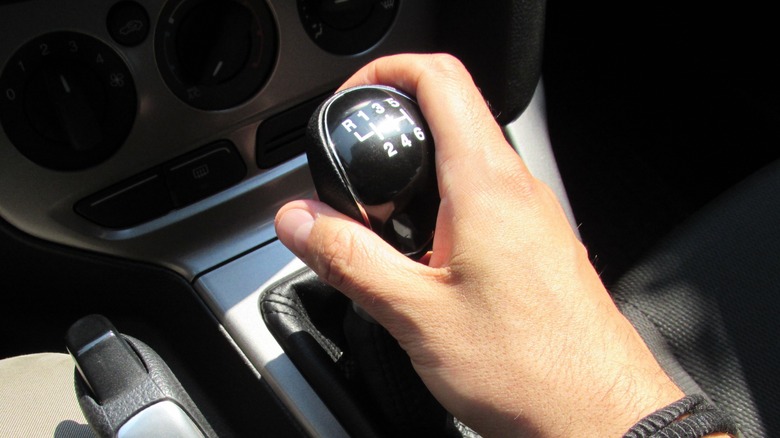
Braking in a manual car is a coordinated process that goes beyond simply pressing the brake pedal. It requires balancing the use of the clutch, brake pedal, and gears to bring the car to a smooth stop without stalling.
Unlike automatic cars, manual transmissions give drivers direct control over how the vehicle responds, making proper braking techniques crucial.
The primary difference between braking in a manual car and an automatic car lies in the engagement of the clutch.
In a manual car, pressing the clutch disengages the engine from the transmission, allowing the vehicle to come to a complete stop without the engine stalling. This step is particularly important when slowing down significantly or stopping completely.
Proper braking ensures a smooth transition between gears, maintains vehicle control and prevents undue stress on the braking system.
It also plays a critical role in fuel efficiency and overall vehicle performance. Understanding the basics allows you to handle routine stops, emergency braking, and deceleration on different road conditions with ease.
Learning the basics of manual car braking takes practice and awareness. Mastering this skill ensures smoother rides, reduces wear on vehicle components, and enhances driver confidence on the road.
Step-by-Step Guide: How to Brake in a Manual Car
Braking in a manual car requires a series of coordinated actions to ensure a smooth and controlled stop. Follow these steps for effective braking:
Routine Braking
Gradually press the brake pedal to slow down the car. As your speed decreases, press the clutch to disengage the engine and prevent stalling. Shift to a lower gear if continuing to drive or move to neutral for a complete stop.
Braking While Downshifting

Downshifting while braking helps maintain control and reduces stress on the braking system. Apply the brakes to slow down, press the clutch, and shift to a lower gear. Release the clutch smoothly to engage the engine in the new gear.
Emergency Braking
In emergencies, press the brake pedal firmly while pressing the clutch simultaneously. Avoid abrupt gear changes; focus on stopping safely without locking the wheels.
Each step ensures effective braking and minimizes wear on components. Practicing these techniques will help you adapt to various driving conditions.
Common Mistakes to Avoid While Braking in a Manual Car
- Riding the Clutch: Keeping the clutch partially pressed while braking can cause unnecessary wear.
- Not Using the Clutch Appropriately: Failing to press the clutch when braking can lead to engine stalling.
- Abrupt Braking: Sudden, harsh braking can cause jerks and increase wear on brakes and tires.
In addition to proper braking techniques, maintaining engine performance is crucial. Using a high-quality Injector cleaner Finneytown service can help keep your fuel injectors clean, improve combustion, and ensure smoother operation, especially in manual vehicles or scheduling an adas calibration service can help keep your vehicle operating smoothly and safely.
Braking in a manual car requires precision and awareness. Avoiding common mistakes is key to protecting your vehicle and ensuring a smooth driving experience.
One common mistake is riding the clutch, which occurs when drivers partially press the clutch while braking. This habit increases wear on the clutch and reduces its lifespan. Always fully disengage or release the clutch when braking.
Another error is failing to press the clutch when slowing down significantly. This can cause the engine to stall, particularly when coming to a complete stop. Ensure you press the clutch as your speed decreases to prevent stalling.
Abrupt or harsh braking is another issue that can cause discomfort for passengers and strain on brake pads, tires, and other components. Gradual, smooth braking is essential for minimizing wear and maintaining control.
Lastly, ignoring proper gear selection while braking, such as skipping gears or remaining in higher gears for too long, can lead to reduced engine control. Downshifting appropriately while braking helps balance the vehicle and improves safety.
By avoiding these mistakes, you can ensure your car’s longevity and enjoy a safer driving experience.
Scenario-Based Braking Techniques
Braking on Slopes
When driving downhill, use a combination of brakes and engine braking to control your speed. Avoid riding the brakes for too long, as this can cause overheating.
Braking in Traffic
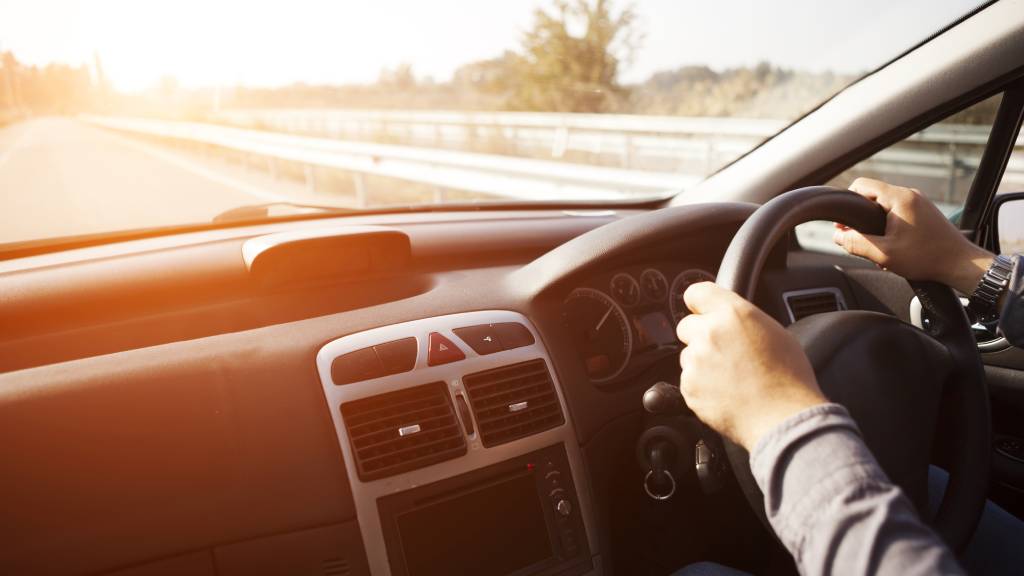
In stop-and-go traffic, maintain a balance between the brake pedal and clutch to prevent stalling. Shift to neutral during prolonged stops to reduce strain on the clutch.
Braking in Wet or Slippery Conditions
Reduce speed gradually and avoid sudden braking. Downshifting can provide additional control, preventing skidding.
Braking in a manual car varies depending on road and traffic conditions. Adapting your technique to the scenario ensures safety and optimal vehicle control.
On slopes or steep roads, use engine braking in combination with the brake pedal to control speed. Downshift to a lower gear to let the engine assist in slowing down, reducing reliance on the brakes and preventing overheating.
In stop-and-go traffic, maintain a balance between the clutch and brake to prevent stalling. Use the clutch to disengage the engine when coming to a stop and shift to neutral during prolonged halts to reduce strain on the clutch.
During wet or slippery conditions, avoid sudden braking, which can cause skidding. Instead, brake gradually while downshifting to maintain control and prevent wheel lock-up.
For emergency braking, press the brake pedal firmly while disengaging the clutch. This prevents stalling and allows the brakes to work effectively to stop the car quickly.
By mastering scenario-based braking techniques, you can handle diverse driving conditions with confidence and precision.
How Braking Affects Your Car’s Components
Proper braking techniques not only enhance safety but also prolong the life of your car’s components.
Proper braking techniques not only ensure safety but also protect vital car components, extending their lifespan and maintaining vehicle performance.
Frequent harsh braking can cause excessive wear on brake pads and rotors, reducing their effectiveness and leading to higher replacement costs. Gradual braking minimizes heat buildup and extends the lifespan of these components.
Improper clutch use while braking, such as riding the clutch, increases wear on the clutch plate and decreases its efficiency over time. Always disengage the clutch fully when braking to prevent unnecessary wear.
Braking without downshifting can place undue stress on the transmission, particularly the gears and synchronizers. Downshifting appropriately while braking distributes the workload between the engine and brakes, ensuring smoother performance.
Finally, tires also experience wear during braking. Hard braking can cause uneven tire wear and reduce traction, especially in wet or slippery conditions. Smooth, controlled braking helps maintain tire health and improves overall safety.
Understanding how braking affects your car’s components encourages mindful driving habits, ensuring better performance and reduced repair costs.
Why Professional Guidance Matters

Learning to brake effectively in a manual car requires a mix of practice and knowledge. While many drivers can grasp the basics, professional guidance is invaluable in developing the finer techniques that ensure safety, comfort, and vehicle longevity. Drivers who rely on brakes to you mobile brake repair services can also benefit from expert inspections that identify braking issues early and ensure proper system performance.
Experts can provide tailored advice based on your driving habits and specific vehicle needs, helping you avoid bad habits like riding the clutch or abrupt braking.
Professional instructors or mechanics can teach scenario-based techniques, such as braking on steep inclines or during emergencies, ensuring you’re prepared for any situation. They can also identify areas where your technique might be lacking, offering tips to improve precision and control.
Furthermore, professionals understand how braking impacts your car’s components. Their guidance can help you adopt habits that reduce wear on the clutch, brakes, and transmission, saving you money on repairs in the long run. For drivers comparing cheap brake repair shops, professional evaluations ensure quality work without compromising safety.
If you’re experiencing unusual braking performance or wear, a professional inspection can diagnose the issue and prevent more extensive damage.
Investing in professional guidance not only makes you a more confident driver but also ensures your manual car remains in peak condition. Whether you’re learning the ropes or fine-tuning your skills, expert advice is a smart move for safer and more efficient driving.
Maintaining Your Manual Car for Better Braking
Regular Brake Inspections
Schedule routine checks to ensure brake pads, rotors, and fluid levels are in good condition.
Clutch and Transmission Maintenance
Inspect the clutch for wear and ensure smooth gear shifts by keeping the transmission in top condition.
Tire Health
Properly inflated and aligned tires improve grip, enhancing braking efficiency.
Explore professional maintenance services at URBS Garage to keep your car in peak condition.
Products That Can Help Improve Braking in Manual Cars
- Brake Pads: High-quality pads reduce stopping distances and improve safety.
- Transmission Fluids: Smooth gear shifts and prolongs the life of the gearbox.
- Performance Tires: Better grip and handling for all road conditions.
If you are new to manual cars, read this post “Does Brake Fluid Leak When Car Is Off” to have a better understand of it.
The Benefits of Proper Braking Techniques
Improved Safety
Effective braking ensures you have control over your vehicle in any situation, reducing the risk of accidents.
Enhanced Comfort
Smooth braking creates a comfortable ride for both the driver and passengers.
Cost Savings
Proper braking minimizes wear on your car’s components, reducing repair and replacement costs.
Frequently Asked Questions
1. How do I avoid stalling while braking in a manual car?
Press the clutch fully when braking to disengage the engine and prevent stalling.
2. Should I downshift while braking?
Downshifting while braking can improve control and reduce brake wear, especially on slopes or during deceleration.
3. What should I do if my car jerks when braking?
Jerking may indicate poor coordination between the clutch and brake. Practice smooth pedal transitions, or consult a mechanic for inspection.
Sometimes, you may wonder why is my brake pedal locked and car won’t start. Regularly braking may help you solve this problem.
Conclusion
Learning how to brake in a manual car is a skill that every driver should master. It involves more than just pressing the brake pedal; it’s about coordinating with the clutch and gears to ensure smooth and controlled stops.
By avoiding common mistakes, practicing scenario-based techniques, and maintaining your vehicle regularly, you can improve safety, enhance performance, and extend the lifespan of your car’s components.
If you want any help with your brake, we provide brake repair services in Erlanger, KY. Schedule your appointment today.
