Brake rotors are essential components of your vehicle’s braking system, playing a crucial role in ensuring your car stops safely and effectively.
Understanding how many brake rotors your car has, their function, and when to replace them is vital for maintaining optimal performance and safety. This blog explores everything you need to know about brake rotors, including how they work, their lifespan, and maintenance tips.
How Many Brake Rotors Does a Car Have?
Most cars have four brake rotors, one for each wheel, ensuring balanced and efficient braking. Understanding their role, lifespan, and maintenance needs is crucial for vehicle safety.
Key Takeaways
- Rotor Count: Most cars have four brake rotors, one for each wheel.
- Types of Braking Systems: Front-wheel drive cars rely more on front rotors, while all-wheel drive and high-performance vehicles often have robust systems for all four wheels.
- Maintenance Matters: Regular checks and replacements ensure safety and extend rotor lifespan.
What Are Brake Rotors and Their Purpose?
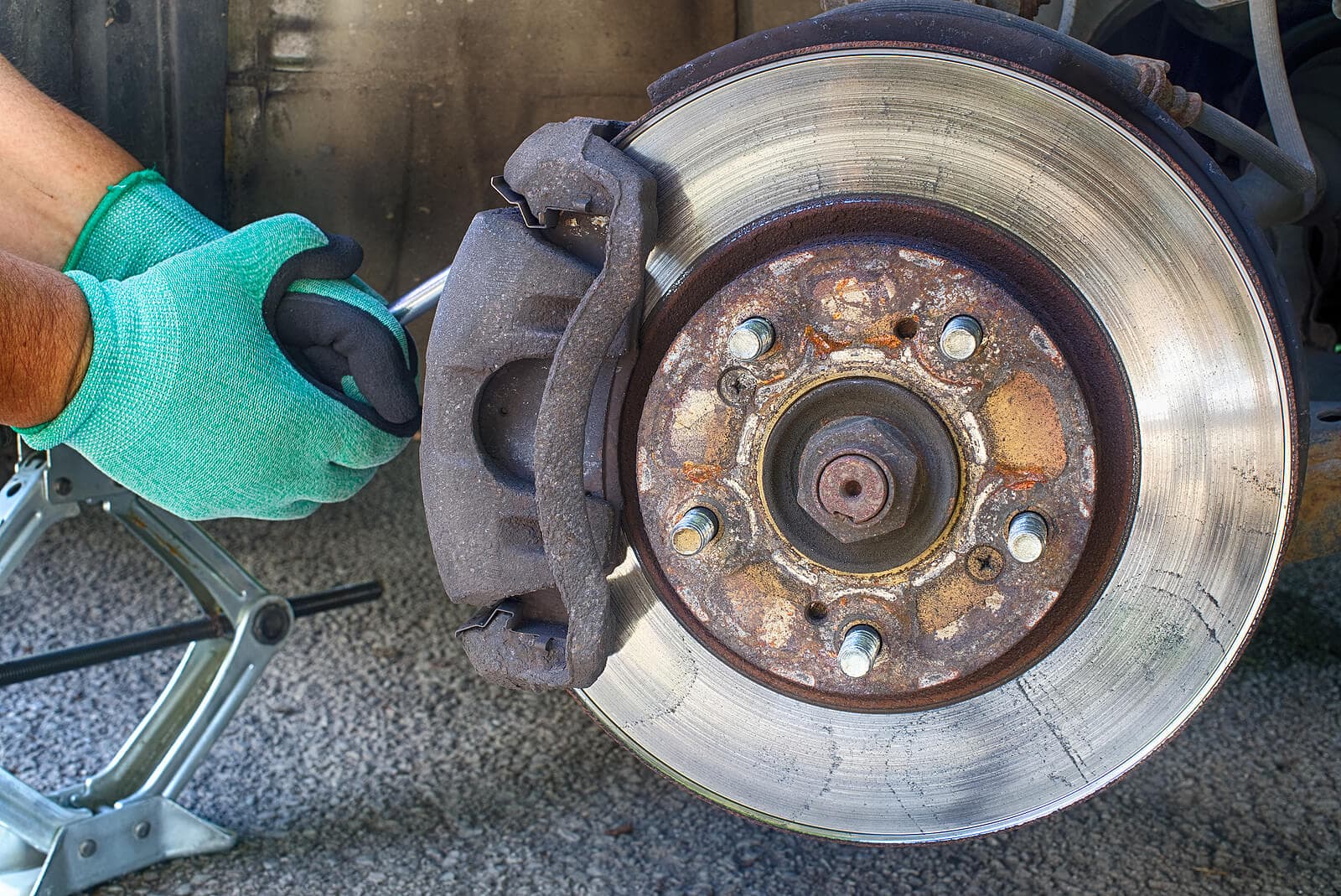
Brake rotors are metal discs attached to your vehicle’s wheels. When you press the brake pedal, the brake pads clamp down on the rotors, creating friction to slow or stop the car.
Rotors play a critical role in dissipating heat generated during braking, ensuring consistent performance and preventing system failure.
How Many Brake Rotors Does a Typical Car Have?
Most standard passenger cars have four brake rotors, one for each wheel. These include two front rotors and two rear rotors. However, the design and functionality of the braking system can vary:
Front-Wheel Drive Cars: The front wheels handle most of the braking force, so the front rotors are larger and more durable.
Rear-Wheel Drive Cars: These vehicles distribute braking more evenly, with all four rotors playing a significant role.
High-Performance or All-Wheel Drive Cars: These often have advanced braking systems with high-performance rotors on all four wheels for better control and stopping power.
When to Replace Brake Rotors
Brake rotors wear down over time due to constant friction and heat. Signs that it’s time to replace your rotors include:
Vibrations While Braking: A warped rotor can cause the brake pedal or steering wheel to vibrate.
Squealing or Grinding Noises: These sounds may indicate rotor wear or damage.
Increased Stopping Distance: Worn rotors reduce braking efficiency, requiring more time to stop the car.
Visible Wear: Grooves, cracks, or thinning on the rotor surface signal it’s time for a replacement.
To maintain peak braking and engine performance, it’s also essential to address carbon deposits. Professional Carbon buildup cleaning Finneytown services can improve fuel efficiency, restore lost power, and prevent long-term engine damage caused by excessive carbon accumulation.
How to Check Your Brake Rotors
Visually inspecting your rotors is an easy way to identify potential issues. Look for uneven wear, deep grooves, or rust. If you experience vibrations or noise while braking, consult a professional mechanic for a thorough inspection.
Why Brake Rotor Maintenance Is Crucial
Regular maintenance ensures the safety and reliability of your vehicle. Neglecting rotor care can lead to reduced braking efficiency, longer stopping distances, and even system failure in extreme cases.
Proper maintenance includes regular inspections, timely replacements, and pairing rotors with high-quality brake pads.
How Long Do Brake Rotors Last?
Brake rotors typically last between 30,000 to 70,000 miles, depending on driving habits, road conditions, and the quality of the rotors and pads. Aggressive driving, such as frequent hard braking, can reduce their lifespan.
When to Seek Professional Assistance
While a visual inspection can reveal some rotor issues, detecting problems like warping or uneven wear often requires specialised tools. A trusted mechanic can assess rotor condition, but if you’re checking your brakes at home, learning how to measure brake pad thickness can help you determine when a replacement is needed.
Why Choose URBS Garage?
At URBS Garage, experienced technicians provide comprehensive brake system services, including rotor inspections, repairs, and replacements. With their expertise, you can ensure your car’s braking system is safe and effective.
Upgrading Your Brake Rotors
High-performance or specialty vehicles may benefit from upgraded rotors, such as:
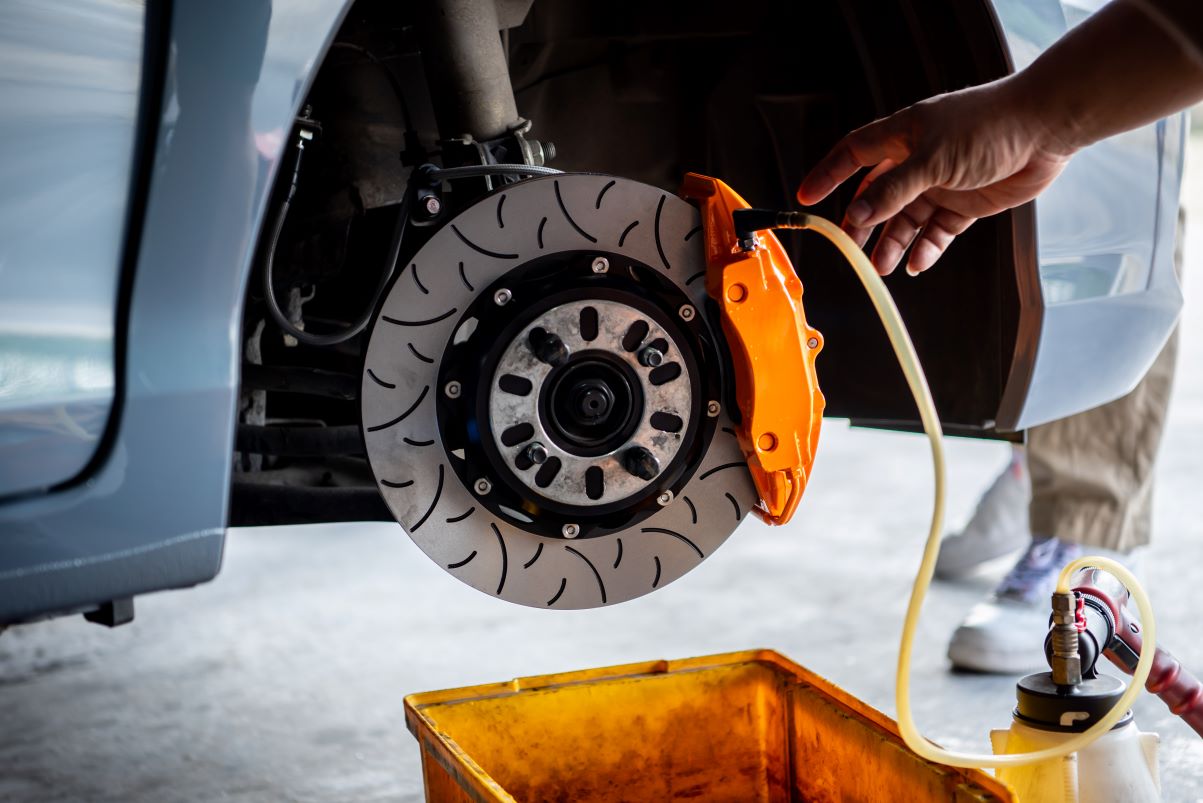
- Slotted Rotors: These improve heat dissipation and are ideal for heavy or high-performance vehicles.
- Drilled Rotors: Designed for better cooling, they’re often used in sports cars or vehicles with heavy-duty braking needs.
Tips to Prolong Rotor Lifespan
Driving habits and maintenance practices greatly affect rotor longevity. Avoid aggressive braking, keep brake pads in good condition, and schedule regular brake system inspections to ensure your rotors last longer.
Frequently Asked Questions
1. How many brake rotors does a typical car have?
Most cars have four brake rotors, one for each wheel, to ensure balanced braking.
2. What are the signs of worn brake rotors?
Common signs include vibrations while braking, squealing noises, and visible wear such as grooves or cracks.
3. How often should I replace brake rotors?
Brake rotors typically last 30,000 to 70,000 miles, but this depends on driving habits and road conditions.
Conclusion
Most cars have four brake rotors—one for each wheel. They are essential components of your vehicle’s braking system, ensuring safe and reliable stopping power.
Regular maintenance, timely replacements, and professional inspections are key to extending the lifespan of your rotors and maintaining your vehicle’s safety. If you suspect rotor wear or need expert advice, trust URBS Garage for all your braking needs in Erlanger, KY.
