A well-functioning radiator is essential for maintaining your vehicle’s optimal performance. Over time, radiators can become clogged due to rust, debris, and poor-quality coolant, leading to engine overheating and reduced efficiency.
This guide provides a step-by-step approach to identifying, unclogging, and preventing radiator blockages. Whether you’re dealing with overheating issues or reduced coolant flow, learning how to repair a radiator can save you time and money while keeping your vehicle in top condition.
How do you unclog a radiator?
To unclog a radiator, you need to drain old coolant, use a radiator flush solution, rinse, and refill with fresh coolant. Bleed the system to ensure air pockets are removed.
Key Takeaways
- Recognize Symptoms: Overheating engine, poor cabin heat, discolored coolant, low levels.
- Primary Causes: Rust, debris, low-quality coolant.
- Unclogging Steps: Drain, flush with solution, rinse, refill, and bleed.
- Prevention Tips: Regular coolant flushes, high-quality coolant, routine checks.
- Professional Help: Seek a mechanic for severe or persistent issues.
Signs of a Clogged Radiator
Recognizing the symptoms of a clogged radiator is crucial for timely intervention:
- Engine Overheating: A blocked radiator impedes coolant flow, causing the engine to overheat. If your temperature gauge frequently reads higher than normal, it’s a clear indicator.
- Poor Cabin Heating: The heater core relies on hot coolant from the radiator. A clog can result in insufficient heating inside the vehicle.
- Discolored Coolant: Rust or debris can turn the coolant a brownish color, indicating contamination.
- Low Coolant Levels: Sudden drops in coolant levels without visible leaks may suggest internal blockages.
Causes of Radiator Clogs
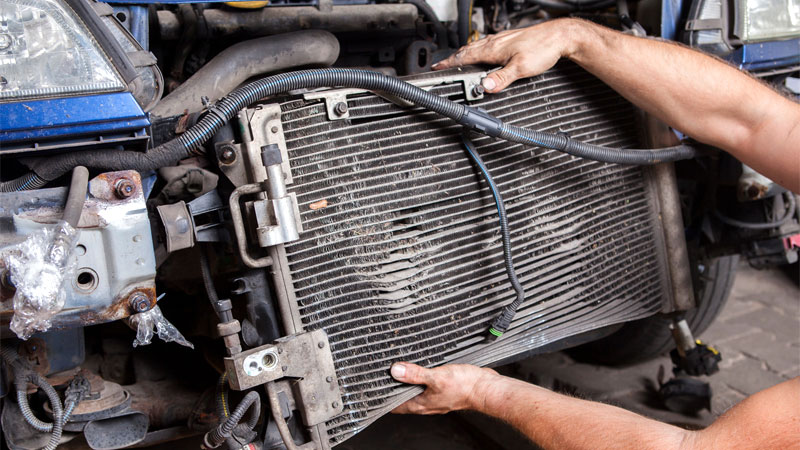
Understanding the root causes can help in prevention:
- Rust and Corrosion: Over time, metal components can rust, leading to sediment build-up within the radiator.
- Debris and Contaminants: Particles from degraded hoses or external debris can enter the cooling system, causing blockages.
- Poor Coolant Quality: Using substandard or incorrect coolant can lead to deposits and sludge formation.
If buildup and corrosion are already in play, your cooling system might not be the only thing struggling. A shop that handles HVAC repair in Monfort Heights can check for airflow or heating issues that often get overlooked when sludge starts clogging things up.v
Step-by-Step Guide to Unclogging a Radiator
- Gather Necessary Tools
- Radiator flush solution (available at automotive stores)
- Garden hose with a nozzle
- Drain pan
- Safety gloves and goggles
- Fresh coolant (as per your vehicle’s specifications)
- Drain the Radiator
- Ensure the engine is cool before starting.
- Place the drain pan beneath the radiator drain plug.
- Open the drain plug and allow the old coolant to drain completely.
- Dispose of the used coolant responsibly, adhering to local regulations.
- Flush with a Cleaning Solution
- Close the drain plug.
- Pour the radiator flush solution into the radiator.
- Fill the rest with distilled water.
- Start the engine and let it run for the duration specified on the flush product (usually 10-15 minutes).
- Turn off the engine and allow it to cool.
- Rinse and Refill
- Once cooled, open the drain plug and let the cleaning solution drain out.
- Close the drain plug.
- Use a garden hose to fill the radiator with water, then drain again to rinse out any remaining debris.
- Repeat the rinse process until the water runs clear.
- Close the drain plug and refill the radiator with the appropriate mix of fresh coolant and distilled water.
- Bleed the System
- Start the engine with the radiator cap off.
- Allow it to reach operating temperature; this helps air bubbles escape.
- Top up the coolant as the level drops.
- Once bubbles cease and the level stabilizes, replace the radiator cap.
Preventive Measures to Avoid Future Clogs
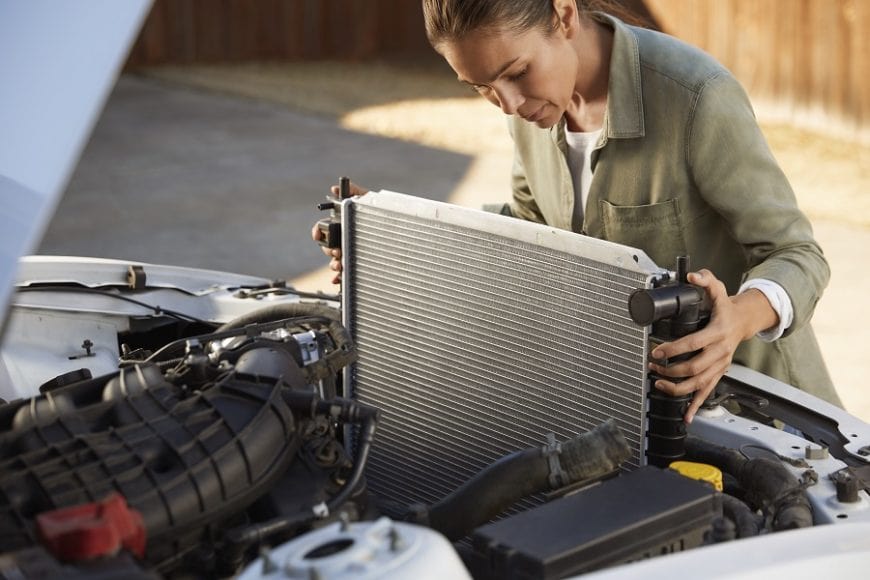
- Regular Coolant Flushes: Perform coolant flushes every 30,000 miles or as recommended by your vehicle manufacturer.
- Using Quality Coolant: Always use the coolant type specified in your vehicle’s manual to prevent corrosion and deposit formation.
- Routine Inspections: Regularly check the radiator and hoses for signs of wear, leaks, or rust.
If you want your car radiator to last for a long time, keep these things in mind.
When to Seek Professional Help
If you experience persistent overheating or notice significant debris in the coolant, it’s advisable to consult a professional mechanic.
For residents in the Greater Cincinnati area, Urb’s Garage offers comprehensive radiator services, ensuring your vehicle’s cooling system operates efficiently.
Frequently Asked Questions:
1. What are the signs of a clogged radiator?
Signs include engine overheating, poor cabin heating, discolored coolant, and low coolant levels. Early detection is key to preventing further damage.
2. How do you unclog a radiator?
Unclog a radiator by draining old coolant, flushing with a cleaning solution, rinsing, and refilling with fresh coolant. Ensure to bleed the system to remove air pockets.
3. Can I prevent my radiator from clogging?
Yes, perform regular coolant flushes, use high-quality coolant, and conduct routine inspections to prevent rust, debris, and build-up in your radiator.
Conclusion
If you’re noticing signs like engine overheating, coolant leaks, or sludge buildup, it may be time for a radiator repair in Erlanger, KY. A clogged or damaged radiator can seriously affect your engine’s performance and even lead to costly repairs if left unchecked. At Urb’s Garage, our certified technicians provide thorough radiator inspections, cleanings, and repairs to keep your cooling system running efficiently. Don’t let a minor issue turn into a major breakdown—stop by for expert radiator service and keep your vehicle running cool and strong.
Regular maintenance and prompt attention to issues will keep your vehicle running efficiently for years to come.
