
A car’s radiator is crucial for maintaining engine temperature, ensuring efficient performance, and preventing overheating. Understanding the typical lifespan of a radiator and the factors that influence it can help vehicle owners keep their cars running smoothly and avoid costly repairs.
This guide provides an in-depth look at how long a car radiator typically lasts, the signs of wear, and how to extend its life.
How long does a car radiator last?
A car radiator typically lasts 8 to 10 years, but its lifespan can vary depending on material, maintenance, driving conditions, and environmental factors.
Key Takeaways
- Typical Lifespan: 8 to 10 years, influenced by various factors.
- Key Factors: Material quality, driving conditions, and maintenance impact lifespan.
- Signs of Wear: Coolant leaks, overheating, rust, poor heat output, discolored coolant.
- Maintenance Tips: Regular coolant flushes, inspections, using proper coolant, and replacing damaged parts promptly.
- Replacement: Assess cost-effectiveness and consult professionals for guidance.
Average Lifespan of a Car Radiator
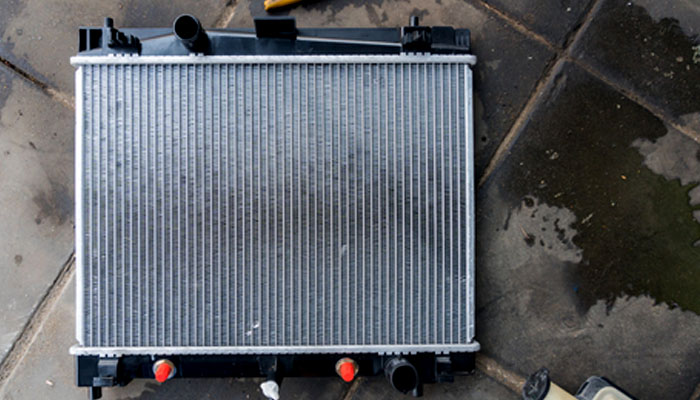
Car radiators generally last between 8 to 10 years, depending on various factors. However, this lifespan can vary based on the radiator’s material, driving habits, and maintenance.
Knowing what affects your radiator’s longevity can help you take proactive measures to maximize its lifespan.
Key Factors Influencing Radiator Longevity
Quality of the Radiator Material
Radiators can be made from aluminum, plastic, or copper brass. Each type has its strengths and weaknesses:
- Aluminium Radiators: Lightweight and resistant to corrosion but may not be as durable as copper-brass models.
- Plastic Components: Common in many modern cars but prone to cracking and brittleness over time.
- Copper-Brass Radiators: More durable but heavier and can be more susceptible to corrosion without proper maintenance.
You can check out our Aluminum radiator repair guide if you are interested in knowing about it.
Driving Conditions
How and where you drive can significantly impact your radiator’s lifespan:
- City Driving: Frequent stop-and-go traffic can cause the engine to run hotter, putting more stress on the radiator.
- Highway Driving: Allows for better airflow through the radiator, aiding cooling efficiency.
- Rough Terrain: This can lead to physical damage to the radiator from debris or vibrations.
Maintenance Practices
Consistent and proper maintenance is essential for extending a radiator’s life. Regular coolant flushes, visual inspections, and addressing minor issues can prevent them from becoming significant problems.
If the radiator gets clogged, you must know how to unclog a radiator the right way to use for a longer period.
Quality of Coolant Used

The type and quality of coolant used are vital for radiator health. Using subpar or incorrect coolant can lead to corrosion, reducing the radiator’s efficiency and lifespan.
Always use the coolant recommended by your vehicle’s manufacturer and avoid mixing different types.
Environmental Factors
Extreme weather conditions and exposure to road salts in winter can affect a radiator’s lifespan.
Cold climates require antifreeze to prevent the coolant from freezing and damaging the radiator, while hot climates can increase the risk of overheating.
Just like coolant quality matters for your radiator, clean fuel matters for your engine. Regular car fuel cleaning in Erlanger can help prevent performance dips caused by buildup, especially when your ride’s dealing with extreme temps or rough road conditions.
Signs That Your Radiator Is Nearing the End of Its Life
Frequent Coolant Leaks
If you notice puddles of coolant under your vehicle or the coolant level dropping without explanation, your radiator may leak. If you are wondering why is my radiator leaking, you may have the answer now.
Coolant is typically green, yellow, or pink and has a sweet smell.
Engine Overheating
An overheating engine is a significant sign of radiator issues. If your temperature gauge frequently rises above the normal range, your radiator may not be effectively cooling the engine.
Visible Rust or Corrosion
Rust and corrosion can compromise the radiator’s structure, leading to leaks and reduced efficiency.
Regular checks for discoloration or rust around the radiator and hoses are essential.
Poor Heating Performance
If your car’s heater is not providing adequate warmth, it may be due to insufficient hot coolant reaching the heater core, indicating a radiator problem.
Discolored or Contaminated Coolant
The coolant should be bright and clear. Rusty or debris-laden coolant is a sign of internal corrosion and potential radiator failure.
How to Extend the Life of Your Car Radiator
Regular Coolant Flus
Flushing the cooling system helps remove built-up debris and contaminants, preventing blockages and corrosion. Experts recommend a coolant flush every 30,000 miles or according to the manufacturer’s specifications.
Routine Inspections
Regular visual inspections can catch issues before they escalate. Check the radiator, hoses, and clamps for leaks, cracks, or wear, and address any minor issues promptly.
Using High-Quality Coolant
Always use high-quality, manufacturer-recommended coolant to maintain radiator efficiency and prevent internal corrosion. Mixing different coolant types can lead to chemical reactions that damage the radiator.
Replacing Damaged Parts Promptly
Replace any damaged hoses, clamps, or caps immediately. Minor leaks can escalate into significant issues if left unattended, potentially compromising the entire cooling system.
Preventing Corrosion
Ensure the cooling system is properly sealed to prevent air from entering, which can lead to oxidation and rust. Use corrosion inhibitors to help prolong the life of your radiator.
When to Consider Replacing Your Radiator
Age of the Radiator
If your radiator is over 10 years old and showing signs of wear, it may be time to replace it. Even with regular maintenance, older radiators are more prone to developing problems.
Cost vs. Benefit Analysis
Frequent repairs can add up. If you find yourself continually fixing leaks or addressing overheating issues, replacing the radiator may be more cost-effective than ongoing repairs.
Professional Assessment
Consulting with a mechanic, like those at Urb’s Garage, can provide a thorough evaluation of your radiator’s condition. Professional assessments ensure you receive expert advice on whether a repair or replacement is necessary.
What to Expect When Replacing a Radiator
Cost of Radiator Replacement
The cost of radiator replacement can range from £200 to £600, depending on the car’s make and model. Labor costs, the radiator’s quality, and whether the vehicle requires custom parts can influence the price.
Time Frame for Replacement
Replacing a radiator generally takes 2 to 3 hours, though this can vary based on the vehicle’s complexity and the mechanic’s experience.
Choosing the Right Replacement
Ensure that the replacement radiator meets or exceeds OEM (Original Equipment Manufacturer) specifications. This guarantees compatibility and optimal performance.
Frequently Asked Questions
1. Can a radiator last the life of a car?
While a radiator can last the car’s lifetime with ideal conditions and diligent maintenance, it’s rare. Most radiators need replacement at least once during the car’s life.
2. What are the best practices to extend radiator life?
Perform regular coolant flushes, use the correct coolant type, and conduct routine inspections to catch early signs of wear. Replacing damaged parts promptly helps too.
3. Is it better to repair or replace a leaking radiator?
For minor leaks, repairs may suffice, but persistent or severe leaks often require replacement to ensure the cooling system’s reliability.
Conclusion
A car radiator plays a crucial role in maintaining your engine’s temperature and overall health. While the average lifespan of a radiator is 8 to 10 years, it can vary significantly based on material quality, driving habits, and maintenance practices.
Regular inspections, using the correct coolant, and addressing issues early can extend your radiator’s life. For professional diagnostics and repairs, trusted service providers like URBS Garage can ensure your cooling system stays in top condition.
