
When it comes to your car’s engine, oil plays an essential role in ensuring the smooth operation of the moving parts.
But a common question that many car owners ask is, “Is engine oil the same as motor oil?”
In this blog, we’ll clear up the confusion, exploring the differences (if any) between the two, their functions, and why they are important for your vehicle.
Is Engine Oil the Same as Motor Oil?
Yes, engine oil and motor oil are the same. Both lubricate engine components to reduce friction, heat, and wear, ensuring smooth engine performance. The terms are often used interchangeably.
Key Takeaways:
- Engine oil and motor oil are the same thing, used for lubrication and protection.
- Choose the right oil based on your vehicle’s specifications for optimal performance.
- Regular oil checks and timely oil changes ensure the longevity of your engine.
What Is Engine Oil?

Engine oil, often referred to as motor oil, is a lubricant used in internal combustion engines. It’s specifically designed to lubricate engine components, reduce friction, and prevent wear.
Oil also helps with heat dissipation, keeping the engine from overheating, and it plays a role in cleaning the engine by carrying away dirt, debris, and particles that accumulate during the engine’s operation.
There are two main types of engine oil:
Conventional Oil: This is the standard oil made from crude oil. It’s suitable for older cars or vehicles with simple engines.
Synthetic Oil: This is artificially made from synthetic base oils and offers better performance and protection, particularly in modern engines.
Both types serve the same primary purpose: to keep the engine running smoothly, but synthetic oils tend to offer better performance under extreme conditions.
At URBS Garage, we provide Toyota oil change in Finneytown and do the same for many other popular brands. We also provide auto electrical repair, check engine light, and transmission repair in Finneytown.
What Is Motor Oil?
Motor oil is, in fact, the same as engine oil. The terms “motor oil” and “engine oil” are often used interchangeably.
Motor oil is the oil that lubricates and protects the engine, ensuring that it runs efficiently by reducing friction and wear.
The primary difference in the terms comes down to regional and colloquial usage. In the United States, “motor oil” is the more common term, while in other parts of the world, “engine oil” might be used more frequently.
So, to answer the question simply, yes – engine oil and motor oil are the same thing.
However, the term “motor oil” is more commonly used in the context of automotive maintenance in the U.S., while “engine oil” is more universal.
Types of Engine/Motor Oil
Although engine oil and motor oil are the same, there are different types based on vehicle needs. Here’s a breakdown of the most common types:
1. Conventional Oil

Conventional motor oil is the most basic type of oil and is derived from crude oil. It works well for basic vehicles with older or less demanding engines.
Conventional oil requires more frequent oil changes but is more affordable than synthetic options.
2. Synthetic Oil
Synthetic oil is engineered to provide better protection and performance. It’s designed to withstand extreme temperatures, both high and low.
Synthetic oils flow better at lower temperatures and retain their consistency in hot conditions.
Many modern vehicles require synthetic oil to ensure maximum performance, particularly those with high-performance engines.
3. Semi-Synthetic Oil
Semi-synthetic oil is a mixture of conventional and synthetic oils. It offers some of the benefits of synthetic oil but at a lower price point.
It is suitable for vehicles that don’t require fully synthetic oil but would benefit from a more advanced formulation than conventional oil.
4. High-Mileage Oil
High-mileage motor oil is specially formulated for vehicles with more than 75,000 miles on the engine.
It contains additives that help prevent leaks, reduce oil burn-off, and protect against wear that can occur in older engines.
Why Does the Term Matter?
You may wonder why it matters that motor oil and engine oil are the same thing.
The key takeaway is that you should focus on choosing the right type of oil for your vehicle, based on its age, performance needs, and the climate in which you drive.
Whether you call it engine oil or motor oil, it’s vital to use the right oil for optimal engine health.
Here’s why it’s crucial to pick the right oil:
Engine Protection: The right oil ensures that the moving parts of your engine are properly lubricated, preventing damage due to friction and heat.
Optimal Performance: Good quality oil, whether conventional or synthetic, ensures that your engine operates at its best, especially during extreme conditions like high temperatures or heavy loads.
Efficiency: Using the correct motor oil can enhance fuel efficiency by reducing friction, helping your car run more efficiently.
Longevity: Regular oil changes with the proper oil type can extend the life of your engine, reducing the risk of premature wear and tear.
When Should You Change Your Engine/Motor Oil?
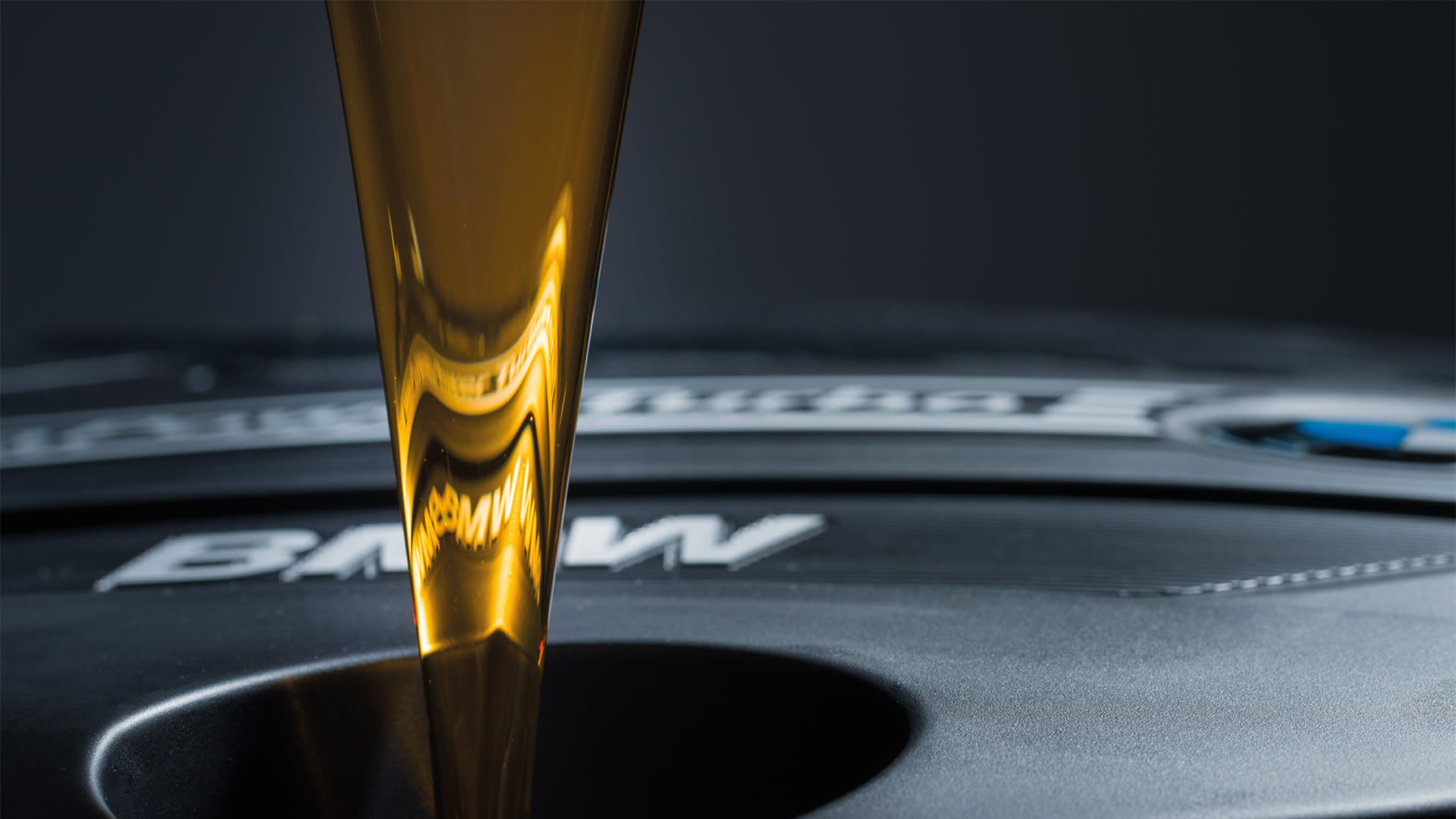
Regardless of whether you use conventional or synthetic oil, it’s essential to change your engine oil regularly.
Over time, engine oil breaks down, losing its ability to lubricate and clean the engine properly.
This can lead to increased friction and wear, potentially causing long-term damage to the engine.
How Often Should You Change Engine Oil?
The frequency of oil changes varies based on your vehicle’s make, model, and the type of oil you use:
Conventional Oil: Typically needs to be changed every 3,000 to 5,000 miles.
Synthetic Oil: Can usually go between 7,500 to 10,000 miles before needing to be changed.
High-Mileage Oil: Used in older vehicles, typically requires oil changes every 5,000 to 7,500 miles.
However, always refer to your vehicle owner’s manual for the most accurate oil change interval.
Can You Mix Engine Oil and Motor Oil?
Since engine oil and motor oil are the same, you don’t need to worry about mixing different oils.
However, it’s important to use the same type of oil (e.g., synthetic or conventional) when topping up your oil.
Mixing different types of oil can potentially lead to poor performance. For example, mixing synthetic and conventional oil can result in reduced benefits from the synthetic oil.
How to Check Engine Oil
To make sure your engine oil is at the right level and not too dirty, it’s important to regularly check the oil. Here’s how you can check your oil level:
- Park your car on level ground.
- Turn off the engine and let it sit for a few minutes to cool down.
- Locate the dipstick (usually marked with a bright color).
- Remove the dipstick and wipe it with a clean cloth to remove any oil.
- Reinsert the dipstick and remove it again to check the oil level.
- If the oil is below the “minimum” mark, add oil gradually, checking the level as you go.
If the oil is very dark or gritty, it’s time to change it.
What Happens if You Don’t Use the Right Oil?
Using the wrong oil can have significant consequences on your engine’s performance. Here are a few issues that could arise:
Increased Wear and Tear: Using the wrong oil can cause more friction, leading to more wear on engine parts.
Poor Fuel Efficiency: The wrong oil may make the engine work harder, reducing fuel efficiency.
Overheating: Oil that doesn’t lubricate well enough can cause overheating, damaging engine parts.
How to Choose the Right Engine/Motor Oil
When choosing engine or motor oil, consider the following factors:
Manufacturer’s Recommendation: Always follow the manufacturer’s recommended oil type and grade, which you can find in your owner’s manual.
Oil Type: Choose between conventional, synthetic, or semi-synthetic oil depending on your car’s requirements.
Viscosity Rating: Oil viscosity (thickness) is important for the engine’s operation. Typically, a 5W-30 oil is a standard choice for many vehicles.
fleet vehicle maintenance checklist
Frequently Asked Questions
1. Is engine oil the same as motor oil?
Yes, engine oil and motor oil are the same thing. They refer to the oil that lubricates and protects the engine, ensuring smooth operation and preventing wear.
2. How do I know which oil to use for my car?
Always check your vehicle’s owner manual for the manufacturer’s recommended oil type, grade, and viscosity for your car’s specific model.
3. Can I mix different types of engine oil?
It’s generally not advisable to mix synthetic and conventional oils. Always use the same type of oil when topping up or changing your oil.
Conclusion
In conclusion, engine oil and motor oil are essentially the same thing, with the term used interchangeably depending on where you are.
While both terms refer to the same product, it’s important to select the right oil type for your vehicle, as it plays a crucial role in ensuring smooth engine operation and longevity.
Whether you use synthetic or conventional oil, make sure to monitor your oil levels regularly and perform oil changes as recommended by your vehicle’s manufacturer.
