Low fuel pressure can lead to numerous engine problems, affecting your car’s performance, fuel efficiency, and reliability. It’s essential to understand what causes low fuel pressure, recognize its symptoms, and take prompt action to address it.
In this article, we’ll explore everything you need to know about low fuel pressure and why addressing it swiftly can save you from costly repairs.
What Could Cause Low Fuel Pressure?
Low fuel pressure can result from a failing fuel pump, clogged filter, faulty regulator, or damaged fuel lines, and may sometimes require fuel system cleaning to restore proper fuel flow.
Key Takeaways
- Fuel Pressure: Essential for engine performance.
- Causes of Low Pressure: Weak pump, clogged filter, faulty regulator, leaking injectors, damaged lines.
- Symptoms: Misfires, hard starting, stalling, poor acceleration, low fuel efficiency.
- Prevention: Regular maintenance and quality fuel.
- Risks: Engine damage and safety hazards.
What Is Fuel Pressure?
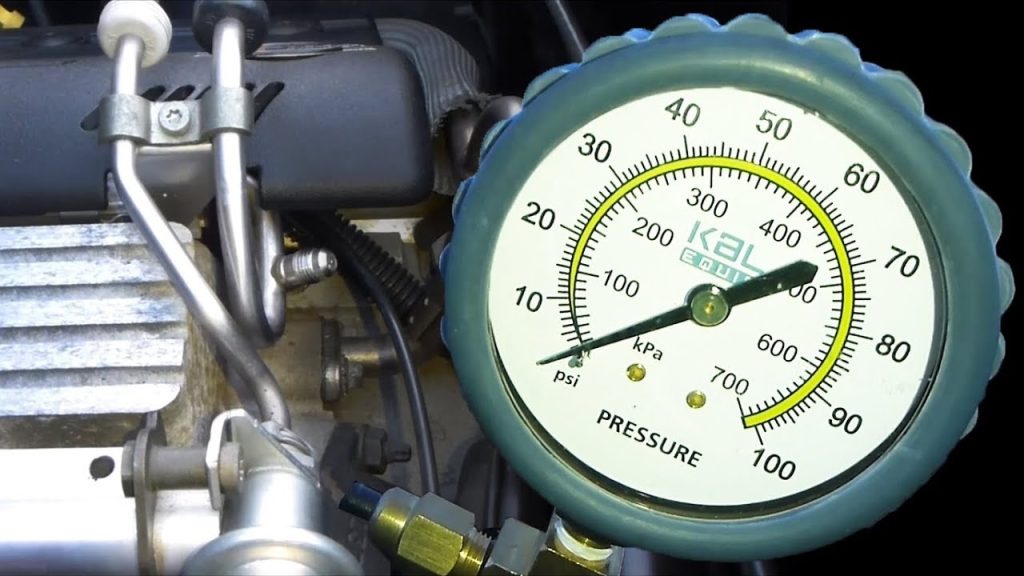
Fuel pressure is the amount of force applied by the fuel pump to push fuel through the fuel lines and into the engine.
Maintaining proper fuel pressure is essential for delivering the right amount of fuel to the engine, ensuring smooth performance. If pressure drops too low, issues like misfires, stalling, and sluggish acceleration can occur. Regular maintenance, including air filter replacement in Finneytown, can help keep your engine running efficiently.
Causes of Low Fuel Pressure
Fuel Pump Issues
The fuel pump is responsible for delivering fuel from the fuel tank to the engine at the required pressure. Over time, the pump can weaken or fail, leading to inconsistent fuel delivery.
If the pump doesn’t generate enough pressure, the engine won’t receive the right amount of fuel, especially during acceleration. Regular wear and tear, contamination, or electrical issues can cause the pump to underperform.
Signs of a failing fuel pump include difficulty starting the engine, sputtering, and poor acceleration.
Just like a fuel pump failure can leave you stranded, a busted AC in peak summer isn’t something you want to deal with. That’s where emergency HVAC services Burlington KY come in clutch—because comfort shouldn’t wait for business hours.
Clogged Fuel Filter
A clean fuel filter is essential for removing debris and contaminants from the fuel before it reaches the engine. Over time, these particles accumulate and clog the filter, restricting the flow of fuel and reducing pressure.
A clogged filter puts extra strain on the fuel pump, making it work harder and causing inefficient fuel delivery. If you’re feeling jerk while driving, it could be a sign that your fuel filter needs replacement as part of your vehicle’s regular maintenance.
Symptoms of a clogged filter include difficulty starting, rough idling, and sluggish performance.
Fuel Pressure Regulator Malfunction
The fuel pressure regulator maintains a consistent pressure within the fuel system, ensuring the engine receives the correct amount of fuel under different driving conditions. To keep the system operating efficiently, it’s important to understand how to do a fuel system cleaning or fuel system cleaning process which can help prevent clogs and maintain optimal fuel pressure.
If the regulator is faulty, it may allow too much or too little fuel to flow and exhaust, leading to erratic pressure. A malfunctioning regulator can cause engine misfires, rough idling, and fluctuations in acceleration.
Inconsistent fuel delivery can cause poor combustion and hurt your gas mileage. Pairing regular fuel pressure checks with our throttle body cleaning service can help catch and prevent these issues early.
Leaking Fuel Injectors
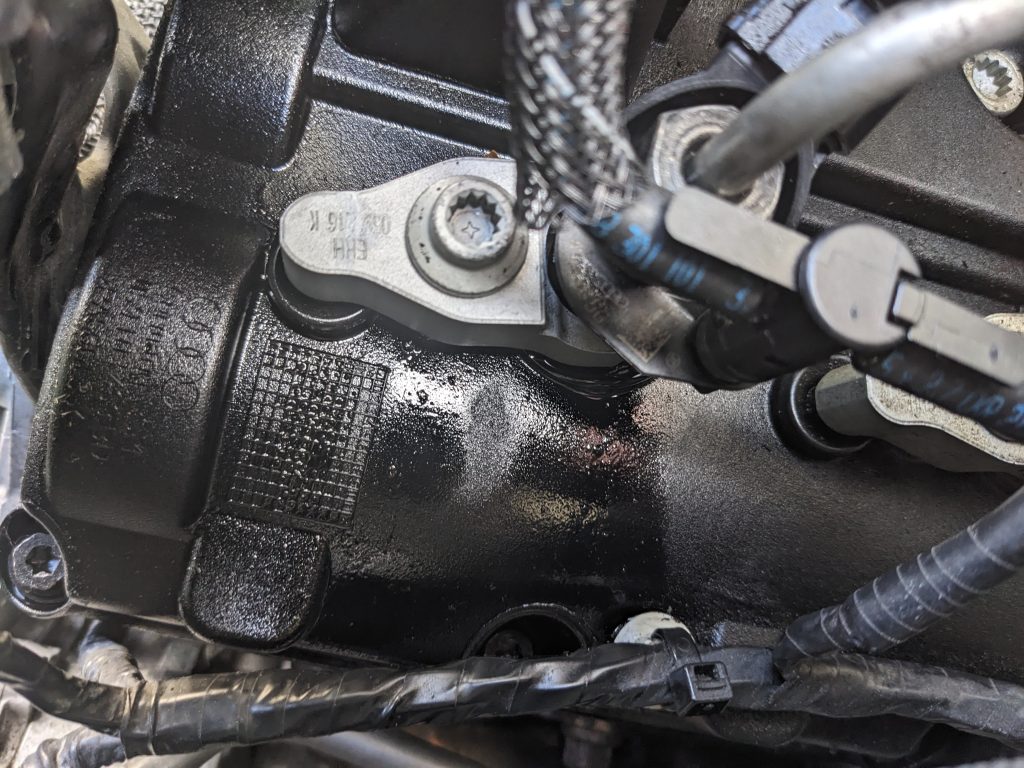
Fuel injectors are responsible for spraying fuel into the engine’s combustion chamber in a fine mist for efficient combustion. If the injectors are damaged or leaking, they may not deliver the correct amount of fuel, leading to low fuel pressure.
Leaking injectors not only waste fuel but can also cause poor engine performance and increased emissions. Symptoms include a drop in fuel efficiency, rough engine performance, and a noticeable fuel smell.
Regular cleaning and inspection of injectors can help maintain optimal performance.
Damaged Fuel Lines
Fuel lines transport fuel from the tank to the engine. Over time, these lines can develop cracks or wear out due to exposure to the elements and mechanical strain.
Damaged fuel lines can cause leaks, reducing the amount of fuel that reaches the engine and lowering pressure.
Besides affecting performance, fuel leaks can be hazardous, posing a risk of fire. Routine checks of the fuel lines can help identify leaks or damages early, allowing for timely repairs or replacements.
Symptoms of Low Fuel Pressure
Low fuel pressure can significantly affect your vehicle’s performance, often causing noticeable issues.
Understanding these symptoms helps in diagnosing the problem early, allowing you to address it before it leads to more severe damage.
Engine Misfires
Engine misfires occur when the combustion process is disrupted, often due to insufficient fuel. Low fuel pressure prevents the engine from getting the right amount of fuel, leading to uneven combustion.
This may cause the car to jerk or shake, particularly during acceleration, and result in rough idling.
Difficulty Starting the Engine
If your vehicle has trouble starting, especially after being idle for a while, it might be a sign of low fuel pressure.
The engine requires a steady flow of fuel to start and run smoothly. When the pressure is low, the fuel pump struggles to deliver enough fuel, making it difficult for the engine to ignite properly.
Stalling or Rough Idling
Inconsistent fuel flow caused by low pressure can lead to stalling, particularly at low speeds or when the car is stopped at traffic lights.
The engine might also idle roughly, meaning it runs unevenly or makes unusual noises. This occurs because the engine isn’t getting a consistent supply of fuel, leading to unstable performance.
Reduced Engine Power and Acceleration
Low fuel pressure restricts the amount of fuel reaching the engine, which directly affects its power output.
This results in a lack of acceleration, making the vehicle feel sluggish when trying to speed up or overtake.
If your car takes longer than usual to accelerate, it could indicate a problem with the fuel pressure.
Poor Fuel Efficiency
When the fuel system doesn’t deliver fuel consistently, the engine may burn more fuel than necessary, leading to poor fuel economy.
Drivers might notice they’re filling up the tank more frequently without a corresponding increase in mileage.
This inefficiency is often due to the engine working harder to compensate for the inconsistent fuel supply.
Diagnosing Low Fuel Pressure
Diagnosing low fuel pressure involves checking the pressure using a fuel pressure gauge. Mechanics can attach the gauge to the fuel rail, measure the pressure while the engine is running, and compare it to the manufacturer’s specifications.
If the pressure is lower than expected, further investigation is required to pinpoint the cause. Regular diagnostic services like those offered at Urb’s Garage can help identify issues early.
Solutions for Low Fuel Pressure
1. Replacing the Fuel Pump
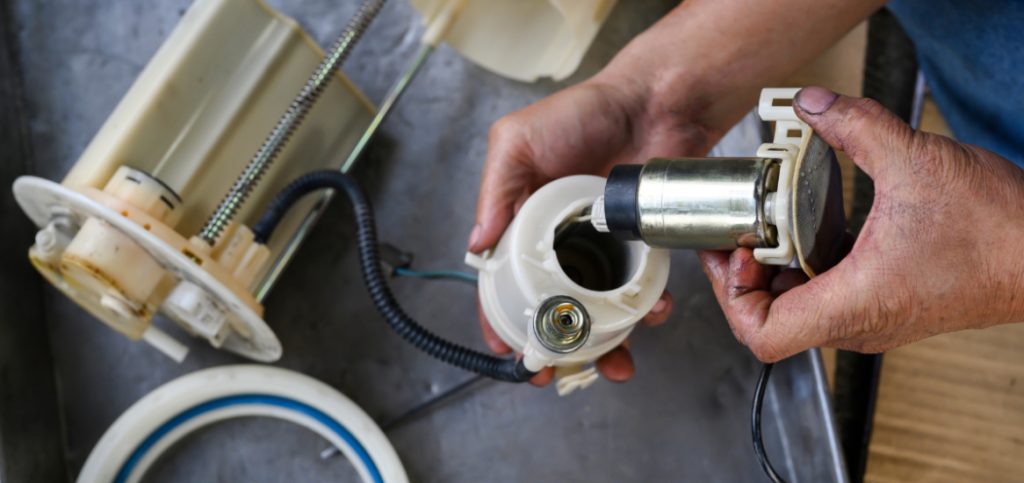
If the fuel pump is failing, replacing it is often the only solution. Make sure to use a high-quality replacement part to avoid future issues.
2. Cleaning or Replacing the Fuel Filter
Regularly cleaning or replacing your fuel filter can prevent clogs that reduce pressure. This is a simple, yet effective maintenance step.
3. Fixing the Fuel Pressure Regulator
A malfunctioning regulator may require adjustment or replacement. Professionals can check for leaks and ensure it maintain the correct pressure.
4. Repairing or Replacing Fuel Lines and Injectors
Damaged fuel lines should be fixed immediately to prevent leaks. Leaking injectors can also be repaired or replaced to restore proper fuel delivery.
Preventing Low Fuel Pressure
Preventing low fuel pressure involves regular maintenance and taking proactive steps to ensure the fuel system runs efficiently. Here are key tips:
- Regular Fuel System Inspections: Schedule routine checks to identify early signs of wear or damage in the fuel pump, injectors, and lines. Early detection helps avoid severe issues.
- Replace Fuel Filters Periodically: Clogged filters can restrict fuel flow, leading to low pressure. Regularly replacing them ensures a clean, smooth fuel supply.
- Use Quality Fuel and Additives: Opt for high-quality fuel to minimize debris buildup. Occasionally using fuel additives can keep injectors clean and promote better fuel flow.
- Timely Fuel Pump Maintenance: Monitor your pump’s performance and replace it if you notice any irregularities, ensuring steady fuel delivery.
Taking these preventive measures ensures smooth engine performance, and better fuel efficiency, and reduces the risk of costly repairs.
Risks of Ignoring Low Fuel Pressure Issues
Neglecting low fuel pressure can lead to serious consequences for your vehicle’s performance and safety. Here are the key risks:
1. Engine Damage:

Consistently low fuel pressure forces the engine to work harder, increasing the risk of overheating, misfires, and severe engine wear.
Prolonged exposure to these issues can lead to catastrophic engine failure, requiring costly repairs or even a complete engine replacement.
2. Reduced Fuel Efficiency:
Insufficient fuel pressure disrupts the air-fuel ratio, causing inefficient combustion.
This not only wastes fuel but also leads to increased emissions, costing you more at the pump over time.
3. Poor Vehicle Performance:
Low fuel pressure affects acceleration and power, leading to sluggish performance.
You may notice stalling, rough idling, or hesitation when accelerating, which compromises driving safety, especially in traffic or on highways.
4. Safety Concerns:
Inconsistent fuel delivery can cause your engine to stall unexpectedly, increasing the risk of accidents. Additionally, damaged or leaking fuel lines can be a fire hazard, posing serious safety threats.
Frequently Asked Questions:
1. What causes low fuel pressure?
Low fuel pressure can be caused by a failing fuel pump, clogged filter, faulty regulator, or damaged fuel lines.
2. Can you drive with low fuel pressure?
Driving with low fuel pressure is unsafe and can lead to engine damage, misfiring, and stalling.
3. How do you fix low fuel pressure?
Fixing low fuel pressure may involve replacing the fuel pump, cleaning the filter, or repairing leaks.
Conclusion
Maintaining proper fuel pressure is vital for your vehicle’s efficiency and longevity.
By understanding the causes, symptoms, and solutions for low fuel pressure, you can take proactive measures to keep your engine running smoothly.
Regular maintenance and prompt repairs are crucial, so consider professional services to ensure your vehicle remains in peak condition.
