
A draining car battery can be a frustrating problem, especially when you’re on the go or trying to start your car and it won’t budge. Car batteries are essential to powering your vehicle’s electrical system, and if your battery keeps draining, paintless dent repair mobile near me.
it can lead to all kinds of issues, including being stuck with a dead car in the middle of nowhere. Understanding why your car battery is draining and what you can do about it is key to resolving the issue and preventing further inconvenience.
What Could Be Draining My Car Battery?
Car batteries can drain for many reasons. Common causes include leaving lights on, a faulty alternator, or parasitic drains from electrical components that remain on when the car is off.
Key Takeaways:
- Common Causes: A car battery can drain due to issues like leaving lights on, a faulty alternator, or parasitic drains from electrical components.
- Signs of Battery Drainage: Watch for dim headlights, slow engine cranking, and electrical system malfunctions, all of which may signal a problem.
- Immediate Solutions: Checking for battery corrosion, testing the alternator, and ensuring you turn off all electrical components can help prevent battery drain.
Why Is My Car Battery Draining?
There are many factors that can contribute to a car battery draining unexpectedly. Let’s explore the most common ones.
1. Leaving Lights On
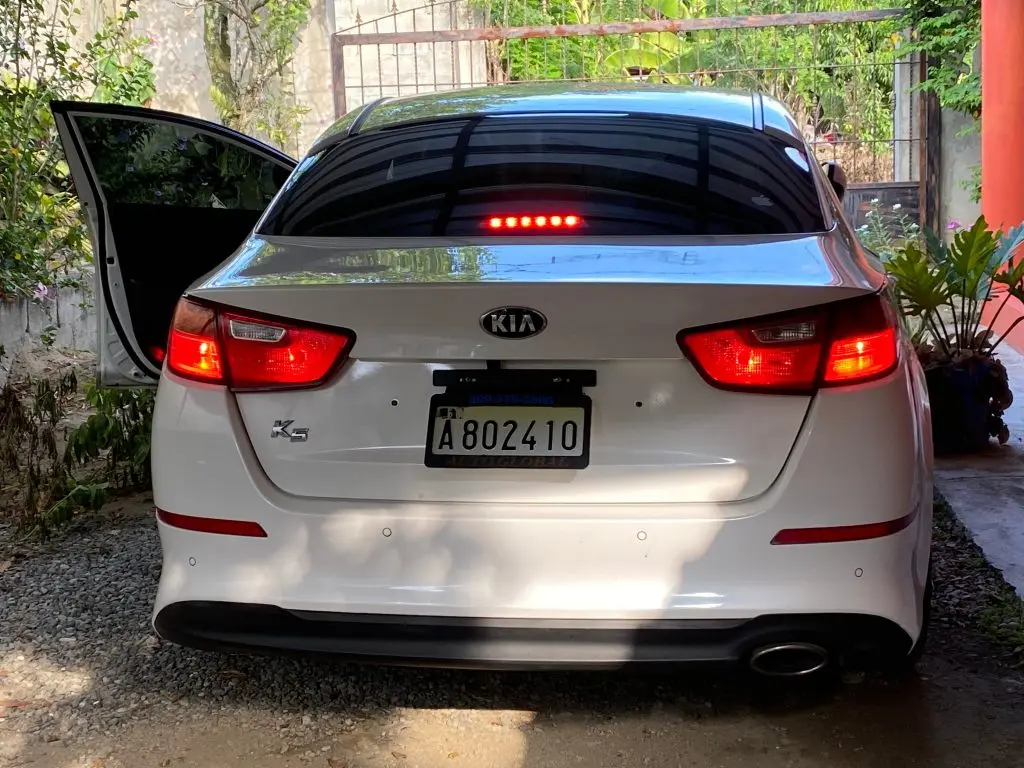
This is one of the most common causes of a dead battery. It’s easy to forget that your headlights, interior lights, or dashboard lights are still on when you leave your vehicle.
Even though modern cars are equipped with auto-off systems for headlights, interior lights or dome lights may still be draining your battery.
If you are just starting to use cars, I have recently shared how many volts is a car Battery. You must check out that article as it’ll get a brief about the battery and it’s capacity.
How to Fix It:
Always double-check that all lights are off before leaving your vehicle Consider installing a battery alert system that notifies you if any electrical systems are left on.
2. Faulty Alternator
The alternator plays a crucial role in charging your car’s battery while the engine is running. If the alternator is faulty, it may not be supplying enough charge to keep the battery full.
Over time, this can lead to battery drainage, even if you don’t notice it immediately.
How to Fix It:
Have the alternator tested by a mechanic. If it’s found to be faulty, it should be replaced to prevent further drainage and ensure proper charging of the battery.
3. Parasitic Drains
A parasitic drain occurs when electrical components in your vehicle continue to use power even when the car is turned off. Some of the most common culprits include:
- Faulty wiring
- Malfunctioning power windows
- Aftermarket audio systems
- Alarm systems
These systems should only draw power when the car is running, but if they malfunction, they can drain the battery over time.
How to Fix It:
Test the car’s electrical system with a multimeter or have a professional mechanic perform a parasitic drain test. If a specific component is identified as the problem, repair or replace it as necessary.
If you live in Monfort Heights, you can get our services If you ever need some help. Not only in Monfort Heights, we also provide the service of car battery installation in Finneytown as well.
4. Battery Age and Condition

Batteries naturally degrade over time, especially after 3-5 years of use. As they age, they lose their ability to hold a charge, which means your battery could start draining more quickly than it used to.
In some cases, corrosion around the battery terminals can also prevent the proper flow of electricity, causing the battery to discharge.
How to Fix It:
Check the battery’s age. If it’s more than three years old, consider replacing it with a new one. Clean the battery terminals regularly to remove corrosion, which can contribute to power loss.
5. Extreme Weather Conditions

Both hot and cold temperatures can have a significant impact on your car’s battery. In hot weather, the battery fluid can evaporate, leading to reduced battery capacity. On the other hand,
in cold weather, a battery’s capacity to produce energy is reduced, and it can drain faster than usual.
How to Fix It:
Park your car in a shaded area or a garage during extreme heat. During the winter, consider investing in a battery warmer to help maintain your battery’s temperature.
6. Faulty Battery Connections
Loose or corroded battery terminals can prevent the battery from charging properly. If the battery terminals are not properly connected, the alternator may not be able to charge the battery, leading to slow drainage over time.
How to Fix It:
Check the battery terminals regularly for any signs of corrosion or looseness. Tighten any loose connections and clean the terminals if needed.
7. Excessive Short Trips
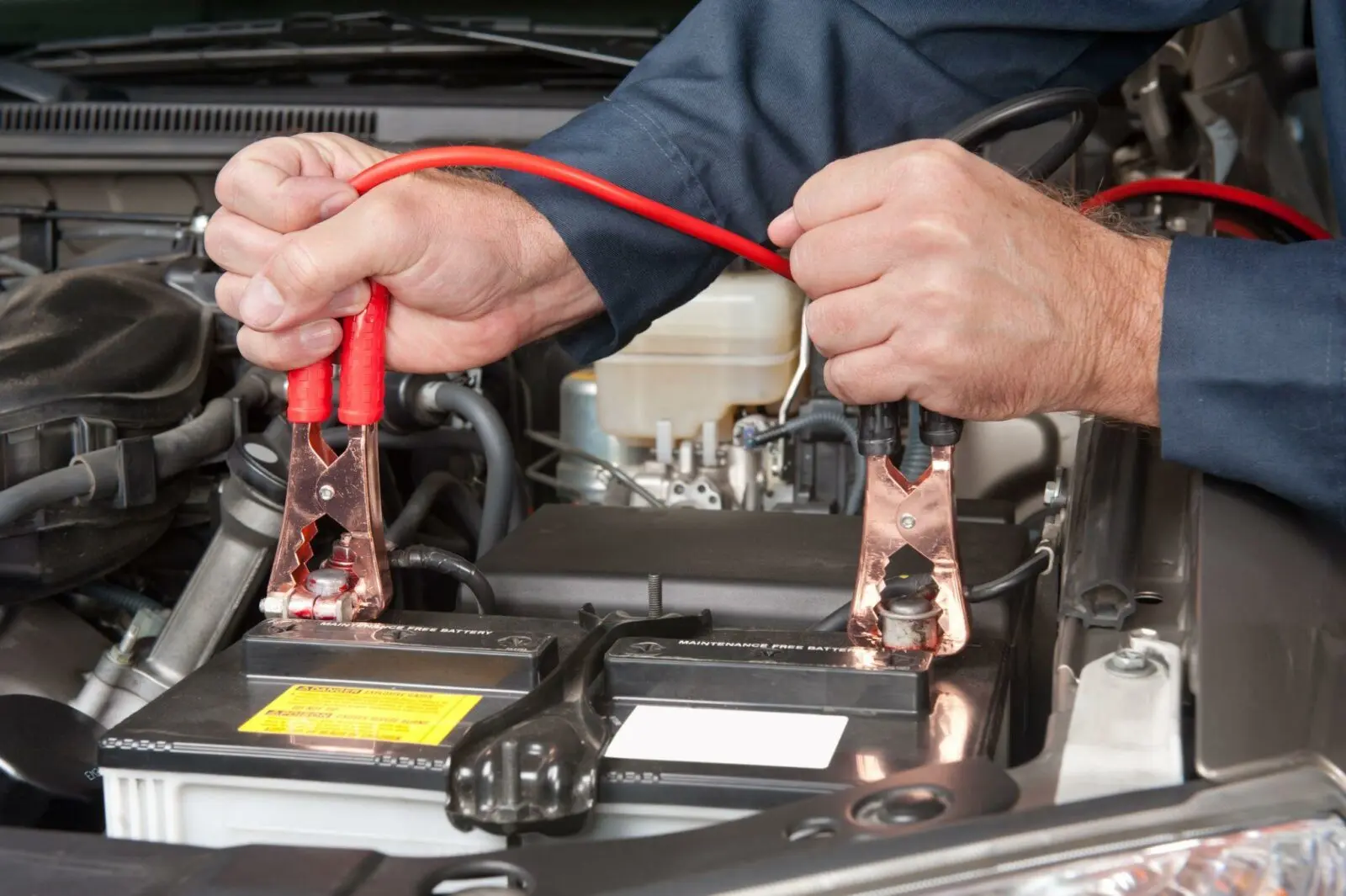
Frequent short trips, where the engine doesn’t run long enough to fully recharge the battery, can lead to gradual battery drainage.
When you drive short distances, your alternator may not have enough time to fully recharge the battery, especially if you’re using electrical accessories like air conditioning or the radio.
How to Fix It:
Try to combine trips when possible to allow the engine to run long enough to recharge the battery. If you mainly drive short distances, consider using a battery charger or maintainer to keep the battery topped up.
8. Malfunctioning Charging System
If there’s an issue with your car’s charging system, such as a worn-out voltage regulator or damaged wiring, the battery may not be charging properly. This can lead to the battery draining, even when the vehicle is running.
How to Fix It:
Have the charging system inspected by a mechanic to identify any underlying issues? Replace or repair any faulty components, including the voltage regulator or wiring.
9. Leaving the Car’s Electrical System On
Leaving electrical components, such as the radio, GPS, or heated seats, on when the engine is off can drain your battery.
Modern cars have a “key-off” feature, which disables electrical systems when the engine is turned off, but some vehicles may still allow certain systems to stay powered.
How to Fix It:
Make a habit of turning off all electrical components before leaving the vehicle. If you notice an electrical drain even with everything turned off, there could be a malfunction in the power system that needs attention.
How to Diagnose a Draining Car Battery
A draining car battery can be frustrating and inconvenient, leaving you stranded and in need of immediate attention. If you suspect that your car battery is losing charge, it’s important to diagnose the issue properly to avoid unnecessary repairs and to ensure the longevity of your vehicle’s electrical system.
There are a few diagnostic steps you can take to identify the root cause of the draining battery. Below is a guide on how to perform these checks before taking your vehicle to a mechanic.
1. Test the Battery Voltage
The first step in diagnosing a draining car battery is to check its voltage. Using a multimeter, you can easily measure the voltage of your car’s battery to get an idea of its condition. The voltage readings will give you an indication of whether the battery is healthy or if it needs replacing.
Engine Off: A fully charged, healthy car battery should read about 12.6 volts with the engine off. If your multimeter shows a reading lower than this, it suggests that your battery is not holding a proper charge.
A voltage reading of around 12 volts or lower indicates a battery that may be nearing the end of its lifespan or could be suffering from insufficient charge.
Engine Running: When the engine is running, the alternator should be charging the battery, and you should expect a reading between 13.7 to 14.7 volts. If the voltage is significantly lower than this, it may indicate that the alternator is not functioning properly, which could lead to the battery draining.
If the readings are significantly lower than expected, the battery may need to be replaced or charged. However, if the voltage is lower when the engine is running, the issue could lie with the alternator, which plays a key role in keeping the battery charged while the engine is running.
2. Check for Parasitic Drains

A parasitic drain occurs when an electrical component in your vehicle continues to draw power from the battery even when the car is turned off. This is a common cause of battery drain and can be tricky to spot without the proper diagnostic tools.
To check for parasitic drains, follow these steps:
Turn off the car and remove the key: Ensure that all lights, doors, and electrical components are off, including the interior lights, the headlights, and any accessories like radios or chargers that might be plugged in.
Use a multimeter: To measure the current draw. Set your multimeter to measure current (amperes) and place one lead on the negative battery terminal and the other lead on the negative cable. This will measure the flow of current from the battery.
Read the multimeter. A healthy vehicle should have less than 50 milliamps of current draw, which accounts for the small amount of power used to maintain settings like the clock or alarm system. If the multimeter reads more than 50 milliamps, there is a parasitic drain in the system.
Isolate the drain: If you identify a high current draw, you can narrow down the source of the drain by pulling out fuses one at a time while watching the multimeter reading. When the reading drops significantly, you’ve likely found the circuit causing the drain.
Common culprits include malfunctioning components such as the radio, power seats, or even faulty relays in the electrical system.
Fixing parasitic drains can be as simple as replacing a faulty component or more complex if it’s related to a wiring issue in the vehicle’s electrical system. Either way, diagnosing the parasitic drain is essential for preventing your battery from constantly draining.
3. Inspect the Alternator
The alternator is a critical component of the car’s charging system. It is responsible for recharging the battery while the engine is running. If the alternator is faulty or not functioning properly, it can prevent the battery from being charged and lead to a draining battery over time.
Here’s how you can check the alternator:
Start the car and let it idle.
Test the voltage using a multimeter, as explained earlier. With the engine running, the voltage should be between 13.7 to 14.7 volts. If the reading is below this range (typically below 12.6 volts), it indicates that the alternator is not charging the battery properly.
Perform a load test: With the engine running, you can also turn on high-power electrical components such as the headlights, air conditioning, or heater. The voltage should remain stable, or even increase slightly.
If the voltage drops significantly when these accessories are turned on, it’s a sign that the alternator is failing and not providing enough power to recharge the battery.
If the alternator is indeed the culprit, it will need to be replaced. Alternators are vital for keeping your battery charged, and a malfunctioning alternator can lead to a draining battery, especially if your car is running for long periods without sufficient charge from the alternator.
After replacing the alternator, it’s a good idea to let your car run for at least 30 minutes to ensure the battery receives a solid initial charge. This answers the common question of how long to let car run after replacing alternator, helping ensure your vehicle is back to full functionality.
4. Check for Corrosion on the Battery Terminals
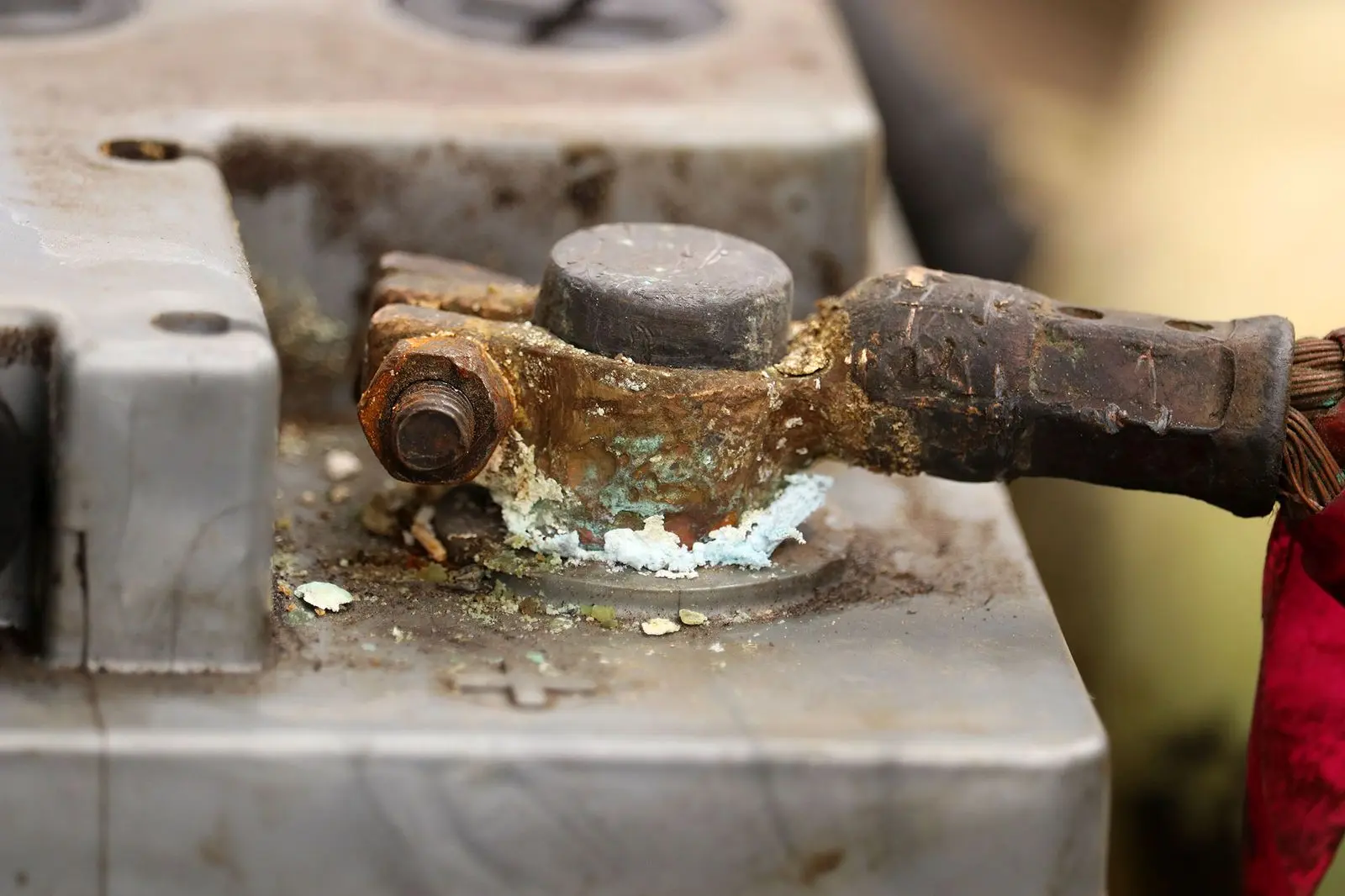
Corrosion around the battery terminals can also lead to battery drain. Corroded terminals can cause poor connections, which can result in a reduced charge being delivered to the battery. You can inspect the battery terminals for corrosion by looking for a white, powdery substance around the positive and negative terminals.
To clean the terminals, you have to:
1. Disconnect the battery: Always start by disconnecting the negative terminal first and then the positive terminal.
2. Clean the corrosion: Use a mixture of baking soda and water to clean the terminals and cable clamps. Apply the solution and scrub the corrosion with a brush, then rinse the area with clean water.
3. Reconnect the battery: Once the terminals are clean and dry, reconnect the positive terminal first and then the negative terminal.
Corrosion cleaning can help maintain a good electrical connection, ensuring that the battery is being charged effectively and isn’t losing power due to poor connections.
Frequently Asked Questions
1. What can cause my car battery to drain?
A car battery can drain due to factors such as leaving lights on, a faulty alternator, parasitic drains, or a weak battery that needs replacing.
2. How can I tell if my alternator is draining my battery?
You can test the voltage of the battery with a multimeter. If the battery reads low even when the engine is running, the alternator might be faulty.
3. Can a car battery drain overnight?
Yes, if there is a parasitic drain or an electrical component that remains on, it can drain the battery overnight.
Conclusion
A car battery can drain for many reasons, from simple issues like leaving lights on to more complex problems such as a faulty alternator or parasitic drain. The most important thing is to identify the cause early on and take corrective action to avoid more severe consequences, such as being stranded with a dead car or needing a costly battery replacement.
Regular maintenance, such as checking your battery, keeping your car’s electrical system in good condition, and driving longer distances to allow the alternator to charge the battery, can go a long way in prolonging your battery’s life.
If you’re unable to identify the issue yourself, it’s always a good idea to take your car to a mechanic for a diagnostic check. By addressing any problems promptly, you’ll ensure that your car continues to run smoothly and that you don’t face any unexpected breakdowns.
