Your car’s engine is a complex system, and the timing belt plays a crucial role in keeping everything running smoothly.
It’s often overlooked, but neglecting it can lead to costly repairs. Curious about what a timing belt does and why it’s essential?
Keep reading to discover how this small part can make a big difference in your car’s performance.
What does a timing belt do in a vehicle?
A timing belt keeps your engine’s valves and pistons in sync. It’s critical for engine timing, ensuring smooth combustion and preventing internal damage.
Key Takeaways
- Timing Belt Role: The timing belt synchronizes the engine’s camshaft and crankshaft, ensuring that the engine’s valves and pistons move in sync.
- Prevents Engine Damage: A properly functioning timing belt prevents the valves from colliding with the pistons, which could cause catastrophic engine damage.
- Maintenance Is Key: Timing belts should be replaced every 60,000 to 100,000 miles to avoid costly engine repairs.
The Role of the Car Timing Belt in Your Engine
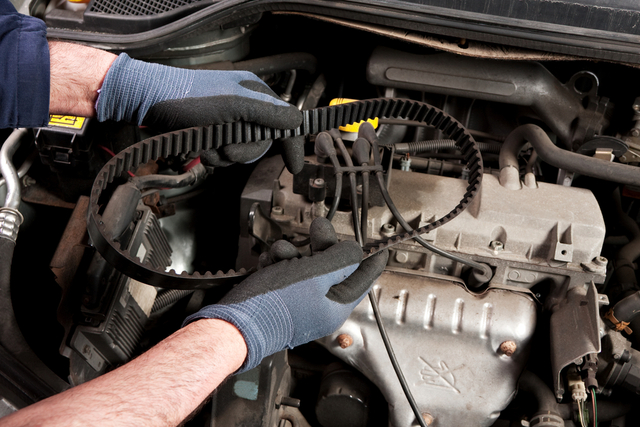
The timing belt is a critical part of your car’s engine. Think of it as the conductor of an orchestra—coordinating the timing of various components so that the engine functions properly.
The timing belt connects the crankshaft and the camshaft, two key engine parts that need to operate in perfect synchrony.
How the Timing Belt Works
Here’s how the timing belt keeps your engine running smoothly:
Synchronizes the Camshaft and Crankshaft: The crankshaft controls the pistons, while the camshaft controls the engine’s valves.
The timing belt ensures that the valves open and close at the right time in sync with the pistons.
Maintains the Engine Cycle: The timing belt helps maintain the proper engine cycle by ensuring that both the intake and exhaust valves are open and closed at the right moments.
Prevents Valve and Piston Collision: The timing belt keeps the pistons and valves from colliding. If the timing belt fails, these components can crash into each other, causing major damage.
Why Is the Timing Belt So Important?
The timing belt does more than just synchronize your engine’s parts—it also ensures the longevity and performance of your engine.
Without a working timing belt, your engine would be unable to function properly, leading to poor performance or even catastrophic failure.
1. Ensures Smooth Engine Operation
By coordinating the pistons and valves, the timing belt ensures that your engine operates smoothly.
Without it, the combustion process would be disjointed, leading to inefficiency and rough engine performance.
2. Prevents Serious Engine Damage
The most significant reason why the timing belt is so important is to prevent engine damage. If the timing belt snaps or becomes misaligned, the pistons and valves can collide.
This can lead to expensive repairs or even a complete engine rebuild. The failure of a timing belt can be catastrophic, so it’s essential to replace it before it wears out.
3. Drives Other Components
In many vehicles, the timing belt also powers other components, such as the water pump, alternator, or power steering pump.
If the timing belt fails, these components may also stop working, which could lead to further complications.
When Should You Replace Your Timing Belt?
Most manufacturers recommend replacing the timing belt every 60,000 to 100,000 miles. However, this can vary depending on your vehicle’s make and model.
Some newer vehicles are equipped with timing chains, which are designed to last longer and typically don’t require as frequent replacement.
Signs You Need a Timing Belt Replacement
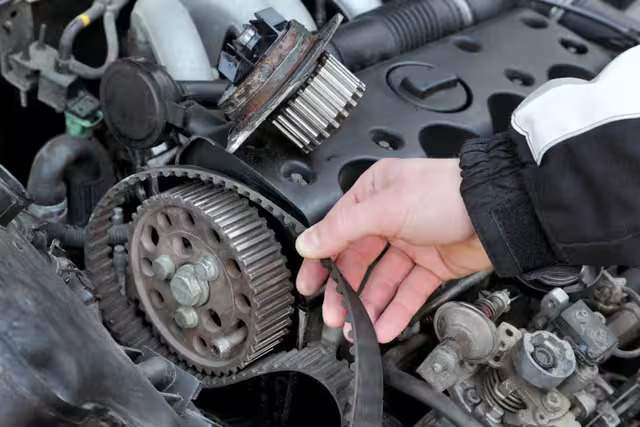
- Mileage: If your vehicle has reached the recommended mileage for timing belt replacement, don’t wait until it shows symptoms of wear. Preventive replacement can save you from costly engine damage.
- Vehicle Age: Even if you haven’t driven your car that much, a timing belt can deteriorate over time. If your car is several years old, it may be time for a replacement, even if the mileage is still low.
- Visible Wear or Cracks: If you visually inspect the timing belt and notice cracks or fraying, it’s time to replace it, even if the mileage is low. Damaged belts can fail unexpectedly.
How to Maintain Your Timing Belt
While you can’t stop the timing belt from wearing down over time, you can ensure that it lasts longer by following a few simple maintenance steps:
1. Follow Manufacturer Guidelines
Always refer to your car’s owner’s manual for specific timing belt replacement intervals. Staying on top of these recommendations helps prevent major engine failures.
2. Inspect the Timing Belt Regularly
If your vehicle’s timing belt is visible (some are hidden behind covers), it’s a good idea to inspect it regularly for signs of wear.
Look for cracks, fraying, or damage, and replace the belt if necessary.
3. Check Related Components
When replacing the timing belt, it’s often a good idea to also replace related components, such as the water pump, tensioners, and pulleys.
This ensures that the entire system is functioning properly and reduces the risk of future failures.
Learning how to tell if a timing belt is going bad can prevent costly repairs and engine damage.
Frequently Asked Questions
1. How do I know if my timing belt needs to be replaced?
Symptoms of a failing timing belt include unusual engine noises, difficulty starting the car, engine misfires, or the check engine light coming on. Regular maintenance is key to preventing failure.
2.What happens if I don’t replace my timing belt?
If a timing belt breaks, it can cause significant damage to the engine, often resulting in costly repairs or the need for a full engine replacement. Preventive replacement is crucial.
Similarly, what happens when a timing chain breaks is equally serious—while timing chains are generally more durable than belts, a failure can still lead to engine misfires, loss of power, and in worst cases, catastrophic engine damage. Regular maintenance and early detection of wear are essential to avoid these costly issues.
3. Can I replace my timing belt myself?
Replacing a timing belt is a complex task that requires knowledge of your engine and specific tools. It’s best left to a professional mechanic to ensure proper installation and prevent potential damage.
Conclusion
Your car’s timing belt plays a pivotal role in the smooth operation of the engine.
It ensures that the engine’s valves and pistons operate in perfect harmony, preventing costly damage and ensuring optimal engine performance.
Regular replacement of the timing belt is crucial for the health of your car, and by staying on top of this maintenance, you can avoid expensive repairs in the future.
