
The timing chain is a vital yet often overlooked part of your vehicle’s engine. While many drivers understand basic engine functions, the timing chain ensures everything operates in sync.
In this guide, we’ll dive into the timing chain’s role, why it’s crucial, and the potential issues that arise if it fails.
What does a timing chain do?
The timing chain synchronises the engine’s camshaft and crankshaft, ensuring the engine’s valves open and close at the right time for smooth performance and fuel efficiency.
Key Takeaways
- The timing chain synchronises the movements of the engine’s components, ensuring the valves open and close at the correct times
- A malfunctioning timing chain can cause significant engine damage.
- Regular maintenance and inspection of the timing chain can help prevent costly repairs.
What is a Timing Chain?
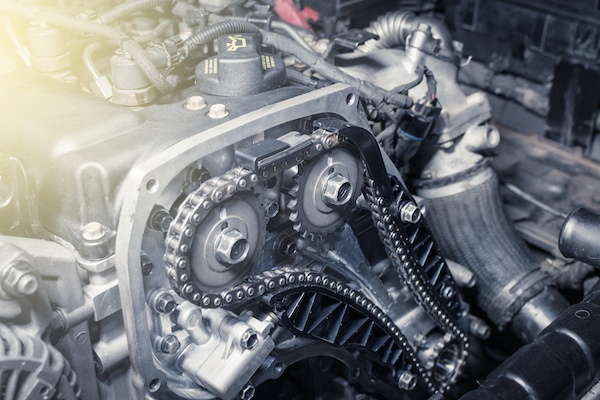
A timing chain is a metal chain that connects the crankshaft to the camshaft in an internal combustion engine.
It is responsible for synchronising the rotation of these two critical components.
The crankshaft controls the up-and-down movement of the pistons, while the camshaft controls the opening and closing of the engine’s valves.
The timing chain keeps the camshaft and crankshaft moving in sync, making sure your engine’s timing stays spot-on. A well-maintained timing chain is key to keeping that precision — and your engine — running smoothly.
In many modern vehicles, the timing chain replaces the timing belt, which was traditionally used for the same purpose.
Unlike timing belts, timing chains are made of durable metal and are designed to last for the life of the engine.
However, just like any other part, timing chains can wear out over time and may need to be replaced.
Related: what does a crankshaft sensor do – another small but essential component that works closely with the timing chain to monitor engine position and ensure proper ignition timing.
How Does the Timing Chain Work?
The primary function of the timing chain is to ensure that the camshaft and crankshaft are moving in perfect synchronisation. Here’s how it works:
Synchronous Movement
As the engine starts, the crankshaft rotates and drives the timing chain. The timing chain, in turn, drives the camshaft.
The camshaft controls the opening and closing of the engine’s valves at specific points in the engine cycle.
The timing chain ensures that these processes happen at the correct time so that fuel and air can enter the cylinders and exhaust gases can be expelled at the right intervals.
Valve Timing
The engine operates in four stages: intake, compression, combustion, and exhaust.
For the engine to run smoothly, the intake and exhaust valves must open and close at precise moments during these stages.
The timing chain ensures that the camshaft rotates at half the speed of the crankshaft, keeping the valve movements synchronised with the pistons’ up-and-down motions.
Why is the Timing Chain Important?
The timing chain’s role in synchronising the engine’s components is crucial for the engine to function efficiently.
If the timing is off, even by a fraction of a second, it can cause engine misfires, poor performance, or even severe damage.
Optimal Engine Performance
When the timing chain works properly, the engine runs smoothly. It ensures that the valves open and close at the correct times, allowing for efficient combustion.
This results in better fuel efficiency, reduced emissions, and improved overall performance.
Prevention of Engine Damage
If the timing chain were to slip or break, the camshaft and crankshaft would no longer be synchronised.
This can lead to catastrophic engine failure. For example, the pistons may collide with the valves, causing serious damage to both.
This is why maintaining the timing chain is essential to prevent costly repairs.
Longevity of Engine Components
The timing chain helps reduce stress on other engine components by maintaining proper synchronisation.
This prevents excessive wear on the engine parts and can prolong the life of your engine.
Signs of a Faulty Timing Chain
While timing chains are built to last, they can still wear out over time or become damaged. Some common signs that your timing chain may be failing include:
Rattling Noise from the Engine
One of the first signs of a worn timing chain is a rattling or slapping noise coming from the engine.
This noise occurs because the chain has stretched and is no longer tight, causing it to slap against the metal guides or other parts inside the engine.
Engine Misfires or Poor Performance
If the timing chain becomes loose or stretched, it can cause the camshaft and crankshaft to fall out of synchronisation.
This leads to misfires and poor engine performance. The car may feel sluggish or hesitate when accelerating.
Check Engine Light
A faulty timing chain can trigger the check engine light, as the engine’s timing is no longer optimal. The vehicle’s computer will detect the timing issue and alert you to the problem.
Engine Won’t Start
If the timing chain completely fails, the engine may fail to start.
This is because the camshaft and crankshaft are no longer in sync, and the engine cannot complete the necessary cycles to start.
What Happens If the Timing Chain Fails?
A failed timing chain can lead to severe engine damage. If the timing chain breaks, it can cause the pistons and valves to collide.
This can result in bent valves, damaged pistons, and in some cases, a completely ruined engine.
The repair costs for a timing chain failure can be significant, often requiring an entire engine rebuild or replacement.
To avoid this costly situation, it’s essential to replace the timing chain before it fails.
Regular inspections and maintenance can help catch early signs of wear and tear, preventing major issues down the road.
How to Maintain Your Timing Chain
To keep your timing chain in good condition, it’s important to follow a few key maintenance practices:
Regular Oil Changes
The timing chain relies on the engine’s oil for lubrication. Over time, oil can break down, and lack of proper lubrication can cause the timing chain to wear out.
Regular oil changes help ensure that the timing chain is well-lubricated and functioning smoothly.
Follow Manufacturer Recommendations
Each vehicle has specific maintenance intervals for the timing chain. Follow the manufacturer’s recommendations for timing chain inspections and replacements.
This will help you stay ahead of potential problems.
Listen for Unusual Noises
Pay attention to any unusual noises coming from your engine, especially if you hear a rattling sound.
If you notice anything out of the ordinary, it’s a good idea to have the timing chain checked by a professional.
Avoid Overloading Your Engine
Excessive strain on your engine can cause undue stress on the timing chain. Avoid putting your engine under heavy load for extended periods, as this can cause premature wear on the chain.

How Much Does It Cost to Replace a Timing Chain?
The cost of replacing a timing chain can vary greatly depending on the make and model of your vehicle, the complexity of the repair, and the labour rates in your area.
On average, timing chain replacement can cost between $1,000 and $3,000, with labour making up a significant portion of the cost.
If your timing chain failure causes additional engine damage, the costs could rise significantly.
In these cases, you might need an engine rebuild or replacement, which can cost upwards of $5,000 or more.
Frequently Asked Questions
1. How long does a timing chain last?
A timing chain can last between 100,000 and 300,000 miles, depending on the vehicle and how well it’s maintained. Some may last for the lifetime of the engine with proper care.
2. How can I tell if my timing chain needs replacing?
Signs of a failing timing chain include rattling noises, engine misfires, poor acceleration, or the check engine light turning on. If you notice any of these, have your timing chain inspected.
3. Can I drive with a failing timing chain?
It’s not recommended to drive with a failing timing chain, as it can cause severe engine damage. If the timing chain breaks completely, it can result in expensive repairs or engine failure.
Conclusion
The timing chain plays a vital role in ensuring the smooth operation of your engine.
By synchronising the crankshaft and camshaft, it ensures that the engine’s valves open and close at the correct times.
Regular maintenance and early detection of issues can help extend the lifespan of your timing chain and prevent costly engine repairs.
If you suspect your timing chain is faulty, don’t delay in getting it checked and replaced.
A well-maintained timing chain is essential for the overall health of your engine and the longevity of your vehicle.
