Engine oil is essential for the smooth operation of your car’s engine. It lubricates the moving parts, reduces friction, and ensures the engine operates at the right temperature. Without sufficient oil, your engine could face significant damage. Many drivers learn about low oil issues during routine checks or while visiting a car repair and maintenance service
. This is especially true for drivers searching for engine oil service Burlington when they notice early signs of low oil
But what should you do if you find that your engine oil is low? Understanding how to handle this situation can save you from costly repairs and prevent major engine issues.
What to Do If Engine Oil is Low?
If your engine oil is low, it’s essential to top it up with the correct oil type as soon as possible. Low oil levels can cause friction in the engine, leading to overheating and potentially permanent damage.
Key Takeaways:
- If your engine oil is low, it’s essential to top it up with the correct type of oil for your vehicle to prevent engine damage.
- Low oil levels could indicate a leak. Regularly inspect for oil spots under your car and get leaks fixed immediately.
- Consistent oil checks every few weeks can help you avoid running low on oil and prevent damage to engine components.
Why Engine Oil Is So Important

Engine oil plays a critical role in the function of your vehicle. It keeps the moving parts of the engine properly lubricated, reducing wear and tear and ensuring that the engine runs smoothly.
Oil also helps regulate engine temperature by absorbing heat, and it traps dirt and debris, preventing them from circulating through the engine.
When the oil level is low, the engine suffers from friction and overheating, which could eventually lead to serious damage. This is why it’s crucial to monitor the oil level and top it up whenever necessary.
What Are the Risks of Low Engine Oil?
If your engine oil is low, it can lead to several issues that affect both the performance and the longevity of your engine. Some of the main risks include:
Increased Friction
Oil helps lubricate the moving parts inside the engine. Without enough oil, these parts will rub against each other, creating friction. This leads to wear and tear on the engine, which can result in costly repairs over time.
Overheating

Oil not only lubricates the engine but also helps to dissipate heat. When the oil level is low, it can no longer absorb heat efficiently, causing the engine to overheat. Overheating can lead to severe engine damage, including warped parts and a blown head gasket.
Engine Seizure
In the worst-case scenario, low oil levels can lead to engine seizure. This occurs when the lack of lubrication causes the engine to lock up, potentially rendering the vehicle inoperable. Engine seizure often requires a complete engine replacement, which can be a very expensive repair.
For beginners, I have recently discussed what happens If you don’t change your oil and shared some useful insights.
How to Check if Your Engine Oil Is Low
Before you can address low engine oil, it’s important to know how to check the oil level in your car.
Here’s a simple step-by-step guide:
Park on a Flat: Surface Ensure your car is parked on level ground to get an accurate oil reading.
Turn Off the Engine: Make sure your car has been turned off for a few minutes to allow the oil to settle, providing a more accurate reading.
Locate the Dipstick: Open the hood and locate the dipstick, which is usually marked with a brightly colored handle (often yellow or orange).
Remove and Clean the Dipstick: Pull the dipstick out and wipe it clean with a cloth or paper towel to remove any oil residue.
Reinsert the Dipstick and Check the Level: Insert the dipstick back into its tube and pull it out again. Check the oil level against the markings on the dipstick. The oil should be between the “full” and “low” marks. If it’s closer to the “low” mark, you need to top it up.
What to Do When Your Engine Oil Is Low
If you discover that your engine oil is low, don’t panic. Here’s a step-by-step guide to help you top it up properly and avoid any further issues:
Buy the Correct Type of Oil
Check your vehicle’s owner’s manual to determine the right type of engine oil for your car. The manual will tell you the recommended viscosity (e.g., 5W-30 or 10W-40) and whether you should use synthetic or conventional oil.
Using the correct oil is essential for optimal engine performance.
If you are hearing about conventional oil, I have written a dedicated where I have explained what is a conventional oil in a detailed way. You can take a look at the post to know about it.
Top Up the Oil
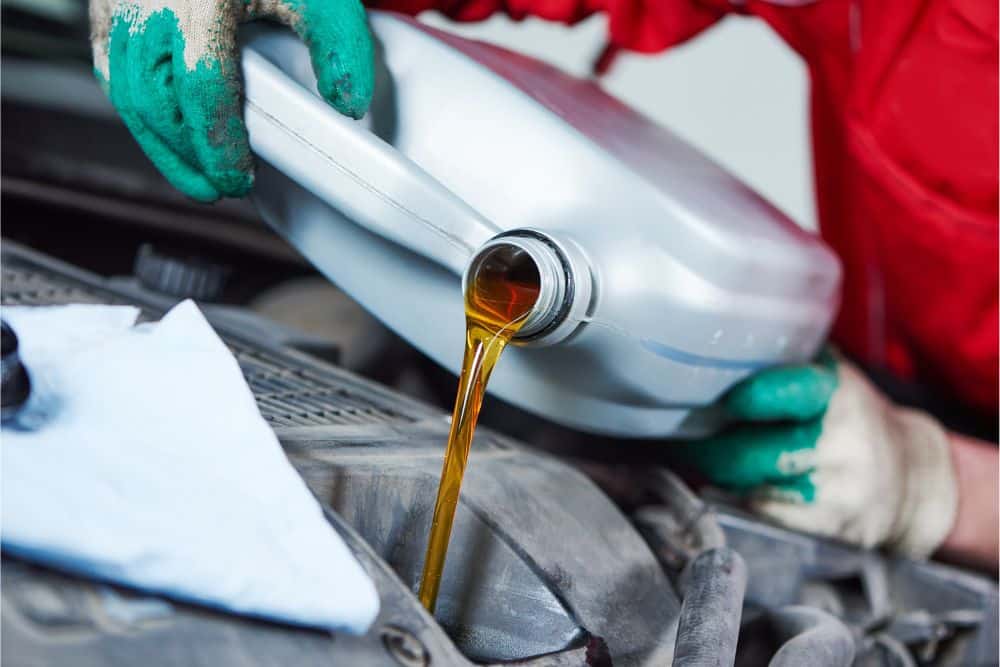
Locate the oil filler cap, which is usually found near the top of the engine. Remove the cap and slowly pour in the correct oil. Start with a small amount and check the oil level with the dipstick after each addition. Be careful not to overfill the engine with oil, as this can cause problems too.
Check for Leaks
If your engine oil is low and you’re topping it up regularly, there may be an oil leak. After topping up the oil, keep an eye on the oil level over the next few days. If the oil level drops again quickly, there may be a leak that needs to be fixed.
Additionally, it’s important to consider other internal issues—can a bad timing chain cause low oil pressure? In some cases, yes. A worn timing chain can lead to poor oil circulation or pressure drops if components like the oil pump are affected.
Inspect the Oil Filter
The oil filter is responsible for trapping dirt and contaminants in the oil. If it’s clogged or old, it may affect the oil circulation in the engine. Make sure to replace the oil filter during routine oil changes. For reliable oil filter replacement in Erlanger KY, visit a trusted local auto service center to keep your engine running smoothly.
If you are wondering where can I get an oil change, I have written a dedicated post on the topic to clear the doubts of some people.
How Often Should You Check and Change Your Oil?
To keep your engine in good condition, it’s important to check your oil level regularly. A general rule of thumb is to check it every 1,000 to 2,000 miles or once a month, especially if you drive frequently or use your car for short trips.
Typically, oil changes are recommended every 3,000 to 5,000 miles if you use conventional oil, or every 7,500 to 10,000 miles if you use synthetic oil. However, always refer to your vehicle’s owner’s manual for specific recommendations based on your car’s make and model.
I have written a separate article that explains how often should you change your oil and reveals more details on the topic. If you are interested, you must check that article for sure.
Frequently Asked Questions:
1. What should I do if my engine oil is low?
If your engine oil is low, top it up with the correct type of oil recommended by your car’s manual. Always check the oil level with the dipstick to avoid overfilling.
2. How often should I check my engine oil?
You should check your engine oil regularly, ideally every 1,000 to 2,000 miles or once a month, especially if you use your car frequently.
3. How can I tell if my oil needs changing?
Look out for dark, gritty oil, engine noises, or exhaust smoke. The check engine light may also indicate poor oil quality. This can be especially important if you drive a luxury vehicle and are due for Audi engine oil service.
You can take a look at this to know how to reset oil change light If you have got it.
Conclusion
Low engine oil is a serious issue that can lead to engine damage, overheating, and even engine failure if left unaddressed.
Regularly checking your oil levels and topping up when necessary is a simple yet crucial part of maintaining your vehicle’s health.
