
Your car’s timing belt may not steal the spotlight, but it’s a key player in keeping your engine running smoothly.
Neglecting its maintenance can lead to costly repairs and engine failure.
In this guide, we’ll explore how to spot the signs it’s time for a timing belt replacement, and why timely care is essential for your vehicle’s health.
When should I replace my timing belt?
Timing belts should be replaced every 60,000 to 100,000 miles, depending on your vehicle. Ignoring this can lead to belt failure and significant engine damage.
Key Takeaways
- Timing Belt Lifespan: Timing belts typically need to be replaced every 60,000 to 100,000 miles, depending on your car’s make and model.
- Signs of Wear: Listen for unusual engine noises, experience engine misfires, or see visible cracks or wear on the timing belt—these can indicate it’s time for a replacement.
- Preventive Maintenance: Replacing your timing belt at the right time can prevent major engine damage and save you from expensive repairs down the road.
What Is a Timing Belt and Why Does It Need to Be Replaced?

Before diving into when to replace a timing belt, let’s take a moment to understand its purpose in your vehicle.
The timing belt is a crucial component that ensures the proper timing of the engine’s camshaft and crankshaft.
These two parts must work in perfect harmony for your engine to run properly. The timing belt ensures that the engine’s valves open and close at the correct time in sync with the pistons.
If the timing belt becomes worn, it can lead to a misalignment between these crucial parts. This can cause the pistons and valves to collide, leading to serious engine damage.
Similarly, will a broken timing chain destroy my engine? The answer is yes—especially in interference engines where a broken chain can cause catastrophic internal damage, including bent valves, damaged pistons, and even a cracked engine block.
For this reason, replacing your timing belt at the right intervals is essential to maintaining your car’s engine health.
When Should You Replace Your Timing Belt?
The most important question for any car owner is, “When should I replace my timing belt?”
Unfortunately, there isn’t a one-size-fits-all answer, as timing belt change frequency can vary depending on the make and model of your car.
However, there are some general guidelines and signs to keep in mind:
1. Manufacturer’s Recommendations
Most car manufacturers recommend replacing the timing belt every 60,000 to 100,000 miles.
This interval can vary based on the type of engine and the specific recommendations for your vehicle.
Always refer to your vehicle’s owner’s manual for the most accurate information regarding when to replace the timing belt.
2. Age of the Timing Belt
In addition to mileage, the age of the timing belt is another important factor. Even if you haven’t reached the recommended mileage, timing belts can deteriorate over time.
Most experts recommend replacing the timing belt after a certain number of years, typically around 7 to 10 years, even if you haven’t reached the mileage threshold.
3. Driving Conditions
If you drive in particularly harsh conditions, such as extreme heat or cold, heavy traffic, or frequently stop-and-go driving, your timing belt may wear out faster.
If this sounds like your driving habits, it may be a good idea to replace the timing belt a little earlier than the recommended mileage.
What Happens If You Don’t Replace the Timing Belt?
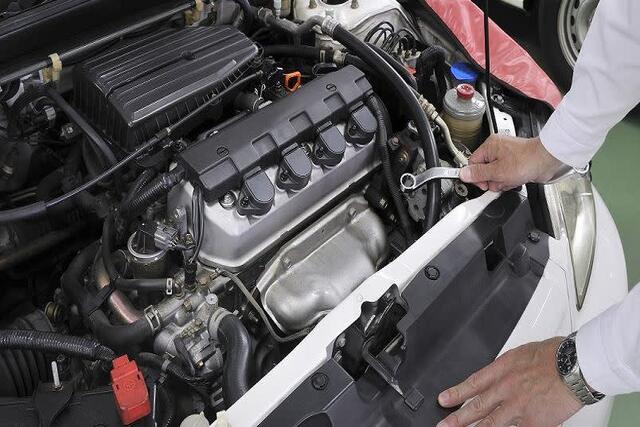
Timing belts are designed to last for a certain period, but like all engine components, they eventually wear out.
If you ignore the need to replace a worn-out timing belt, it can lead to catastrophic engine damage. Here’s what could happen:
1. Engine Damage
If the timing belt breaks, the pistons and valves may collide, causing severe damage to the engine’s components. Similarly, timing chain failure consequences can be just as serious—resulting in misfiring, engine knocking, or even complete engine failure if not addressed promptly.
This kind of damage can lead to expensive repairs, and in some cases, you might need to replace the entire engine.
The cost of replacing a broken timing belt and repairing the engine can easily reach thousands of dollars, making regular replacement well worth the investment.
2. Costly Repairs
If your timing belt breaks while driving, the damage to your vehicle’s engine can be significant.
The cost of replacing the timing belt alone is far less than the cost of repairing the resulting engine damage.
Regularly replacing your timing belt is a small price to pay to avoid much larger repair bills.
3. Reduced Engine Performance
A timing belt that is not functioning properly will affect your engine’s performance, including a loss of power, acceleration, and fuel efficiency.
By replacing the timing belt when necessary, you can avoid these performance issues and keep your vehicle running smoothly.
How Much Does Timing Belt Replacement Cost?
Replacing the timing belt can be a significant expense, but it’s much cheaper than the repairs needed if the timing belt fails.
On average, the cost of replacing a timing belt ranges from $500 to $1,000, depending on the make and model of your car. The price typically includes both parts and labor.
If your mechanic recommends replacing the timing belt, you may also be advised to replace other components, such as the water pump, tensioners, and pulleys, at the same time.
These parts are often removed when replacing the timing belt, so it’s a good idea to replace them while everything is apart to prevent future issues.
Frequently Asked Questions
1. How do I know when my timing belt needs to be replaced?
You should replace your timing belt every 60,000 to 100,000 miles, depending on your vehicle. Symptoms like rough idling, engine misfires, and difficulty starting the engine can also indicate it’s time for a replacement.
2. Can I drive with a bad timing belt?
It’s not safe to drive with a bad timing belt. If it fails, it can cause significant engine damage, leading to costly repairs. Always replace the timing belt on time to prevent engine failure.
3. How much does timing belt replacement cost?
The cost to replace a timing belt ranges from $500 to $1,000, depending on the car make and model. It’s a good idea to replace other related parts, such as the water pump, while replacing the timing belt.
Conclusion
Replacing your timing belt at the recommended intervals is one of the best ways to ensure that your engine continues to run smoothly.
While the timing belt is a relatively low-cost component, failing to replace it on time can lead to severe engine damage and expensive repairs.
Regular inspection and replacement of the timing belt will keep your vehicle running efficiently and save you from costly repairs down the road.
If you’re unsure about the condition of your timing belt, consult a professional mechanic to keep your car in top shape.
