
Noticing white smoke from your diesel engine when accelerating? While a little smoke at startup is normal, persistent white smoke during acceleration is a sign something’s wrong.
It could be anything from a dirty air filter to more serious issues like coolant leaks. In this blog, we’ll explore the common causes of white smoke and how to fix them before they lead to costly engine damage.
Keep reading to find out how to keep your engine running smoothly! A simple maintenance step or a planned diesel power upgrade can also help prevent issues like this over time and knowing when to visit a diesel engine repair service can make all the difference. Many drivers search for help at places like ford diesel shop burlington ky, ford diesel repair shops near me in monfort heights, but understanding the root causes can save time and money.
Why is your diesel engine emitting white smoke when accelerating?
White smoke from a diesel engine during acceleration could indicate unburned fuel, a clogged air filter, or issues with the fuel injectors. It’s important to address it promptly to avoid engine damage.
Key Takeaways:
- White smoke from a diesel engine is typically caused by unburned fuel or coolant entering the combustion chamber.
- Common causes include faulty injectors, worn piston rings, or issues with the head gasket.
- Regular maintenance and early detection of issues can prevent costly repairs and ensure engine longevity.
What Does White Smoke Indicate in a Diesel Engine?
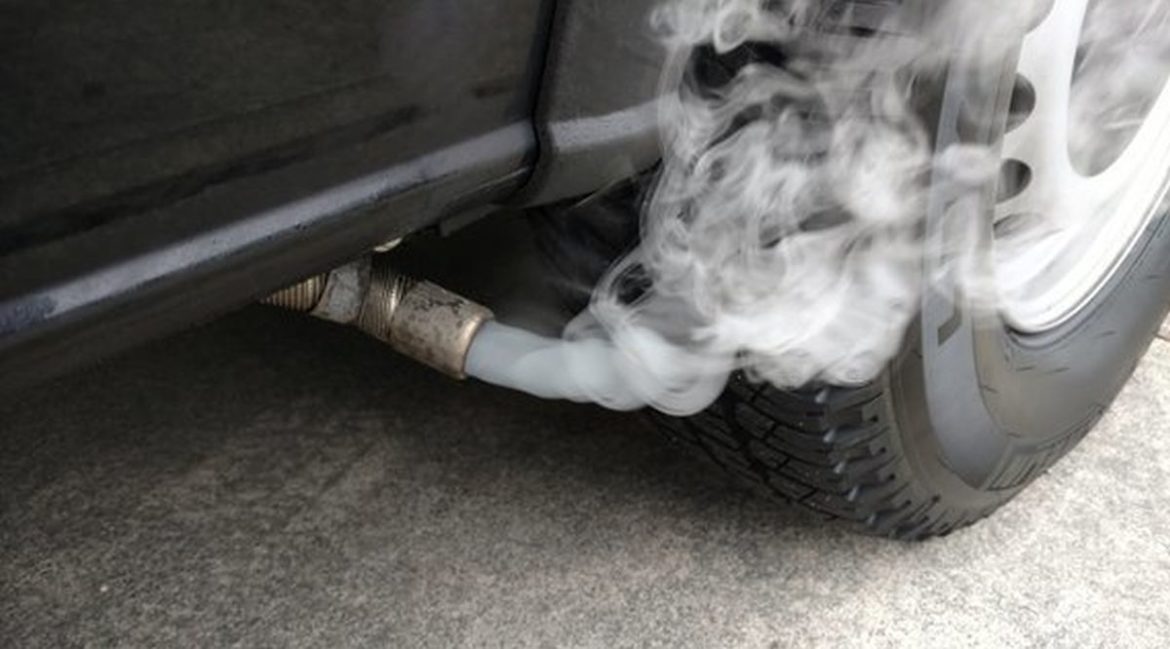
In a diesel engine, white smoke typically indicates that the fuel is not burning properly.
This could be because the fuel is too cold, the air-fuel mixture is incorrect, or there’s an issue with engine components such as the fuel injectors, piston rings, or head gasket.
White smoke means that the fuel is not fully combusting, causing it to exit the engine as visible smoke.
Unlike black smoke, which is usually a sign of too much fuel or incomplete combustion, white smoke is often a sign that the combustion process is too weak or incomplete.
Here’s a deeper look at the common causes.
Common Causes of White Smoke from Diesel Engines
1. Faulty Fuel Injectors
Fuel injectors are responsible for spraying the correct amount of fuel into the combustion chamber.
If the injectors are malfunctioning or clogged, they might inject too much fuel or not atomize it properly, leading to incomplete combustion and white smoke.
2. Symptoms of faulty injectors include:
- Poor acceleration.
- Increased fuel consumption.
- Rough idling.
To fix this issue, fuel injectors need to be cleaned or replaced. Regular maintenance and timely injector cleaning can prevent this problem.
3. Worn Piston Rings
Piston rings help seal the combustion chamber and prevent oil from leaking into the chamber.
Over time, these rings can wear out, causing oil to mix with the fuel and air mixture, leading to incomplete combustion and the release of white smoke.
4. Symptoms of worn piston rings include:
- Excessive oil consumption.
- Loss of engine power.
- Blue or grey smoke along with white smoke.
Replacing piston rings is a more complex repair and may require professional assistance. Regularly checking oil levels and engine performance can help detect this problem early.
Recently I shared how often should you check the engine oil level for safety purposes in a detailed article. You must check that out If you are interested in the topic.
5. Coolant Leaks (Head Gasket Issues)

A more serious cause of white smoke is a coolant leak into the combustion chamber.
This usually occurs due to a blown head gasket or a crack in the cylinder head. When coolant enters the engine, it burns off and produces white smoke, which may have a sweet smell.
6. Symptoms of a head gasket issue include:
- White smoke, especially when the engine is under load.
- Overheating engine.
- Loss of coolant without visible leaks.
If a blown head gasket is the problem, it’s crucial to address it immediately. Continuing to drive with a damaged gasket can lead to severe engine damage.
7. Incomplete Combustion Due to Cold Weather
In colder weather, diesel fuel doesn’t combust as efficiently until it reaches the proper temperature.
If the engine is cold, it may emit white smoke as the fuel fails to burn properly. Once the engine warms up, the smoke should dissipate.
8. Symptoms of cold-weather white smoke include:
- White smoke disappears as the engine warms up.
- Normal performance after a warm-up period.
This is typically not a cause for concern, but if the white smoke persists after warming up, further investigation may be needed.
9. Faulty Air Intake System
The air intake system plays a vital role in providing the engine with the necessary oxygen for combustion.
If there’s a restriction in the air filter or the intake system, the engine may not receive the proper amount of air, leading to poor combustion and white smoke.
10. Symptoms of a faulty air intake system include:
- Reduced engine performance.
- Difficulty starting the engine.
- Reduced fuel efficiency.
Replacing or cleaning the air filter and ensuring proper air intake can solve this issue.
How to Fix White Smoke from Your Diesel Engine
White smoke coming from your diesel engine can be a sign of various issues, and it’s important to address it promptly to avoid further damage.
While some causes are relatively simple to fix, others may require professional assistance. Here are some common reasons for white smoke and how to fix them:
1. Clean or Replace Fuel Injectors
Faulty fuel injectors are one of the leading causes of white smoke in diesel engines.
When the injectors are clogged or malfunctioning, they fail to deliver the right amount of fuel to the combustion chamber, leading to inefficient combustion and white smoke. If this is the cause, cleaning the injectors may solve the problem.
In some cases, however, you may need to replace them entirely. Regular injector maintenance can help prevent clogging and ensure optimal fuel delivery, which helps your engine run smoothly.
In case If you have been thinking of putting kerosene in your diesel vehicle, you must know the reasons behind. Recently I published an article where I have shared whether you can put kerosene in a diesel engine, as fuel-related mistakes, such as diesel in a gas engine – often lead to serious mechanical issues.
2. Replace Worn Piston Rings
Worn piston rings can cause excessive oil consumption, which leads to white smoke. If this is the issue, replacing the piston rings is necessary.
This repair can be more complex and may require professional assistance, especially if you’re not familiar with engine components. Monitoring oil consumption can help detect this issue early, allowing you to address it before it becomes a major problem.
3. Repair or Replace the Head Gasket
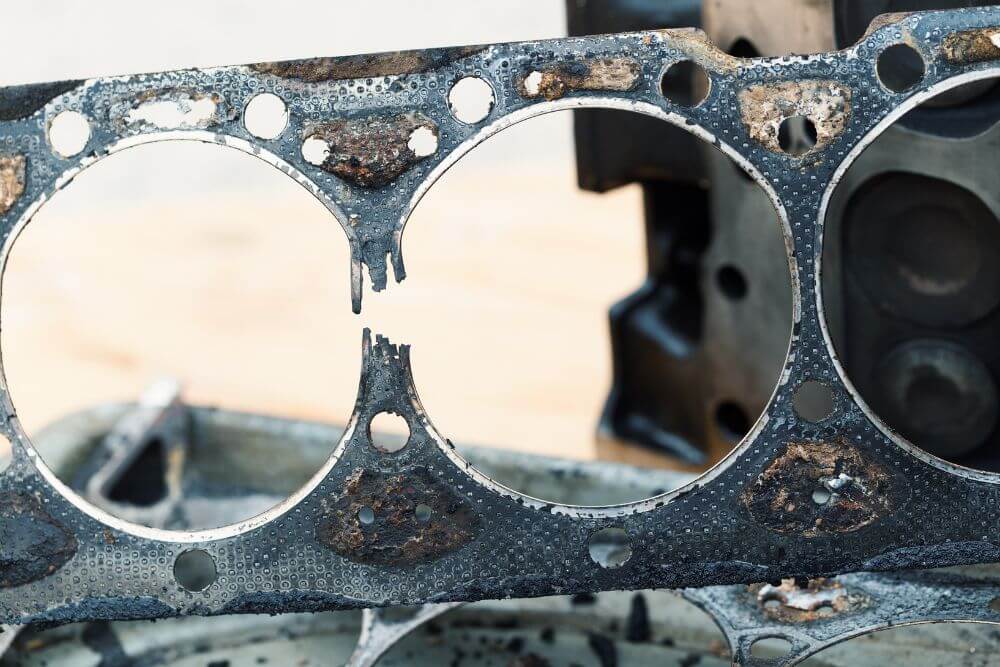
A blown head gasket is a serious issue that can lead to coolant entering the combustion chamber, causing white smoke.
If you suspect this is the problem, it’s crucial to repair or replace the head gasket immediately. Ignoring a blown head gasket can result in further engine damage, as coolant can affect the engine’s performance and cause overheating.
This is not a repair you should attempt to do yourself unless you’re experienced, as it can be a complex and costly fix.
4. Use Additives for Cold Weather
In colder climates, white smoke can occur when the diesel fuel doesn’t combust properly due to low temperatures. If this is the cause, using winter-grade diesel fuel or additives can help improve combustion.
Additionally, it’s essential to allow your engine to warm up properly before driving, especially during the winter months. This will help reduce the amount of white smoke produced and prevent unnecessary strain on the engine.
5. Check the Air Intake System
A clogged or damaged air intake system can also contribute to white smoke. If the air filter is dirty or the system is obstructed, the engine may not receive enough air for proper combustion, leading to poor fuel efficiency and excessive smoke.
Regularly check the air filter and ensure that the air intake system is free of debris. If the system is damaged, repair it to restore proper airflow to the engine.
Whenever you face some issues with your diesel vehicle, we at URBS Garage can help you out. We offer diesel repair or diesel engine repair to be more specific in Finneytown and many other locations in the country.
Frequently Asked Questions
1. Why is my diesel engine blowing white smoke when I accelerate?
White smoke when accelerating is typically caused by incomplete combustion. This can be due to faulty fuel injectors, worn piston rings, or a blown head gasket.
2. Can cold weather cause white smoke from a diesel engine?
Yes, in cold weather, diesel engines may produce white smoke as the fuel doesn’t burn efficiently until the engine warms up. This should stop once the engine reaches operating temperature.
3. How do I fix white smoke from my diesel engine?
Fixing white smoke involves addressing the root cause. Common solutions include cleaning or replacing fuel injectors, fixing piston rings, repairing a blown head gasket, or ensuring proper air intake.
Conclusion
White smoke from a diesel engine when accelerating is a sign that something is not functioning properly within the engine.
Whether it’s a fuel system issue, worn piston rings, or a blown head gasket, addressing the problem early is key to preventing further damage and maintaining optimal engine performance.
By staying on top of regular maintenance and monitoring your engine for signs of trouble, you can avoid expensive repairs and ensure that your diesel engine runs smoothly.
If white smoke persists, it’s always a good idea to seek professional assistance to get to the bottom of the issue.
