Hearing a squeaking noise every time you hit the brakes can be frustrating and concerning. This sound can indicate a range of issues, from minor to more serious problems that need immediate attention, often leading drivers to search for a mobile brake repair service for quick assistance.
Understanding why your car’s brakes squeak is essential for maintaining your vehicle’s performance and safety. In this article, we will explore common causes of squeaky brakes, how to diagnose the problem, and solutions to keep your brakes silent.
Why Does My Car Squeak When I Brake?
If your car squeaks when you brake, it could be due to moisture or light rust buildup. The noise usually goes away after you ride the car for a few minutes.
Key Takeaways
- Common reasons for squeaky brakes include worn pads, glazed rotors, and moisture.
- Overheating, brake pad material, and loose hardware can also cause noise.
- Regular maintenance helps prevent squeaky brakes.
-
Professional brake inspections can address persistent issues and help you avoid searching for cheap brake repair near me later.
How Brakes Work

Your car’s braking system relies on several components working together: brake pads, rotors, and calipers.
When you press the brake pedal, the pads are pushed against the rotors to slow down the car. Ideally, this process should be smooth and quiet.
However, any disruptions in the system can lead to noises like squeaking or squealing. Let’s take a closer look at why this happens.
For those who don’t, they can read how many brake rotors does a car have.
Common Reasons for Squeaky Brakes
1. Worn Brake Pads
Explanation:
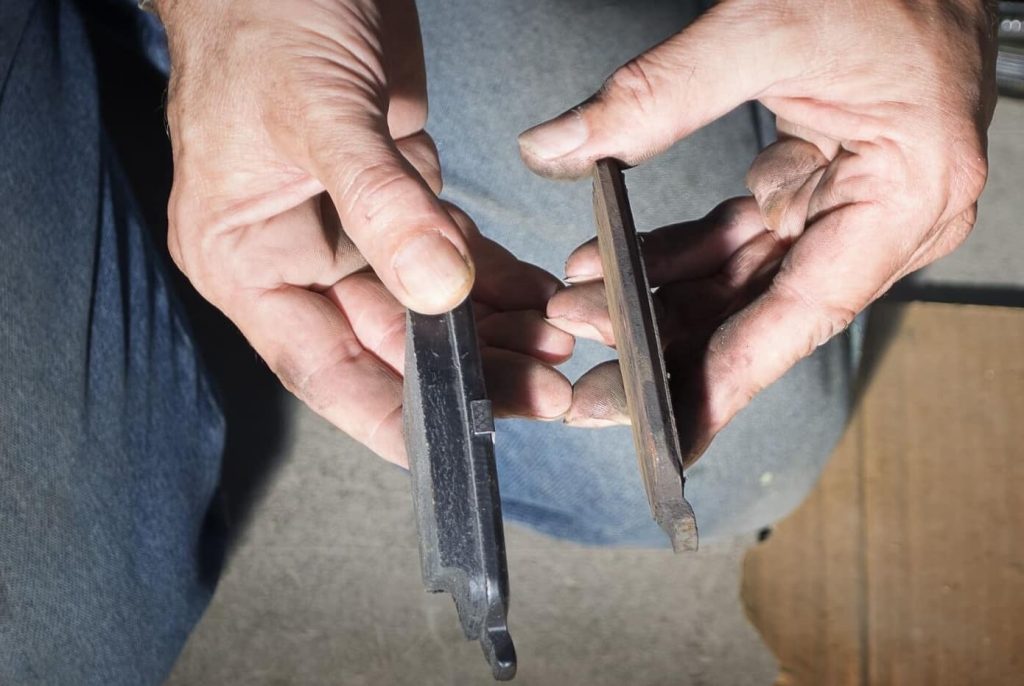
Brake pads naturally wear out over time, and most modern pads have a wear indicator that makes a squealing sound to alert you when they need replacing.
This sound is intentional and serves as a reminder to check your brakes.
Solution:
Replace worn brake pads to prevent further damage. Be sure to use a quality brake pad during replacement to ensure durability and reliable performance.
2. Glazed Brake Pads or Rotors
What It Is:
Glazing occurs when brake pads and rotors get too hot due to excessive or hard braking.
Overheating can cause a smooth, hard surface to form, leading to reduced friction and squeaking.
Cause:
Riding the brakes or frequent hard braking, such as during city driving or downhill driving.
Solution:
If glazing is detected, resurfacing or replacing the pads and rotors may be necessary. Regular brake inspections can help identify these issues early.
3. Moisture and Rust
Why It Happens:
Moisture, especially after rain or on humid days, can cause a thin layer of rust to form on the rotors.
This can lead to squeaking when you first apply the brakes. Usually, this rust wears off after a few stops.
Solution:
If the squeaking persists, consider having your brakes checked for rust buildup.
A thorough cleaning or replacement might be required to restore smooth operation.
4. Brake Pad Material
Different Types:
Brake pads are made from different materials, such as organic, ceramic, and metallic compounds.
Some of these materials are noisier than others, with metallic pads known to be particularly loud.
Solution:
Opt for quieter brake pad materials like ceramics if noise is a concern.
Discussing your options with a technician can help you find the best solution for your driving needs.
5. Loose or Worn Brake Hardware
What It Means:
Loose components, such as caliper bolts or brake pad shims, can cause vibrations that lead to squeaking sounds.
Worn or missing shims can also contribute to the problem.
Solution:
Regular maintenance can help ensure that all parts of the braking system are properly tightened and in good condition.
Professional services can check and replace any faulty or loose hardware.
While you’re getting that brake hardware checked, don’t skip out on system-wide upkeep. Many spots offering HVAC maintenance in Erlanger KY also handle multi-point inspections, so you can keep both your brakes and cabin climate in check with one visit.
Diagnosing Squeaky Brakes
To determine why your brakes are squeaking, start with a basic inspection. Listen for when and where the squeaking occurs: is it only when you start driving, or does it persist throughout your trip?
Check the brake pads, rotors, and any visible hardware for signs of wear. If the issue isn’t obvious, schedule a professional inspection to get to the root of the problem.
Solutions for Squeaky Brakes
1. Replacing Brake Pads
When Needed:
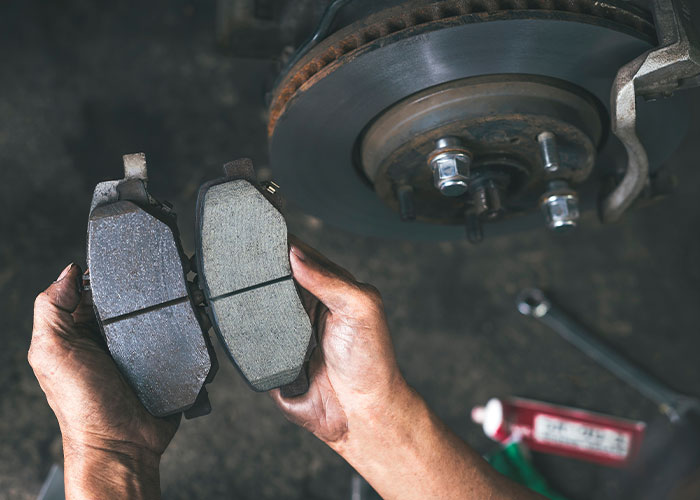
Worn or glazed brake pads are a common cause of squeaking. Replacing them can restore proper braking and eliminate the noise.
Make sure to use high-quality pads that match your car’s specifications.
2. Resurfacing or Replacing Rotors
Why It Helps:
If the rotors are smooth or glazed, they might need to be resurfaced to restore friction.
In cases of severe wear, replacing the rotors can solve persistent squeaking issues and improve braking efficiency.
3. Regular Maintenance
Importance:
Regularly inspecting your brake system helps prevent wear-related issues from escalating.
Make it a habit to have your brakes checked during routine services to catch problems early.
Preventive Measures to Avoid Squeaky Brakes
Regular Check-ups:
Consistently checking your brake system ensures that all components are in good working order.
Addressing minor issues before they worsen can save you money and prevent unexpected repairs.
Avoid Hard Braking:
Try to avoid frequent hard braking, as it can lead to overheating and glazing of brake pads and rotors.
Choose the Right Brake Pads:
Different driving conditions call for different types of brake pads.
Choosing the right material can reduce the chances of squeaking and enhance overall braking performance.
Frequently Asked Questions:
1. Why do my brakes squeak only when I first start driving?
Moisture and light rust can cause squeaking when you first start driving. The noise usually stops after a few uses.
2. Can worn brake pads cause squeaking?
Yes, worn brake pads often have wear indicators that squeak to alert you when they need replacement.
3. How do I stop my car brakes from squeaking?
Replace worn parts, clean rust, and ensure proper installation of pads and hardware. Regular maintenance can also prevent squeaking.
Conclusion
Squeaky brakes can be more than just an annoyance; they may indicate a deeper issue within your braking system. Whether it’s worn pads, glazed rotors, or loose hardware, identifying the cause of the noise is crucial for maintaining your vehicle’s safety.
Regular maintenance and inspections can help keep your brakes functioning quietly and efficiently. For expert diagnostics, consider URBS Garage’s service of Brake Repair in Burlington, KY where experienced technicians can help resolve any issues.
