
Having your car turn off when you brake can be alarming and dangerous. This issue indicates a problem that can stem from several different components, and it’s important to diagnose and fix it promptly.
Whether it’s a minor malfunction or a serious system issue, understanding the potential causes will help you address the problem efficiently. This article explores why cars may stall when braking, how to diagnose the issue, and what steps can be taken to fix it.
Why Does My Car Turn Off When I Brake?
Common reasons why your car might turn off when you brake could be related to a faulty idle air control valve, vacuum leaks, or a failing brake booster. Diagnosing these issues promptly prevents further engine damage and avoids the need for extensive brake service and repair later.
Key Takeaways
- Cars stalling when braking can be caused by faulty IAC valves, vacuum leaks, or brake booster issues.
- Transmission and fuel system problems might also lead to engine shutdown when slowing down.
- Diagnosing these issues early prevents safety hazards and costly repairs.
- Regular maintenance and professional diagnostics ensure safe driving.
How a Car’s Engine and Braking System Work Together
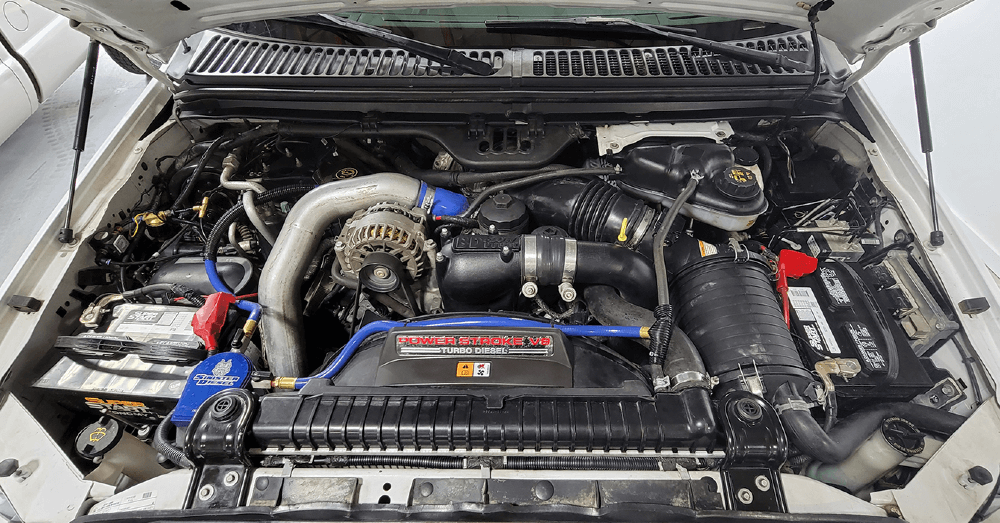
When you brake, your car’s engine management system must adjust to the lower speed, maintaining a steady idle. Typically, the idle air control (IAC) valve manages the engine’s idle speed, adjusting the airflow when the car decelerates.
However, if there’s a problem within the engine or braking system, this process can be disrupted, leading to stalling.
Common Reasons Why a Car Turns Off When Braking
1. Faulty Idle Air Control Valve (IAC)
- Cause: The IAC controls the engine’s idle speed by regulating airflow. If it’s faulty or clogged, it may not adjust correctly when you brake, causing the car to stall.
- Symptoms: Stalling when slowing down or at a stop, erratic idle, and difficulty maintaining a steady engine speed.
- Solution: Cleaning or replacing the IAC valve can often resolve this issue. Regular maintenance at a service center.
2. Vacuum Leaks
- Cause: The braking system relies on vacuum pressure, and any leaks can disrupt engine performance. Leaks in the vacuum lines, intake manifold, or brake booster can lead to insufficient airflow, causing the engine to stall.
- Symptoms: Hissing sounds from the engine, poor acceleration, and rough idling.
- Solution: Identifying and repairing vacuum leaks promptly is crucial.
3. Problems with the Brake Booster
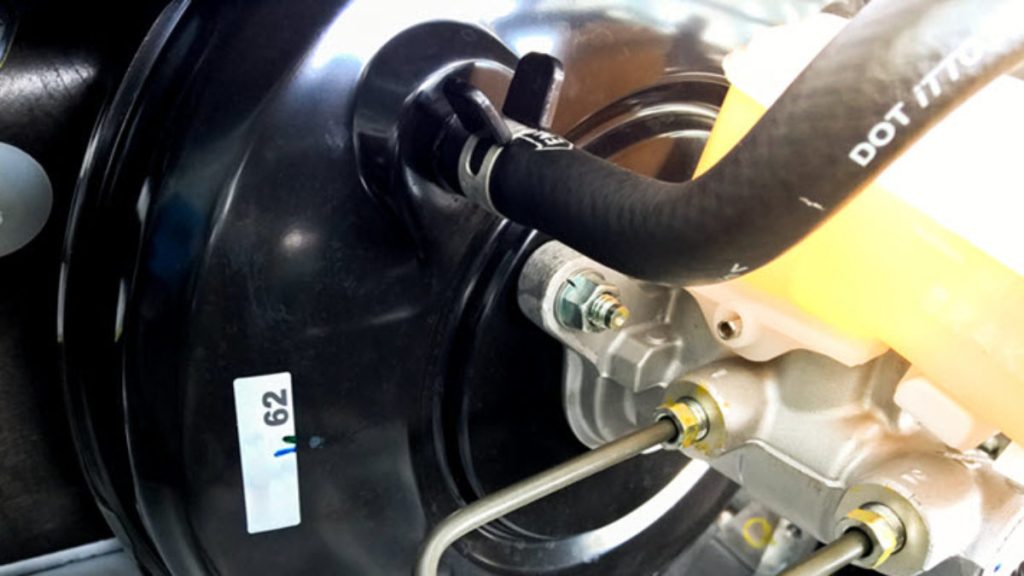
- Cause: The brake booster uses engine vacuum to assist braking. If it fails, it can draw too much vacuum from the engine, leading to stalling when brakes are applied.
- Symptoms: Hard brake pedal, engine stalling when the brake is pressed, and a hissing noise during braking.
- Solution: Repair or replace the brake booster. Professional brake mechanics in Burlington KY, can inspect related components such as vacuum lines or even issues tied to a compression fitting brake line, ensuring safe and effective braking.
4. Dirty or Faulty Mass Air Flow (MAF) Sensor
- Cause: The MAF sensor measures the amount of air entering the engine to ensure the correct air-fuel ratio. If it’s dirty or malfunctioning, it may send incorrect data, causing the engine to stall.
- Symptoms: Rough idling, poor fuel economy, and stalling when slowing down.
- Solution: Regular cleaning or replacement of the MAF sensor can prevent this issue.
5. Issues with the Fuel System
- Cause: A clogged fuel filter or a weak fuel pump can cause insufficient fuel delivery to the engine, leading to stalling when the car is slowing down or idling.
- Symptoms: Difficulty starting, poor acceleration, and stalling.
- Solution: Regular fuel system maintenance, including changing the fuel filter and inspecting the pump, can prevent these issues.
6. Faulty Torque Converter or Transmission Issues
- Cause: In automatic transmissions, the torque converter enables the engine to continue running while the car is stationary. A faulty torque converter may cause the car to stall when braking.
- Symptoms: Shuddering during gear shifts, poor acceleration, and stalling when stopping.
- Solution: Transmission repairs can resolve this issue. Seeking help from professionals who specialize in transmission systems is recommended.
Sometimes what feels like a transmission hiccup could be tied to a bigger systems issue—like how your HVAC interacts with engine load. If you’re noticing odd stalling or power dips, getting HVAC repair in Erlanger KY might uncover hidden causes that are throwing your whole system off.
7. Battery or Electrical Problems

- Cause: Weak batteries, faulty alternators, or wiring problems can cause the engine to lose power when braking, resulting in stalling.
- Symptoms: Dim headlights, trouble starting the car, and dashboard warning lights.
- Solution: Regular battery and electrical system checks help prevent such issues.
8. Engine Control Unit (ECU) Problems
- Cause: The ECU manages the engine’s performance, including idle speed and fuel injectors. Faulty or malfunctioning ECUs can cause erratic engine behavior, including stalling.
- Symptoms: Check engine light, stalling, and irregular idle speeds.
- Solution: Resetting or reprogramming the ECU might fix the issue. If problems persist, the ECU may need to be replaced.
Diagnosing the Problem
To diagnose why your car stalls when braking, start by checking for common symptoms like hissing sounds, dashboard warning lights, and changes in idle speed.
For more complex issues, consider a professional diagnostic service nearby in Burlington, KY. Many shops offering brake service Burlington KY can also help identify deeper engine or vacuum issues linked to braking.
They can conduct thorough inspections and use diagnostic tools to identify and fix the root cause effectively.
Effective Solutions and Repairs
1. Cleaning or Replacing the Idle Air Control Valve
Regularly maintaining the IAC valve ensures smooth engine idling.
Professional cleaning can help if it’s dirty, but if the valve is faulty, replacement is necessary.
2. Fixing Vacuum Leaks
Vacuum leaks can lead to major engine performance issues. Ensuring vacuum hoses and connections are intact helps maintain proper engine function.
3. Repairing or Replacing the Brake Booster
A functional brake booster is essential for safe braking. Repairing or replacing it can resolve stalling issues caused by vacuum loss.
4. Regular Fuel System Maintenance
Cleaning the MAF sensor, replacing the fuel filter, and inspecting the fuel pump are essential steps in maintaining smooth engine operation.
5. Electrical System Checks
Routine checks of the battery, alternator, and wiring will help identify any potential issues that may lead to stalling.
Preventive Maintenance Tips
- Regular Servicing: Keep up with your car’s maintenance schedule to avoid unexpected problems.
- Inspect Key Components: Regularly check and replace parts like air filters, fuel filters, and spark plugs.
- Seek Professional Help: For persistent issues, visit a trusted auto repair shop that offers comprehensive diagnostic and repair services.
Risks of Ignoring Stalling Issues When Braking
Ignoring issues that cause your car to stall when braking can lead to unsafe driving conditions, especially if the engine stalls suddenly in traffic.
This problem can also cause further damage to your engine, increasing repair costs. Addressing stalling issues promptly ensures both your safety and your vehicle’s longevity.
Frequently Asked Questions:
1. Why does my car stall when I brake?
A faulty idle air control valve, vacuum leaks, or brake booster issues can cause your car to stall when braking.
2. Can transmission problems cause my car to shut off when braking?
Yes, a faulty torque converter or transmission issue can lead to stalling when you slow down or stop.
3. How can I fix my car stalling when I brake?
Diagnose the issue by inspecting the IAC valve, vacuum lines, and brake booster. For persistent problems, consult a professional mechanic.
Conclusion
If your car shuts off when you brake, there are several possible causes, ranging from faulty IAC valves to transmission problems. Diagnosing and fixing these issues as soon as possible will prevent more serious problems and ensure your vehicle operates safely.
